
- 1- Why Exercise is Crucial for Senior Pets
- 2- Health Benefits of Exercise for Older Pets
- 3- Top Activities for Senior Pets
- 4- Tips to Keep Your Senior Pet Active
- 5- When to Consult Your Vet About Exercise
1- Why Exercise is Crucial for Senior Pets
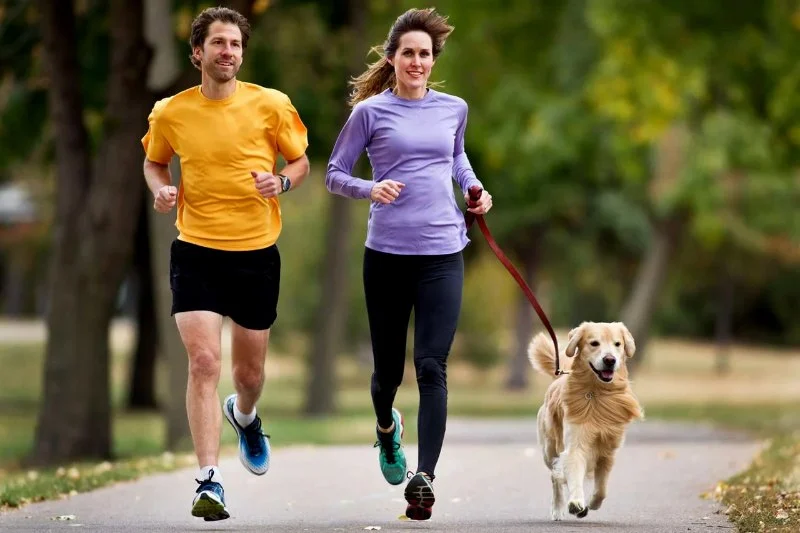
As pets age, their activity levels often decline, leading to a variety of health problems. Just like humans, pets need regular physical activity to maintain their health, prevent obesity, and keep their muscles and joints strong. Regular exercise helps senior pets stay mentally stimulated, prevents weight gain, and improves their overall well-being.
In the UK, where many pets live longer due to advanced veterinary care, it's essential for pet owners to consider their senior pet's exercise needs to ensure they maintain a high quality of life in their later years.

Pawsome Paws Boutique Ltd
Unit 18, Pavilion Business Park, Royds Hall Rd, Lower Wortley, Leeds LS12 6AJ, UK
2- Health Benefits of Exercise for Older Pets
Exercise offers numerous health benefits for senior dogs and cats, which include:
- Weight Management: Regular activity helps prevent obesity, which can lead to joint problems, diabetes, and heart disease in senior pets.
- Joint Health: Exercise, particularly low-impact activities like walking, can help keep joints flexible and reduce arthritis symptoms.
- Mental Stimulation: Physical activity is a great way to keep your pet’s mind sharp, reducing the risk of cognitive decline or dementia in older pets.
- Increased Longevity: Active pets often live longer, healthier lives as exercise helps to improve heart health and overall vitality.
3- Top Activities for Senior Pets
Choosing the right activities for your senior pet is essential. As pets get older, they may not be able to handle intense exercise routines, but that doesn't mean they can't enjoy gentle activities that promote health and happiness. Some great activities for senior pets include:
- Gentle Walks: Regular, short walks are perfect for senior dogs. Walks can help maintain joint flexibility and promote cardiovascular health.
- Swimming: For pets with joint issues, swimming is an excellent low-impact exercise that offers a full-body workout without straining the joints.
- Interactive Toys: For senior cats, toys that engage their mind and encourage movement (like laser pointers or feather wands) can help maintain physical activity without overwhelming them.
- Short Training Sessions: Senior pets can benefit from training exercises that provide mental stimulation. Simple tricks or commands keep their brain active and improve their coordination.
4- Tips to Keep Your Senior Pet Active
Here are some practical tips to help you keep your senior pet active and healthy:
- Start Slowly: If your senior pet hasn’t been very active, start with short, gentle activities and gradually increase the intensity as their stamina improves.
- Choose Appropriate Surfaces: When walking or playing, make sure the surface is not too hard or slippery, as this can cause joint strain or falls.
- Monitor Their Health: Keep an eye on your pet's health and behavior during and after exercise. If they seem tired, have difficulty breathing, or show signs of pain, stop the activity and consult your vet.
- Use Pet-Friendly Gear: Consider using harnesses, padded collars, and orthopedic beds to make movement more comfortable for your senior pet.
5- When to Consult Your Vet About Exercise
While exercise is crucial for senior pets, it's important to consult your vet if you're unsure about the type of exercise your pet should do or if they experience any discomfort. Some signs that you should consult a vet include:
- Difficulty walking or moving after exercise
- Visible signs of pain or stiffness, such as limping or reluctance to move
- Excessive panting, coughing, or trouble breathing during or after exercise
- Behavioral changes, such as increased aggression or confusion, which may indicate cognitive decline
Your vet can provide tailored recommendations based on your pet's age, breed, and health status to ensure that their exercise routine supports their well-being without causing harm.
Keeping your senior pet active is a great way to improve their quality of life. If you're looking for the best pet care products to support your senior pet's health, visit RegPets for expert advice and high-quality products to keep your furry companion active and happy.




 Vets for Pets - Grantham4.0 (410 reviews)
 Medivet Wath - Arncliffe Veterinary Centre4.0 (524 reviews)
 Longcourse Cattery4.0 (100 reviews)
 Dixon and Young Veterinary Surgery4.0 (356 reviews)
 Pawsome Vets5.0 (285 reviews)
 Jollyes - The Pet People Belfast4.0 (214 reviews)
 Essential Tips for Caring for Senior Pets
 Recognizing Symptoms of Allergies in Dogs and Cats: A Guide for UK Pet Owners
 Recognizing Symptoms of Allergies in Dogs and Cats in the UK
 How Often Should You Take Your Pet for a Health Checkup? | UK Pet Care Guide
 Expert Vet Advice on Weight Management for Senior Pets
 Best Practices for Mental Health in Rabbits: Ensuring Your Pet's Well-being