
- why-regular-checkups-matter
- recommended-checkup-frequency
- age-breed-and-lifestyle-considerations
- what-happens-during-a-checkup
- real-life-example-from-uk-owners
- how-regpets-can-help
1. Why Regular Checkups Matter
Regular health checkups for your pet are not just a box-ticking exercise. They are your first line of defence in spotting early signs of illness, nutritional imbalances, dental problems, or behavioural changes. Many UK pet owners overlook routine visits until something feels obviously wrong, but prevention is not only more affordable—it’s more humane.
Veterinarians often say, "If pets could talk, you’d be surprised what they’d tell us." But since they can’t, regular checkups are the next best thing to understanding what’s going on beneath the surface.

2. Recommended Checkup Frequency
2.1 For Puppies and Kittens
Young pets in the UK should visit the vet every 3–4 weeks until they’re about 16 weeks old. These early visits cover essential vaccinations, deworming, and behavioural assessments.

2.2 For Healthy Adult Dogs and Cats
For adult pets aged 1–7 years, one wellness exam per year is typically enough. These annual checkups often include a physical exam, vaccinations, parasite control updates, and sometimes blood work.
2.3 For Senior Pets (7+ years)
Older pets require more frequent monitoring. Most UK vets recommend checkups every six months for dogs and cats over the age of 7. Senior pets are more prone to conditions like arthritis, diabetes, or kidney disease, which are better managed when detected early.
3. Age, Breed, and Lifestyle Considerations
The ideal checkup schedule may vary based on breed predispositions or lifestyle. For example, a British Shorthair cat may need fewer orthopaedic evaluations than a Border Collie who’s active outdoors year-round. Pets with specific breed-related conditions or high-risk lifestyles (like raw diets, roaming outdoors, or agility training) benefit from tailored vet schedules.
Ask your vet: “Based on my pet’s breed and habits, is the standard annual checkup enough?” This opens the door to personalised veterinary care, which is especially useful for mixed-breed pets or rescues with limited medical history.
4. What Happens During a Checkup
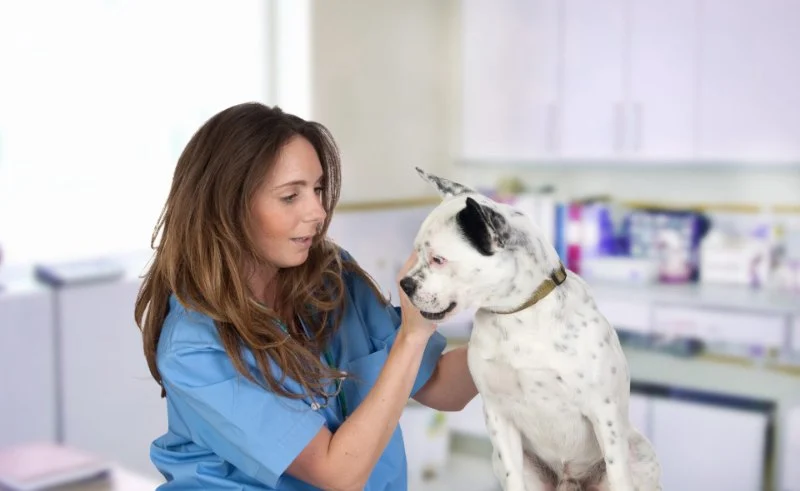
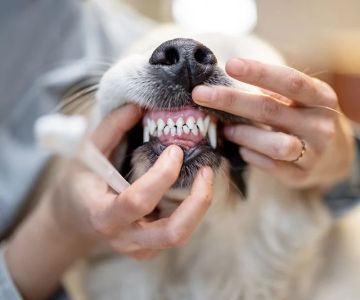
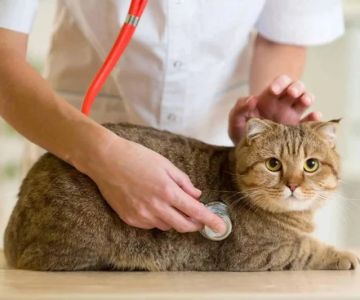
A typical health checkup includes a head-to-tail physical examination, listening to the heart and lungs, checking eyes and ears, weight and dental assessments, and reviewing diet and behaviour. Blood or urine tests may be recommended depending on your pet’s age or symptoms.
One of our users, Sarah from Manchester, was shocked when her seemingly healthy Labrador was diagnosed with early-stage kidney issues—detected only during routine bloodwork. Because she caught it early, simple dietary changes from her vet significantly extended her dog’s quality of life.
5. Real Life Example from UK Owners
Tom, a cat owner from Bristol, shared that his tabby Luna hadn’t shown any signs of illness. Yet during an annual visit, the vet noticed subtle gum inflammation. A quick dental cleaning prevented what could’ve become a costly and painful infection. “It’s now just part of my yearly schedule,” Tom said, “like MOT for pets.”
6. How RegPets Can Help
Finding the right veterinary clinic, parasite control products, or senior pet care essentials can feel overwhelming. That’s where RegPets comes in. Whether you’re booking a first vet appointment or looking for supplements tailored to your pet’s needs, RegPets offers curated solutions based on trusted UK pet owner reviews and clinical standards.
Remember: prioritising your pet’s health doesn’t have to be reactive. Make it part of your routine. Like brushing your teeth or servicing your car, health checkups save lives—quietly and consistently.




 Yorkshire Equine Dentistry - Sam Norris BAEDT Qualified5.0 (5 reviews)
 Battle Flatts Veterinary Clinic - Stamford Bridge4.0 (216 reviews)
 Bishopton Veterinary Group Northallerton5.0 (147 reviews)
 The Pet Vet4.0 (750 reviews)
 Paw Prints Pet Supplies4.0 (12 reviews)
 Yorkshire Vets - Birkenshaw4.0 (83 reviews)
 How to Manage Your Pet’s Weight and Prevent Obesity: A Complete Guide
 Complete Guide to Preventive Care for Cats: Ensuring a Healthy Life for Your Feline Friend
 How to Spot Signs of Arthritis in Older Pets – UK Pet Owner’s Guide
 Complete Guide to First Aid Tips for Dogs
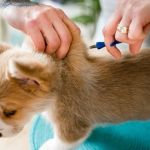 The Importance of Microchipping Your Pet in the UK: What Every Owner Must Know
 Tips for Keeping Your Pet Hydrated and Healthy