
UK Pet Owner's Guide to Spaying and Neutering for Kittens
- Introduction to Spaying and Neutering Kittens
- Benefits of Spaying and Neutering
- Best Time to Spay or Neuter Your Kitten
- What to Expect During the Procedure
- Post-Procedure Care for Your Kitten
- Common Myths About Spaying and Neutering
- Legal Requirements for Pet Sterilisation in the UK
- Conclusion: Responsible Pet Ownership
Introduction to Spaying and Neutering Kittens
As a responsible pet owner, ensuring the health and wellbeing of your kitten should be a top priority. One essential aspect of kitten care is spaying (female) or neutering (male). These procedures, which involve the removal of the reproductive organs, play a crucial role in controlling the pet population and improving the health and behaviour of your kitten. In this guide, we will walk you through everything UK pet owners need to know about spaying and neutering kittens.
Benefits of Spaying and Neutering
Spaying and neutering offer a range of benefits, both for your kitten and the broader community. Here are the key advantages:
1. Health Benefits
Spaying and neutering can help prevent certain health problems in kittens, such as uterine infections and testicular cancer. Neutering male cats also reduces the risk of prostate problems, while spaying female cats lowers the risk of mammary cancer if done early in life.
2. Behavioural Improvements
Spaying and neutering can also lead to positive changes in your kitten's behaviour. Neutered cats are less likely to roam, mark territory, or engage in aggressive behaviour. Female kittens in heat often become restless and vocal, but spaying eliminates these symptoms.
3. Preventing Overpopulation
One of the most important reasons to spay and neuter is to help reduce the overpopulation of cats. By ensuring your kitten is sterilised, you are preventing the birth of unwanted litters that contribute to the strain on shelters and rescue organisations.
Best Time to Spay or Neuter Your Kitten
The best time to spay or neuter your kitten is typically between 4 to 6 months of age. At this age, kittens are generally old enough for the procedure to be safe, and they are also less likely to exhibit undesirable behaviours such as marking territory or mating. However, your vet can provide personalised advice based on your kitten’s breed, health, and development.
What to Expect During the Procedure
Spaying and neutering are common and relatively simple surgeries. Here’s what you can expect:
1. Pre-Procedure Preparation
Your vet will usually recommend that your kitten fasts for a few hours before the procedure. This ensures their stomach is empty during the surgery, reducing the risk of complications.
2. The Surgery Itself
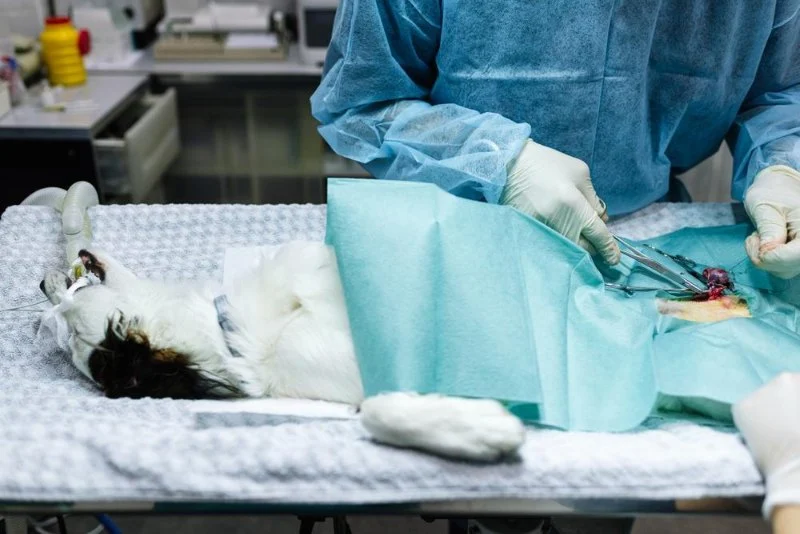
Both procedures are performed under general anaesthesia, ensuring that your kitten remains asleep and pain-free throughout the surgery. The procedure typically takes around 30 minutes to an hour, depending on the kitten's sex and age. For females, the ovaries and uterus are removed, while for males, the testicles are removed.
3. Recovery Time
After the surgery, your kitten will be monitored as they wake up from anaesthesia. Most kittens recover quickly, but they will need to rest for a few days. It's important to follow your vet’s instructions regarding post-surgery care to ensure a smooth recovery.
Post-Procedure Care for Your Kitten
Proper aftercare is essential to help your kitten heal from the procedure. Here's what you can do:
1. Monitor for Complications
While most kittens recover without complications, it’s important to monitor your kitten for signs of infection or unusual behaviour. If your kitten is lethargic, has a fever, or seems to be in pain, contact your vet immediately.
2. Limit Physical Activity
After the surgery, it’s important to limit your kitten’s activity. Avoid letting them run, jump, or play too roughly for at least a week to ensure the incision heals properly.
3. Keep the Incision Clean
Keep the surgical site clean and dry. Your vet may recommend an Elizabethan collar (cone) to prevent your kitten from licking the incision. Make sure to follow your vet's aftercare instructions to avoid any complications.
Common Myths About Spaying and Neutering
There are several myths surrounding spaying and neutering that can cause confusion among pet owners. Let’s debunk some common misconceptions:
1. Spaying and Neutering Makes My Kitten Fat
Many people believe that spaying or neutering causes weight gain, but this is not true. If your kitten gains weight after the procedure, it’s typically due to overfeeding or a lack of exercise, not the surgery itself.
2. My Kitten Needs to Experience "Mating" Before Spaying
There is no medical benefit to letting your kitten mate before spaying or neutering. In fact, the earlier the procedure, the better it is for your kitten's health and behaviour.
Legal Requirements for Pet Sterilisation in the UK
In the UK, there are no mandatory laws requiring spaying or neutering, but it is strongly recommended by veterinarians and animal welfare organisations. Some local councils may offer incentives for sterilising pets, and it’s common for breeders and shelters to require sterilisation of kittens before adoption.
Conclusion: Responsible Pet Ownership
Spaying and neutering your kitten is a key part of responsible pet ownership. By having your kitten sterilised, you are not only helping to ensure their health and well-being but also doing your part to reduce the number of unwanted cats in shelters. Remember, always consult with your vet to make the best decision for your kitten, and provide them with the care they need to recover smoothly from the procedure.
If you’re looking for expert advice on pet care or need to find the best products for your kitten, check out 【RegPets】 for the best selection of pet services and products!



 Planted Terraria Exotics4.0 (120 reviews)
 Pets at Home Hartlepool4.0 (975 reviews)
 West Lakeland Veterinary Group4.0 (174 reviews)
 Well Dog Hydrotherapy5.0 (48 reviews)
 TINGLEY TROPICALS4.0 (112 reviews)
 Jollyes - The Pet People Halifax4.0 (561 reviews)
 Complete Guide to Puppy and Kitten Care for Birds – Essential Tips for Pet Owners
 Best Practices for Mental Health in Exotic Pets
 Top 10 Signs Your Pet Needs to See a Vet Immediately
 Nutrition Tips for Birds: What UK Pet Owners Need to Know
 UK Pet Owner’s Guide to Mental Health for Dogs
 The Ultimate Guide to Vaccinations for Dogs and Cats in the UK