
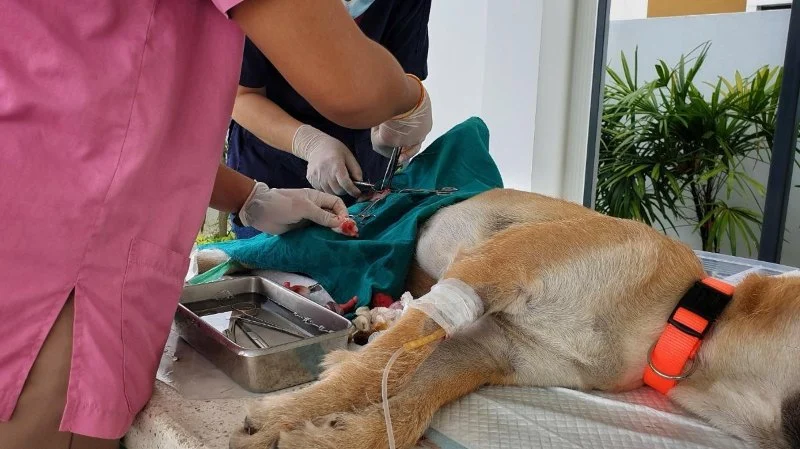
- 1. Introduction to Spaying and Neutering Senior Pets
- 2. Why Spaying and Neutering Matters for Senior Pets
- 3. The Procedure: What to Expect When Spaying or Neutering a Senior Pet
- 4. Risks and Considerations for Older Pets
- 5. Real-Life Case: Spaying a Senior Cat
- 6. Aftercare for Senior Pets Following the Procedure
- 7. Final Thoughts: Ensuring a Healthy Life for Your Senior Pet
1. Introduction to Spaying and Neutering Senior Pets
As our pets age, their healthcare needs change, and many pet owners wonder if spaying or neutering their senior pet is still a good idea. While it’s commonly associated with younger animals, spaying and neutering senior pets can also offer several health benefits. However, it’s essential to make this decision with the guidance of a veterinarian, as there are particular considerations for older pets. This article explores everything you need to know about spaying and neutering senior pets, including benefits, procedures, and aftercare tips.

2. Why Spaying and Neutering Matters for Senior Pets
Spaying and neutering are not only about preventing unwanted pregnancies; they also provide health benefits for senior pets. These procedures can help reduce the risk of certain cancers, eliminate the risk of uterine infections (in females), and even improve behavior in some cases. Below are some key benefits of spaying and neutering senior pets:
- Health Benefits: Spaying and neutering can help prevent conditions like uterine infections (pyometra) in female pets and prostate problems in male pets.
- Improved Behavior: Neutering can reduce behaviors like aggression, roaming, and marking in male pets, while spaying can decrease territorial or aggressive behavior in females.
- Longer Lifespan: Research suggests that spayed and neutered pets often live longer, healthier lives due to reduced risks of certain health problems.
3. The Procedure: What to Expect When Spaying or Neutering a Senior Pet
The procedure for spaying or neutering a senior pet is similar to that for younger pets, but there are additional factors to consider when the animal is older:
- Pre-Surgery Evaluation: A veterinarian will perform a thorough physical examination and possibly some tests to ensure that your pet is healthy enough for the procedure. Bloodwork and other diagnostics may be recommended to assess the liver and kidney function, especially in older pets.
- Under Anesthesia: Both spaying and neutering involve general anesthesia. The vet will monitor your pet closely during the procedure to ensure they are stable and comfortable.
- Incision and Surgery: For females, the ovaries and uterus are removed, while males will have their testes removed. The incision sites are typically small, and the procedure can take 30-60 minutes.
4. Risks and Considerations for Older Pets
While spaying and neutering can be beneficial for senior pets, there are some risks and considerations to keep in mind:
- Anesthesia Risks: Older pets may be more sensitive to anesthesia, so it's important to ensure that the procedure is done in a veterinary setting with proper monitoring and support.
- Pre-existing Health Conditions: If your senior pet has health issues like heart disease or diabetes, these conditions must be considered before surgery. Your vet may recommend additional pre-surgical tests to ensure your pet's safety.
- Longer Recovery Time: Senior pets may require more time to recover from the procedure compared to younger pets. It’s important to follow your vet’s instructions for aftercare to ensure a smooth recovery.
5. Real-Life Case: Spaying a Senior Cat
One pet owner shared their experience with us: “I was initially hesitant to have my 10-year-old cat, Bella, spayed, as I had heard that older pets sometimes face more complications. However, after a consultation with my vet, I decided to go ahead. Bella recovered quickly and is now much more relaxed and comfortable. The procedure was a success, and I’m so glad I made the decision to improve her health in the long run.” This real-life example illustrates that with proper vet care, spaying or neutering a senior pet can be safe and beneficial.

The Charlesworth Veterinary Surgery
South NormantonDerbyshireEngland
11 Market Pl, South Normanton, Alfreton DE55 2BN, UK
6. Aftercare for Senior Pets Following the Procedure
After your senior pet undergoes spaying or neutering, proper aftercare is crucial for a smooth recovery. Here are some tips to ensure your pet heals well:
- Rest and Recovery: Provide a quiet, comfortable space for your pet to rest and recuperate. Limit physical activity for several days to allow the incision site to heal.
- Monitor the Incision Site: Keep an eye on the surgical site for signs of infection, such as redness, swelling, or discharge. Contact your vet if you notice anything unusual.
- Follow-up Vet Visits: Schedule a follow-up appointment with your vet to ensure that your pet is healing properly. The vet may want to remove stitches or check the incision site.
7. Final Thoughts: Ensuring a Healthy Life for Your Senior Pet
Spaying and neutering your senior pet can have a positive impact on their health and behavior. While the procedure requires careful consideration, it is generally safe when performed by a qualified veterinarian. If you’re considering spaying or neutering your older pet, consult with your vet to determine the best course of action for your pet’s unique needs. For more information and to find products that can help with your pet's health care, visit RegPets for the best pet care solutions available in the UK.


 Premier Pet Care4.0 (20 reviews)
 Maidenhead Aquatics Wenvoe4.0 (193 reviews)
 Dog Envy4.0 (40 reviews)
 Intake Veterinary Services4.0 (19 reviews)
 Designer Reptiles LTD5.0 (36 reviews)
 Garden Feathers4.0 (305 reviews)
 Top 10 Puppy and Kitten Care Tips Every Bird Owner in the UK Should Know
 Emergency Vet Advice Tips for Rabbits: What UK Pet Owners Need to Know
 Complete Guide to Behaviour Training for Puppies
 Expert Vet Advice on Dental Care for Hamsters
 Best Practices for Parasite Prevention in Exotic Pets
 Top 10 Behaviour Training Every Reptile Owner in the UK Should Know