
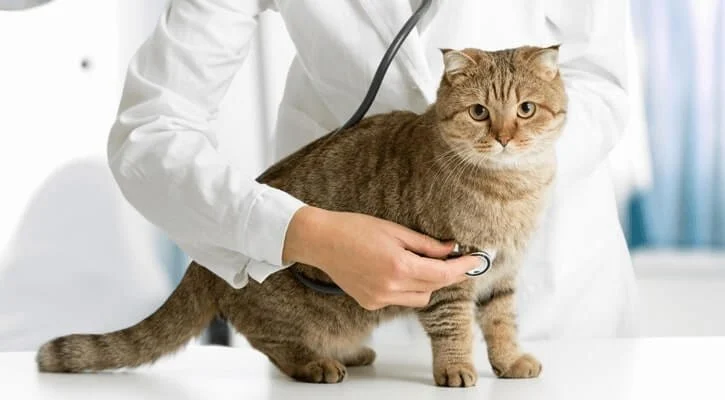
Expert Vet Advice on Preventive Care for Cats
- 1- The Importance of Preventive Care for Cats
- 2- Key Preventive Care Tips for Cats
- 3- Vaccinations and Routine Check-ups
- 4- Dental Care and Proper Nutrition for Cats
1- The Importance of Preventive Care for Cats
Preventive care for cats is essential to ensure their health and well-being throughout their lives. Regular check-ups and preventive measures help catch potential health issues early, leading to better treatment outcomes. Just like humans, cats are susceptible to various diseases and conditions, some of which can be prevented with the right care. Investing in preventive care not only improves your cat’s quality of life but also reduces long-term veterinary costs by preventing expensive treatments.

Paws to Ponies Vet Physio
OrmesbyRedcar and ClevelandEngland
Premier Rd, Ormesby, Middlesbrough TS7 9AZ, UK
2- Key Preventive Care Tips for Cats
As a responsible cat owner, you should incorporate several key preventive care practices into your pet's routine. These include:
- Regular Veterinary Check-ups: Scheduling routine vet visits allows for early detection of issues like dental disease, kidney problems, or arthritis. Cats tend to hide symptoms of illness, so regular exams are crucial for their health.
- Parasite Control: Fleas, ticks, and worms are common problems for cats, but they can be prevented with regular treatments. Consult your vet for the right flea, tick, and worming treatments for your cat's needs.
- Spaying and Neutering: Preventive care includes spaying or neutering your cat to avoid health problems such as uterine infections or testicular cancer. It also helps reduce the population of stray cats.
3- Vaccinations and Routine Check-ups
Vaccinations are one of the most important aspects of preventive care for your cat. Vaccinating your cat against common diseases like feline distemper, feline leukemia, and rabies helps protect them from potentially deadly conditions. Discuss with your vet about creating a vaccination schedule tailored to your cat’s needs, especially if you have an outdoor cat or a kitten.
Routine check-ups should include:
- Weight and body condition assessment
- Dental checks and cleanings
- Blood work and parasite screenings
- Checking for any signs of underlying health issues
4- Dental Care and Proper Nutrition for Cats
Dental health is a key component of your cat's overall well-being. Poor dental hygiene can lead to gum disease, tooth loss, and other serious health complications. Brushing your cat's teeth, providing dental treats, and scheduling professional cleanings are all essential for maintaining their oral health.
Nutrition plays a vital role in your cat’s health as well. Providing a balanced diet tailored to your cat’s age, weight, and health status ensures they receive the necessary nutrients. Be sure to avoid overfeeding or feeding your cat inappropriate foods like chocolate, onions, or garlic, which can be harmful to their health.
By following these preventive care guidelines, you can ensure that your cat stays healthy, happy, and free of serious diseases. For more expert advice and pet care tips, visit RegPets for the best products and services for your furry friends.






 Bella & Berties5.0 (1 reviews)
 Apisto Aquatics5.0 (25 reviews)
 Newtownards Reptiles and pets supplies5.0 (22 reviews)
 The Park Vet Group in East Leicestershire4.0 (375 reviews)
 Primitive pets5.0 (22 reviews)
 English Bulldogs0.0 (0 reviews)
 First Aid Tips for Guinea Pigs: What UK Pet Owners Need to Know
 Vaccination Guide Tips for Cats: What UK Pet Owners Need to Know
 UK Pet Owner’s Guide to Common Illnesses for Puppies
 Tips for Keeping Your Pet Hydrated and Healthy
 How to Fix Pet Anxiety and Stress – Vet’s Advice on Managing Your Pet’s Stress
 Expert Vet Advice on First Aid Tips for Cats: Essential Care When Your Cat Needs Help