
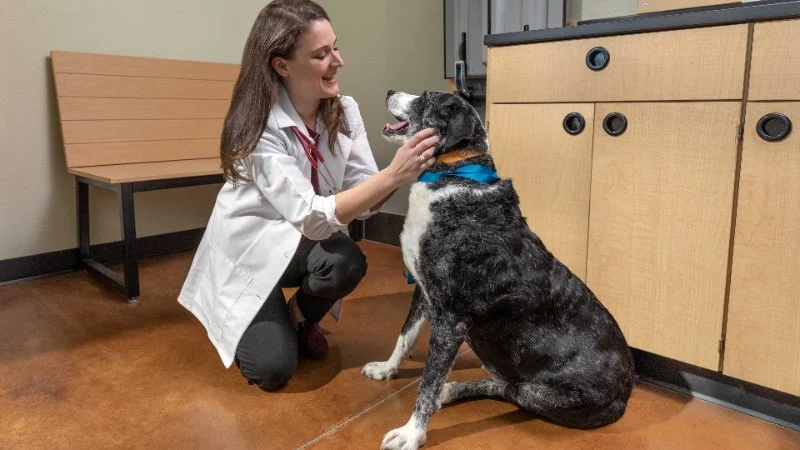
- 1-Introduction to Senior Pet Care
- 2-Regular Health Checkups for Senior Pets
- 3-Nutrition for Aging Pets
- 4-Exercise and Physical Activity for Older Pets
- 5-Common Health Issues in Senior Pets
- 6-Veterinary Care for Senior Pets: When to Seek Help
- 7-Conclusion: Ensuring a Long, Healthy Life for Your Senior Pet
1. Introduction to Senior Pet Care
As pets age, their needs change, and it becomes increasingly important to provide them with the proper care. Preventive care for senior pets is vital for ensuring they live a long, healthy, and happy life. In this article, we’ll explore expert vet advice on how to maintain your pet’s health as they enter their senior years, covering everything from regular health checkups to nutrition, exercise, and common age-related issues.

2. Regular Health Checkups for Senior Pets
One of the most essential aspects of preventive care for senior pets is regular health checkups. These checkups help detect potential problems early, allowing for timely treatment and better outcomes. Senior pets should visit the vet at least once or twice a year for a thorough examination, which typically includes:

Landorn Boarding Kennels & Cattery
Higher BartleLancashireEngland
Tabley Ln, Higher Bartle, Preston PR4 0LH, UK
2.1-Blood Work and Urine Tests
Blood work and urine tests help veterinarians detect signs of underlying conditions such as kidney disease, diabetes, or liver problems. These tests are crucial for senior pets, as certain conditions may not show noticeable symptoms until they are more advanced.
2.2-Physical Exam
A thorough physical examination can uncover issues such as joint pain, dental disease, or heart murmurs. Early detection of these problems can make a significant difference in managing your pet’s health.
2.3-Vaccinations and Parasite Prevention
While your senior pet may not need vaccinations as frequently as they did in their younger years, it’s still important to keep up with booster shots and parasite prevention treatments. Talk to your vet about an appropriate schedule for these preventative measures.
3. Nutrition for Aging Pets
Proper nutrition is one of the cornerstones of preventive care for senior pets. As your pet ages, their metabolism slows down, and their dietary needs may change. Here are some tips for ensuring your senior pet’s nutritional requirements are met:
3.1-Choose Age-Appropriate Food
Look for pet food formulated specifically for senior pets. These foods are designed to provide the right balance of nutrients, vitamins, and minerals to support aging joints, improve cognitive function, and maintain overall health.
3.2-Monitor Weight and Adjust Portion Sizes
Obesity is a common issue in senior pets and can contribute to arthritis, diabetes, and other health conditions. Regularly monitor your pet’s weight and adjust their food intake as needed. Your vet can help you determine the appropriate portion sizes based on your pet’s age, breed, and activity level.
3.3-Provide Joint Support
Joint health becomes increasingly important as pets age. Foods containing joint-supporting ingredients like glucosamine and chondroitin can help maintain healthy joints and prevent arthritis pain. These ingredients can also be found in joint supplements that your vet may recommend.
4. Exercise and Physical Activity for Older Pets
Exercise is essential for maintaining your senior pet’s physical and mental well-being. However, as pets age, their energy levels and physical abilities change. It’s important to adjust exercise routines to keep them active without overexerting them.
4.1-Regular, Low-Impact Exercise
Senior pets still need regular physical activity, but low-impact exercises such as gentle walks, swimming, or light play are ideal for aging pets. These exercises help maintain muscle tone, promote joint mobility, and support heart health.
4.2-Stay Alert for Signs of Discomfort
Be mindful of any signs of discomfort or pain during exercise, such as limping, reluctance to move, or difficulty standing up. If you notice these signs, consult your vet to adjust your pet’s exercise routine or explore pain relief options.
5. Common Health Issues in Senior Pets
As pets age, they are more susceptible to certain health conditions. Some of the most common health issues in senior pets include:
5.1-Arthritis and Joint Pain
Arthritis is a common condition in aging pets, particularly in large breeds. Signs of arthritis include limping, stiffness, and difficulty climbing stairs or getting up from a lying position. Early intervention, including joint supplements, medications, and physical therapy, can help manage arthritis symptoms.
5.2-Dental Disease
Dental disease is widespread in older pets and can lead to tooth loss, infections, and systemic health issues. Regular dental checkups and brushing your pet’s teeth at home can prevent or reduce the severity of dental problems.
5.3-Diabetes and Kidney Disease
Senior pets are at a higher risk for conditions like diabetes and kidney disease. Symptoms of diabetes include excessive thirst, frequent urination, and weight loss, while kidney disease may cause weight loss, vomiting, and lethargy. Regular health checkups can help detect these conditions early, improving your pet’s quality of life.
6. Veterinary Care for Senior Pets: When to Seek Help
If you notice any signs of illness in your senior pet, don’t wait for a checkup—seek veterinary help immediately. Early diagnosis and treatment can make a significant difference in managing your pet’s health and preventing further complications.
6.1-Signs You Should See a Vet
Signs such as changes in appetite, weight loss, excessive thirst, difficulty breathing, lethargy, or behavioral changes should prompt a visit to the vet. Your vet will be able to provide treatment options tailored to your senior pet’s needs.
6.2-Advanced Care Options
For pets with chronic conditions or severe health issues, your vet may recommend advanced care such as specialty treatments, surgery, or palliative care to manage symptoms and maintain a good quality of life.
7. Conclusion: Ensuring a Long, Healthy Life for Your Senior Pet
Taking preventive measures to care for your senior pet is essential for maintaining their health and happiness as they age. Regular health checkups, proper nutrition, appropriate exercise, and managing common health issues are all key components of ensuring your pet’s longevity. If you have any concerns about your senior pet’s health, always consult your vet for expert advice and personalized care. By staying proactive, you can enjoy many more years of companionship with your aging pet.
For personalized advice and the best products for senior pet care, visit RegPets.



 Gone Barking5.0 (7 reviews)
 Peejay Pet Superstore Ltd4.0 (1173 reviews)
 Sheerbliss Cattery5.0 (19 reviews)
 Calcaria Veterinary Practice4.0 (90 reviews)
 Crookedstone Cattery0.0 (0 reviews)
 Apisto Aquatics5.0 (25 reviews)
 Top 10 Behaviour Training Every Reptile Owner in the UK Should Know
 Common Vaccination Myths Debunked by UK Vets
 How to Handle Emergency Situations with Your Pet | Pet Safety Tips
 Complete Guide to Nutrition Tips for Hamsters: What Your Pet Needs to Stay Healthy
 Dealing with Anxiety and Stress in Pets: Vet Advice for UK Pet Owners
 Top 10 Behaviour Training Every Guinea Pig Owner in the UK Should Know