

- Tip 1: Proper Nutrition for Growing Puppies and Kittens
- Tip 2: Regular Veterinary Visits and Vaccinations
- Tip 3: Socialization and Training for Puppies and Kittens
- Tip 4: Grooming and Bathing Essentials
- Tip 5: Creating a Safe and Comfortable Home
- Tip 6: Proper Sleep and Rest for Your Pets
- Tip 7: Understanding Behavioural Signs
- Tip 8: Feeding Frequency and Portion Control
- Tip 9: Managing Pet Health Emergencies
- Tip 10: Building a Bond with Your New Pet
Tip 1: Proper Nutrition for Growing Puppies and Kittens
Ensuring your new puppy or kitten receives the right nutrition is vital for their growth and development. For puppies, choose high-quality puppy food that supports their energy levels and bone health. Kittens need kitten-specific food that provides adequate protein and vitamins for their developing immune system. Be sure to feed them in appropriate portions based on their age and size. Consult with a vet for recommendations on the best food for your specific breed or type of pet.

Tip 2: Regular Veterinary Visits and Vaccinations
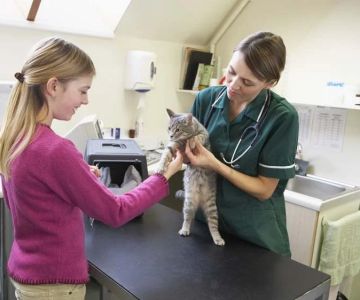
Regular vet visits are essential for ensuring your puppy or kitten stays healthy. Schedule initial check-ups shortly after bringing them home, and follow your vet’s advice on vaccinations, flea control, and deworming. Keeping up with these treatments will help prevent common pet diseases and ensure your furry friend has a long, healthy life. Don’t forget to keep a record of all visits for future reference!

Tip 3: Socialization and Training for Puppies and Kittens
Socializing your puppy or kitten is a critical step in their early development. Introduce them to different people, pets, and environments to help them grow confident and well-adjusted. Positive reinforcement training is also key. For puppies, basic commands like “sit” and “stay” should be taught early, while kittens can learn to use a litter box with patience. Socialization and early training will create a well-behaved pet that is comfortable in various situations.
Tip 4: Grooming and Bathing Essentials
Both puppies and kittens need regular grooming to stay clean and healthy. Brushing their fur regularly helps prevent matting and reduces shedding. Bathing should be done sparingly, but when necessary, use pet-friendly shampoos. Regular grooming not only keeps your pet’s coat looking good, but it also helps you spot potential health issues such as skin infections or parasites. If your pet has long hair, consider regular visits to a professional groomer.
Tip 5: Creating a Safe and Comfortable Home
When you bring a new puppy or kitten into your home, it’s important to create a safe and comfortable environment. Set up a cozy area with bedding and toys where your pet can relax and feel secure. Keep dangerous items like chemicals or sharp objects out of their reach. For puppies, be mindful of chewing hazards, while kittens may enjoy exploring high spaces, so be cautious about potential falls. Your home should be a space where your new pet can feel comfortable, secure, and happy.
Tip 6: Proper Sleep and Rest for Your Pets
Both puppies and kittens need plenty of sleep to grow and recharge. Provide a quiet, calm space for them to nap, free from disturbances. Puppies generally need around 18 hours of sleep a day, while kittens can sleep between 16-18 hours. A regular sleep schedule will help your pet feel rested and ready for playtime and learning. If you notice your pet is sleeping excessively or seems lethargic, consult your vet for advice.
Tip 7: Understanding Behavioural Signs
Understanding your pet’s body language and vocalizations can help you determine how they’re feeling. Puppies and kittens will often express their emotions through barking, meowing, wagging their tails, or purring. Pay attention to these cues to understand when they’re happy, anxious, or hungry. If your pet exhibits signs of distress or aggressive behaviour, it’s important to seek professional help from a vet or animal behaviourist.
Tip 8: Feeding Frequency and Portion Control
Proper feeding schedules and portion control are important to avoid overfeeding or underfeeding. Puppies and kittens should be fed multiple times a day, usually 3-4 meals for puppies and 4-5 meals for kittens in the first few months. As they grow older, you can reduce the frequency of meals. Always measure the food portions to ensure they’re eating the right amount based on their age, breed, and activity level. Regular feeding also helps establish a routine and can reduce anxiety around meal times.
Tip 9: Managing Pet Health Emergencies
Accidents and health emergencies can happen, so it’s essential to know how to respond. Keep a first aid kit on hand with pet-specific supplies like bandages, antiseptic wipes, and tweezers for tick removal. Familiarize yourself with signs of common health emergencies, such as difficulty breathing, vomiting, or unusual behaviour. If you suspect something is wrong, don’t hesitate to contact your vet immediately for guidance or to schedule an emergency appointment.
Tip 10: Building a Bond with Your New Pet
The bond you build with your puppy or kitten is essential to their well-being and your relationship. Spend quality time with them through play, cuddling, and training sessions. Establish trust by being patient, consistent, and loving. This will help your pet feel safe and secure in your presence. The stronger the bond, the more responsive and well-behaved your pet will be, making for a rewarding companionship throughout their life.




 Durham Equine Practice4.0 (46 reviews)
 Glenrose Cattery4.0 (39 reviews)
 H V S Animal Health5.0 (7 reviews)
 Station House Vets Small Animal & Equine Practice5.0 (63 reviews)
 Orchard Cattery4.0 (22 reviews)
 Origin vets clinic4.0 (106 reviews)
 Mental Health Explained: Keeping Your Senior Pets Healthy in the UK
 Dental Care Tips for Cats: What UK Pet Owners Need to Know
 Vet-Approved Nutrition Tips for Fish
 Vet-Approved Dental Care for Senior Pets
 Seasonal Health Tips Explained: Keeping Your Kittens Healthy in the UK
 Best Practices for Nutrition Tips in Exotic Pets