
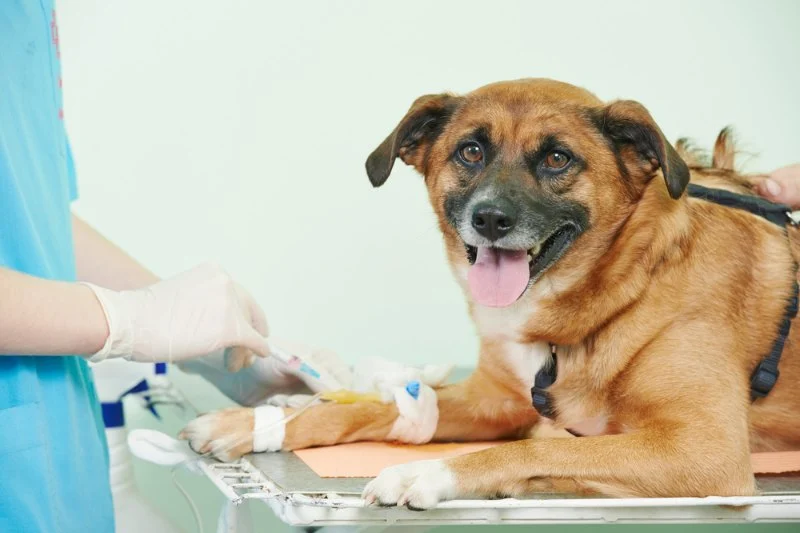
- why-regular-blood-tests-matter-for-uk-pets
- how-blood-tests-reveal-hidden-health-issues
- when-and-how-often-your-pet-should-be-tested
- real-uk-pet-owner-stories-and-their-impact
- how-to-choose-the-right-vet-or-service
- the-regpets-advantage-in-veterinary-monitoring
1. Why Regular Blood Tests Matter for UK Pets
Just like humans, pets can suffer from underlying conditions that don’t show visible symptoms until it's too late. Regular blood tests are a preventive tool used by UK vets to track internal health, identify early warning signs, and ensure pets age gracefully and healthily.
Whether it’s a routine check-up for your cat in London or a wellness screen for your border collie in the Scottish Highlands, diagnostic blood tests are a staple in responsible pet ownership. They help detect issues like kidney disease, diabetes, thyroid disorders, liver problems, and even infections.

Pet World Armagh
Armagh City, Banbridge and CraigavonNorthern Ireland
14A Thomas St, Armagh BT61 7PX, UK
2. How Blood Tests Reveal Hidden Health Issues
Blood work can uncover a lot that physical exams simply can't. For example:
Complete Blood Count (CBC): This checks for anaemia, infections, and blood clotting disorders.Biochemistry Profile: Looks at liver enzymes, kidney values, blood sugar levels, and electrolytes.Thyroid Function Tests: Especially important for older cats (hyperthyroidism) and dogs (hypothyroidism).Heartworm & Parasite Screens: While less common in the UK, imported or travelling pets may be at risk.
Early detection means early intervention. It’s not about over-testing—it's about being proactive instead of reactive.

3. When and How Often Your Pet Should Be Tested
Most UK vets recommend a baseline blood test at least once a year for adult pets, and more frequently for seniors or pets with chronic conditions. However, certain life stages and conditions call for more specific timing:
Puppies & Kittens: Pre-neutering or before vaccinations.Adults (1–7 years): Annually with wellness exams.Seniors (7+ years): Every 6 months if possible.Before Anaesthesia: Essential to reduce surgical risks.When Symptoms Arise: Lethargy, weight loss, vomiting, or behavioural changes are red flags.
4. Real UK Pet Owner Stories and Their Impact
Emma from Manchester shared how her rescue cat, Misty, seemed healthy but became lethargic over time. A vet recommended routine bloodwork, which revealed early-stage kidney disease. Thanks to that test, Misty was put on a renal diet early—and is still thriving two years later.
In Bristol, Jack’s labrador Bruce was showing subtle signs of tiredness. A preventative blood screen flagged a thyroid imbalance. With treatment, Bruce was soon back to chasing tennis balls at the park.
These are not rare cases—they’re daily realities for UK pet owners who stay a step ahead with blood testing.
5. How to Choose the Right Vet or Service
Finding a veterinary provider who explains the process and makes you feel comfortable is key. Ask about:
- Whether they offer comprehensive panels tailored to your pet’s age- Turnaround times for results- If they provide written reports or digital copies- How they follow up on findings and support treatment plans
You can always check if the clinic is RCVS-accredited and ask how often they perform wellness screenings.
6. The RegPets Advantage in Veterinary Monitoring
If you're looking for trusted services or vet-recommended diagnostic tools, RegPets offers access to professionally reviewed products and partnerships with clinics across the UK. Whether you need a senior health check kit or want to stock up on supportive dietary supplements, RegPets provides solutions tailored to your pet’s health journey.
Proactive care saves lives—and peace of mind begins with information. Regular blood testing is an invaluable part of being a responsible UK pet owner. And with the right support, you don’t have to figure it all out alone.




 Buttercross Veterinary Centre - East Bridgford4.0 (81 reviews)
 Aqua Group4.0 (78 reviews)
 Hillcrest Veterinary Surgery - Eccleston4.0 (62 reviews)
 Marshall’s Koi5.0 (11 reviews)
 Lime Grove Cattery5.0 (45 reviews)
 Wolds Veterinary Clinic4.0 (520 reviews)
 Complete Guide to Seasonal Health Tips for Reptiles
 The Role of Regular Blood Tests in Monitoring Pet Health in the UK
 How Often Should You Take Your Pet for a Health Checkup?
 Recognising Symptoms of Allergies in Dogs and Cats
 What to Expect During Your Pet’s First Vet Visit in the UK – Full Guide for New Owners
 Vet-Approved Behaviour Training for Senior Pets: A Guide to a Happier, Healthier Pet