
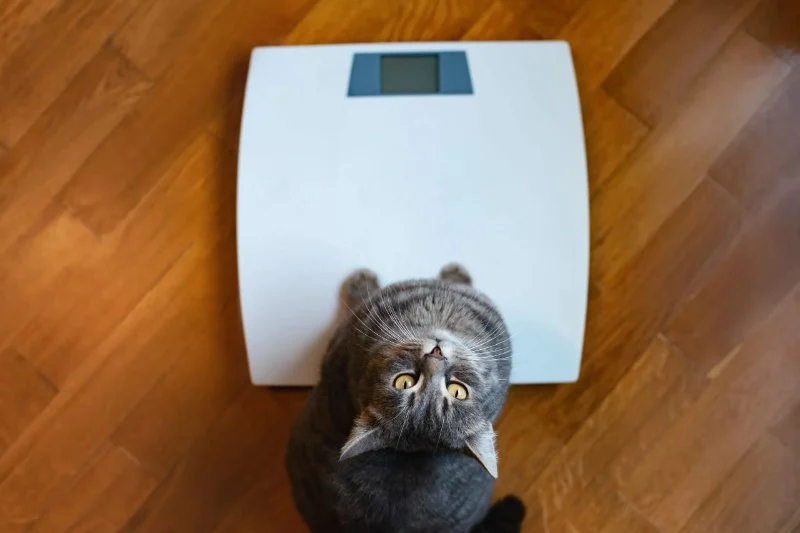
- 1. Introduction: Why Weight Management is Crucial for Senior Pets
- 2. The Challenges of Weight Management in Aging Pets
- 3. Effective Weight Management Strategies for Senior Pets
- 4. The Role of Proper Nutrition in Weight Control
- 5. Exercise Tips to Keep Your Senior Pet Active and Healthy
1. Introduction: Why Weight Management is Crucial for Senior Pets
As pets age, managing their weight becomes more important than ever. Obesity can lead to a range of health problems in senior pets, including arthritis, diabetes, and heart disease. Understanding the connection between weight and health is essential to ensuring your pet lives a long, comfortable life.
Veterinarians often recommend weight management for senior pets to prevent and manage these conditions. In this article, we’ll explore why weight management is crucial, the challenges senior pets face, and the best strategies for maintaining a healthy weight for your aging pet.

2. The Challenges of Weight Management in Aging Pets
As pets grow older, several factors can contribute to weight gain and make it more challenging to manage their weight:
- Decreased Activity: Older pets tend to be less active due to decreased energy levels, joint stiffness, or other health issues. This reduction in physical activity can lead to weight gain if their diet is not adjusted accordingly.
- Slower Metabolism: Just like humans, pets' metabolism slows down with age. This means that even if they eat the same amount, they may gain weight more easily.
- Health Conditions: Conditions like hypothyroidism, arthritis, and diabetes are more common in older pets and can contribute to weight gain or make it harder for pets to lose weight.
These challenges highlight the importance of regular check-ups with a vet to monitor your senior pet's weight and overall health. Early intervention can help prevent the development of obesity-related health problems.

3. Effective Weight Management Strategies for Senior Pets
Managing your senior pet's weight requires a combination of proper diet, exercise, and monitoring. Here are some effective strategies:
- Portion Control: One of the most effective ways to manage your pet’s weight is by controlling portion sizes. Measure your pet’s food to avoid overfeeding and ensure they are getting the right amount of nutrients.
- Regular Vet Visits: Regular vet visits are essential for monitoring your pet’s weight, identifying potential health issues early, and adjusting their diet as needed.
- Weight Management Foods: Many pet food brands offer specially formulated weight management diets for older pets. These foods are lower in calories but still provide the necessary nutrients your pet needs.
Weight management for senior pets is not a one-time fix—it’s a continuous process that involves commitment and regular monitoring to ensure long-term success.
4. The Role of Proper Nutrition in Weight Control
Nutrition plays a key role in weight management for senior pets. As pets age, their nutritional needs change, and feeding them the right diet can help prevent weight gain and other age-related health issues.
When choosing a diet for your senior pet, consider the following factors:
- Protein Content: Older pets need high-quality protein to maintain muscle mass and support overall health. Look for foods with a good balance of protein, fat, and carbohydrates.
- Low Fat and Calories: A lower-fat diet with fewer calories is important for weight control, especially for senior pets that are less active. Choose foods that provide the necessary nutrients without contributing to weight gain.
- Joint Health: Many senior pets suffer from arthritis and joint pain. Look for foods that contain ingredients like glucosamine and chondroitin to support joint health and mobility.
Consult with your veterinarian to find the best diet plan for your senior pet’s specific needs and condition.
5. Exercise Tips to Keep Your Senior Pet Active and Healthy
Exercise is an essential part of weight management and overall health for senior pets. Regular physical activity helps keep muscles strong, joints flexible, and weight in check. However, it’s important to tailor exercise routines to your pet’s age and condition:
- Low-Impact Activities: Older pets with joint issues may benefit from low-impact exercises like short walks, swimming, or gentle play. These activities are easy on the joints while still promoting weight loss and overall health.
- Consistency is Key: Make sure your pet gets regular exercise, but don’t overdo it. Gradually increase the duration and intensity of activities to match your pet’s fitness level.
- Interactive Toys: Use toys like treat-dispensing balls or puzzle games to encourage mental stimulation and gentle exercise while keeping your pet entertained.
Exercise not only helps manage weight but also boosts your pet’s mood and energy levels, keeping them happy and active well into their senior years.
At 【RegPets】, we offer expert advice on senior pet care, including weight management strategies and nutritional recommendations. Visit our website for more tips and to find the best products for your senior pet’s health.



 Gone Barking5.0 (7 reviews)
 Peejay Pet Superstore Ltd4.0 (1173 reviews)
 Sheerbliss Cattery5.0 (19 reviews)
 Calcaria Veterinary Practice4.0 (90 reviews)
 Crookedstone Cattery0.0 (0 reviews)
 Apisto Aquatics5.0 (25 reviews)
 Top 10 Behaviour Training Every Reptile Owner in the UK Should Know
 Common Vaccination Myths Debunked by UK Vets
 How to Handle Emergency Situations with Your Pet | Pet Safety Tips
 Complete Guide to Nutrition Tips for Hamsters: What Your Pet Needs to Stay Healthy
 Dealing with Anxiety and Stress in Pets: Vet Advice for UK Pet Owners
 Top 10 Behaviour Training Every Guinea Pig Owner in the UK Should Know