
- 1- Recognizing Common Pet Emergencies
- 2- Preparing for Emergencies: Must-Have Supplies
- 3- Immediate First Aid Steps for Pet Emergencies
- 4- When to Seek Professional Help
- 5- Case Studies: Real-Life Pet Emergency Stories
- 6- Conclusion: Keeping Your Pet Safe in Emergencies
1- Recognizing Common Pet Emergencies
Every pet owner should be prepared for emergencies, as animals can be unpredictable, and accidents can happen when least expected. Some common pet emergencies include choking, poisoning, severe allergic reactions, or sudden injuries like broken bones or cuts. It is essential to know the signs of these emergencies to act quickly. For example, if your pet is suddenly drooling excessively, pawing at their mouth, or appears to be in distress, it could be a sign of choking or something stuck in their throat.
2- Preparing for Emergencies: Must-Have Supplies
Being prepared for emergencies is key. By having the right supplies and tools at hand, you can handle situations quickly and efficiently. Some must-have items for your pet emergency kit include:
- First Aid Kit: Include items such as bandages, antiseptic wipes, tweezers for removing splinters, and gauze pads for bleeding.
- Pet Medications: Keep a list of your pet's medications and any other emergency prescriptions they may need.
- Pet Carrier: A secure carrier can be used to transport your pet safely to the vet if necessary.
- Emergency Contact Information: Have the contact information for your vet, the nearest emergency animal hospital, and poison control available in case of urgent situations.
3- Immediate First Aid Steps for Pet Emergencies
Knowing what to do in the first moments of a pet emergency can make all the difference. Here are a few general steps to take during a pet emergency:
- Check for Breathing: If your pet is unresponsive, check if they are breathing. If not, start CPR if you are trained.
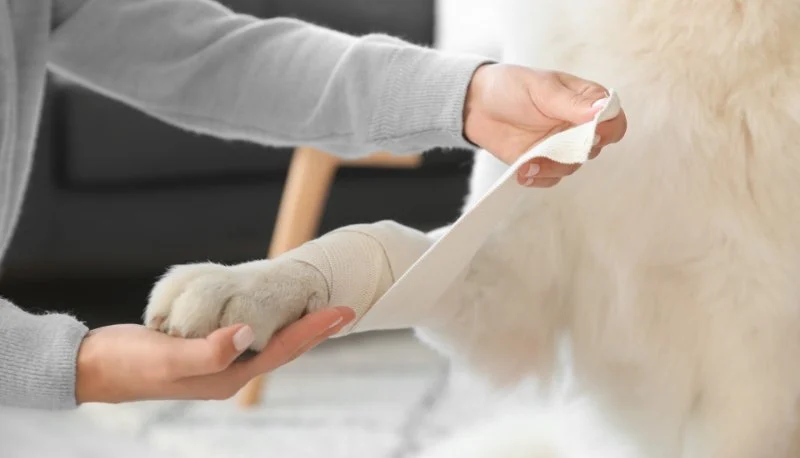
- Control Bleeding: If there’s heavy bleeding, use a clean cloth or bandage to apply pressure to the wound until you can get medical help.
- Keep Your Pet Calm: Pets often react to stress by becoming more agitated, so keeping them as calm as possible will help reduce their stress and prevent further harm.
- Seek Veterinary Care: Even if the injury or illness seems minor, it's crucial to take your pet to the vet for a proper diagnosis and treatment.
4- When to Seek Professional Help
While some emergencies may be manageable at home with basic first aid, there are times when seeking professional veterinary care is critical. These include:
- Severe Injuries: Fractures, deep wounds, or injuries caused by accidents require immediate professional intervention.
- Ingestion of Toxic Substances: If your pet eats something toxic (chocolate, certain plants, chemicals), seek immediate help from a poison control center or a vet.
- Severe Allergic Reactions: Swelling, difficulty breathing, or sudden collapse are all signs that require urgent veterinary care.
- Unresponsiveness or Seizures: If your pet is unresponsive or having seizures, professional help is necessary right away.
5- Case Studies: Real-Life Pet Emergency Stories
Let’s take a look at some real-life pet emergency stories to understand how crucial it is to act quickly. One such case involved a dog named Max, who ingested a piece of chocolate. His owner immediately called the vet and was instructed to induce vomiting, which saved his life. This highlights the importance of knowing how to react and having emergency contact information readily available.
Another example is a cat named Bella who was injured after falling from a height. Her owner acted fast, applying pressure to the wound to control bleeding, and took her to the vet right away. Bella made a full recovery thanks to the quick thinking of her owner. These stories demonstrate how being prepared and staying calm can help your pet through an emergency.
6- Conclusion: Keeping Your Pet Safe in Emergencies
Emergencies can happen at any time, but knowing how to handle them can make all the difference in your pet’s well-being. By being prepared with the right supplies, knowing basic first aid, and seeking professional help when needed, you can ensure your pet stays safe in any emergency. Don’t wait for a crisis to learn what to do—take action today to be ready when your furry friend needs you most.
For more information and products to help you prepare for pet emergencies, visit RegPets for helpful tools and tips.




 Cowbridge Road Veterinary Centre4.0 (121 reviews)
 Rase Veterinary Centre - Nettleham4.0 (100 reviews)
 Paws for Thought Pet Centre4.0 (1507 reviews)
 Meadowview Chickens4.0 (100 reviews)
 Vicarage Veterinary Centre4.0 (209 reviews)
 Posh Pets4.0 (107 reviews)
 Dealing with Anxiety and Stress in Pets: Vet Advice
 Pet Dental Care: Why Regular Vet Visits Matter in the UK
 Complete Guide to Common Illnesses for Puppies
 How to Manage Your Pet’s Weight and Prevent Obesity in the UK
 Dental Care Tips for Cats: What UK Pet Owners Need to Know
 Recognising Allergy Symptoms in UK Dogs and Cats: What to Watch For