
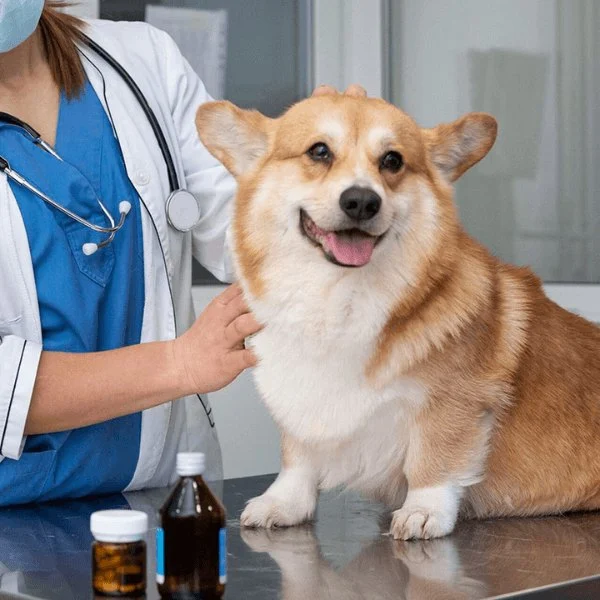
Vet-Approved Preventive Care for Dogs
- Importance of Preventive Care
- Key Preventive Care Practices for Dogs
- Vaccinations and Regular Check-Ups
- Nutrition and Exercise for Canine Health
- Common Health Issues in Dogs
- Real-Life Example: Successful Preventive Care
1. Importance of Preventive Care
Preventive care is crucial for maintaining your dog’s overall health and quality of life. Much like humans, dogs need regular health checks and maintenance to prevent illness and ensure they live a long, happy life. By focusing on prevention, you can avoid more serious and costly health issues down the line, helping your dog stay fit and active.

Wilson Veterinary Group, Newton Aycliffe
Unit 1B Greenwell Rd, Newton Aycliffe DL5 4DH, UK
1.1 Cost-Effective Health Management
While preventive care may involve some initial investment, it can save you a significant amount of money in the long run. Regular check-ups, vaccinations, and proper nutrition help to catch any potential health issues early, which can be more manageable and less expensive to treat compared to more severe conditions that may develop over time.

1.2 Enhancing Quality of Life
Regular preventive care ensures that your dog maintains optimal health, which in turn enhances their quality of life. Properly managed health routines help prevent pain, discomfort, and mobility issues that can interfere with your dog’s ability to enjoy daily activities like walking, playing, or interacting with family members.
2. Key Preventive Care Practices for Dogs
There are several key practices that should be a part of your dog’s regular preventive care routine. These practices not only address the basic aspects of health but also help establish a foundation for a long and healthy life.
2.1 Regular Vet Visits
One of the most important aspects of preventive care is scheduling regular vet visits. Vet check-ups allow for early detection of health problems, such as dental issues, heart conditions, or infections. During these visits, your vet can also offer tailored advice on maintaining your dog’s health based on their age, breed, and lifestyle.
2.2 Vaccinations
Vaccinations are a critical part of preventive care, protecting your dog from a variety of infectious diseases. Puppies typically receive a series of vaccinations in the first few months of life, and adult dogs require booster shots to maintain immunity against diseases such as parvovirus, rabies, and distemper.
2.3 Parasite Control
Parasites like fleas, ticks, and worms can affect your dog’s health, causing discomfort or serious conditions. Regular treatments and preventive medications are essential to protect your dog from infestations and infections caused by these parasites. Speak to your vet to determine the best parasite control options for your dog’s specific needs.
3. Vaccinations and Regular Check-Ups
Vaccinations are a fundamental component of preventive care, ensuring that your dog’s immune system is protected against contagious diseases. Regular check-ups are equally important, as they help your vet monitor your dog’s overall health, including weight, coat condition, and dental hygiene.
3.1 Puppy Vaccination Schedule
When you first adopt a puppy, it’s important to follow a vaccination schedule recommended by your vet. This typically includes a series of vaccinations spaced a few weeks apart, followed by annual booster shots. The early stages of vaccination are critical for preventing dangerous diseases and ensuring a healthy start to life.
3.2 Annual Health Check-Ups
Even after your dog has completed their vaccination schedule, regular annual health check-ups are necessary to maintain their well-being. These visits allow your vet to check for any signs of health issues and administer necessary treatments, including booster vaccinations and blood tests to screen for conditions like heartworm or diabetes.
4. Nutrition and Exercise for Canine Health
Nutrition and exercise play a significant role in preventive care for dogs. A well-balanced diet and regular physical activity help maintain your dog’s weight, muscle mass, and overall health.
4.1 Proper Nutrition
Providing your dog with a nutritious, balanced diet is crucial to their health. Speak with your vet about the best type of food for your dog’s breed, age, and specific health needs. High-quality dog food provides the essential nutrients they need for strong bones, healthy skin, and energy for daily activities.
4.2 Regular Exercise
Exercise is essential for maintaining your dog’s physical health. Regular walks, playtime, and even training sessions help keep your dog active and prevent obesity, which can lead to a variety of health issues such as joint problems, heart disease, and diabetes. Tailor the amount of exercise to your dog’s breed and energy levels.
5. Common Health Issues in Dogs
Preventive care can help minimize the risk of common health problems in dogs. However, it’s important to be aware of the health issues that often affect dogs, particularly as they age.
5.1 Obesity
Obesity is one of the most common health problems among pets. It’s linked to a variety of serious conditions, including diabetes, arthritis, and heart disease. Ensuring that your dog maintains a healthy weight through proper diet and exercise is an important part of preventive care.
5.2 Dental Disease
Dental disease is another common issue that affects many dogs. It can lead to pain, tooth loss, and infections. Regular teeth brushing and professional dental cleanings can help prevent dental problems and ensure your dog’s mouth stays healthy.
6. Real-Life Example: Successful Preventive Care
Meet Max, a 6-year-old Labrador Retriever who has been benefiting from regular vet check-ups, a healthy diet, and daily exercise. Max’s owner, Sarah, took her vet’s advice seriously and incorporated preventive care into his routine early on. Thanks to regular vaccinations, parasite control, and a balanced diet, Max has stayed healthy and active. At his latest check-up, his vet was pleased with his weight, dental health, and overall well-being. Max is proof that preventive care truly works.
6.1 Max’s Routine
Max’s routine includes a balanced diet of high-quality kibble, regular 30-minute walks every day, and an annual vet check-up. Sarah also maintains Max’s dental health by brushing his teeth twice a week and providing dental chews to help prevent plaque buildup. With these efforts, Max continues to enjoy a happy and healthy life.




 CosyDogs4.0 (38 reviews)
 H V S Animal Health5.0 (7 reviews)
 NoseyPaws5.0 (1 reviews)
 Tweed House Vets4.0 (283 reviews)
 Miller & Rose Dog Boutique5.0 (6 reviews)
 Heckington Veterinary Clinic4.0 (138 reviews)
 Top 10 Mental Health Every Rabbits Owner in the UK Should Know
 Expert Vet Advice on First Aid Tips for Cats: Essential Care When Your Cat Needs Help
 How to Deal with Anxiety and Stress in Pets: Expert Vet Advice
 The Importance of Exercise and Fitness for Kittens – UK Edition
 Expert Vet Advice on Dental Care for Hamsters
 Allergy Care Explained: Keeping Your Hamsters Healthy in the UK