
Can Rabbits Eat Basil? Aromatic Herb Safety for Your Bunny
- basics-of-basil-safety-rabbits - understanding whether basil is safe and how it fits into a rabbit’s diet
- nutrition-and-benefits-basil-rabbits - detailed breakdown of nutrients and digestive impact for bunnies
- feeding-guidelines-rabbits-basil - how much basil is appropriate and how often to serve it safely
- risks-and-sensitivity-rabbits-herbs - when basil may cause issues and what warning signs to watch for
- real-life-rabbit-feeding-story - practical example of introducing basil safely at home
- safe-herb-alternatives-rabbits - other herbs rabbits can eat besides basil
- expert-rabbit-care-advice-regpets - professional guidance and where to learn more
Understanding Basil in a Rabbit’s Diet
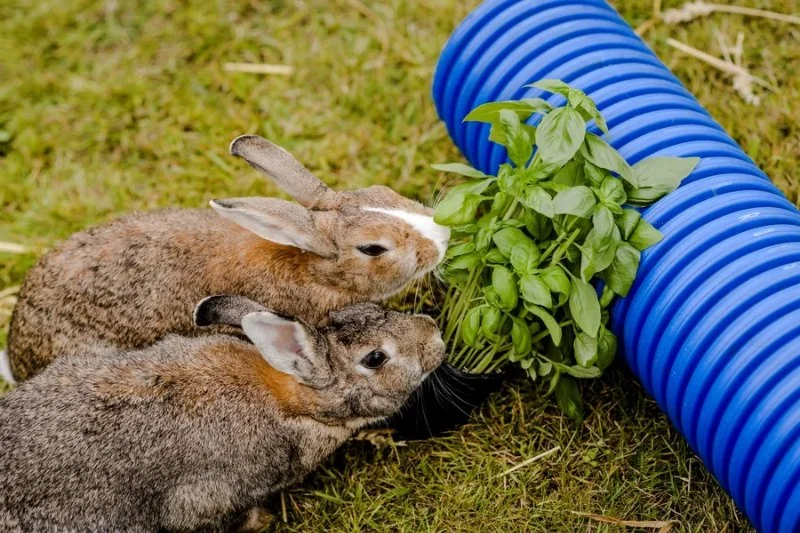
When people first ask can rabbits eat basil, the concern usually comes from wanting to treat their bunny safely without upsetting their sensitive digestive system. The good news is that basil is generally considered a safe herb for rabbits when given in moderation. In fact, many rabbits enjoy its fresh aroma and slightly sweet flavor.
Rabbits are herbivores with a digestive system designed for fibrous plant material. Their diet mainly revolves around hay, fresh leafy greens, and controlled portions of vegetables. Herbs like basil fall into the “safe greens” category, but that does not mean unlimited feeding is a good idea. Balance is everything.
Think of basil as a flavorful supplement rather than a dietary foundation. It can enhance variety, encourage appetite in picky rabbits, and even provide minor nutritional benefits—but it should never replace hay or staple leafy greens.

Bridges Veterinary Surgery
Pughs Garden Village, Ty-Nant Rd, Cardiff, Morganstown, Cardiff CF15 8LB, UK
What Makes Basil Safe for Rabbits?
Basil contains several naturally occurring nutrients that can be beneficial for rabbits when served properly. These include antioxidants, small amounts of vitamins A and K, and trace minerals that support overall health. More importantly, basil is low in oxalates and calcium compared to some other herbs, making it less likely to contribute to urinary issues when used appropriately.
However, the safety of basil is not just about nutrition—it is also about digestibility. Rabbits have delicate gut flora that depends heavily on fiber. Basil’s soft leafy structure is easy to chew and digest, which is why many rabbit owners safely include it as part of a varied herb rotation.
Still, every rabbit is different. Some may tolerate basil well, while others may show mild digestive sensitivity if introduced too quickly or in large quantities.

Jeremy Bodian Surgical Service
LacebyNorth East LincolnshireEngland
Chapel, Laceby, Grimsby DN37 7DX, UK
How Much Basil Can Rabbits Eat?
One of the most common mistakes new rabbit owners make is assuming “safe” means “unlimited.” Even healthy foods can cause issues if overfed. With basil, moderation is essential.
A practical guideline is to offer basil a few times per week in small handful portions, mixed with other leafy greens. For an average adult rabbit, a few basil leaves per serving is usually enough. It should always complement a diet that is primarily hay-based.
Young rabbits or those under six months old should be introduced to herbs like basil more cautiously, as their digestive systems are still developing.
Signs Your Rabbit Enjoys Basil vs. When to Stop
Observing your rabbit’s behavior is one of the most reliable ways to determine whether basil agrees with them. Many rabbits will eagerly nibble basil the moment it is offered, sometimes even preferring it over other greens.
Positive signs include normal droppings, consistent appetite, and active behavior after eating basil. However, if you notice softer stool, reduced eating, or lethargy, it may be time to pause basil and reassess their diet.
Some rabbits simply have more sensitive digestive systems. This doesn’t necessarily mean basil is harmful—it may just mean their tolerance is lower than average.
Real-Life Story: A Rabbit Named Milo and His First Basil Experience
A rabbit owner once shared their experience with a young bunny named Milo. At first, Milo had a very limited diet of hay and basic greens. When basil was introduced, he reacted with immediate curiosity, sniffing it repeatedly before cautiously tasting a leaf.
Within days, basil became one of his favorite treats—but only in small amounts. When his owner accidentally increased the portion too quickly, Milo showed mild digestive upset. After reducing the serving size and spacing it out, his system returned to normal, and basil remained part of his weekly rotation.
This story highlights an important truth: even safe foods require careful introduction. Rabbits thrive on consistency and gradual dietary changes rather than sudden shifts.
Herbs That Pair Well With Basil in a Rabbit Diet
If you’re building a varied herb rotation, basil works well alongside several other rabbit-safe options. Mixing herbs helps prevent boredom and supports nutritional balance.
Common safe herbs include cilantro, parsley, dill, and mint (in small amounts). Each offers slightly different flavors and nutrients, which keeps your rabbit engaged during feeding time.
Variety also reduces the risk of overexposure to any single plant compound, which is especially important for long-term health.
Common Mistakes When Feeding Basil to Rabbits
One of the biggest mistakes rabbit owners make is overfeeding herbs because they are “healthy.” Even natural foods can disrupt gut balance if not managed correctly.
Another mistake is introducing basil too quickly. Rabbits need time to adjust to new foods. A sudden dietary change can easily lead to digestive issues, even if the food itself is safe.
Finally, some owners forget to wash herbs thoroughly. Basil grown commercially or in gardens may carry pesticides or residues that are unsafe for small animals. Always rinse carefully before serving.
Expert Insight on Safe Rabbit Feeding Habits
Veterinary nutrition guidelines emphasize that rabbits need a high-fiber, low-sugar diet with controlled variety in greens. Herbs like basil are considered enrichment foods rather than dietary staples.
Experts often recommend observing stool consistency, hydration levels, and activity changes when introducing any new food. This helps catch early signs of intolerance before they become serious.
For rabbit owners looking for more structured feeding guidance and safe product recommendations, platforms like RegPets provide helpful resources for building a balanced rabbit care routine.
Why Balance Matters More Than Variety
It’s easy to assume that more variety automatically equals better nutrition. However, in rabbit diets, stability is just as important as diversity. A consistent base of hay combined with carefully selected greens creates the healthiest foundation.
Basil fits into this system as a rotating herb—something enjoyable, enriching, and safe when used responsibly. Over time, rabbits benefit more from predictable feeding patterns than from constantly changing foods.
When Basil Should Be Avoided
Although basil is generally safe, there are certain situations where it should be limited or avoided. Rabbits with known digestive disorders, recent antibiotic treatments, or unexplained gastrointestinal symptoms may need a simplified diet until stabilized.
In these cases, reintroducing herbs should always be done gradually under careful observation. Every rabbit has unique needs, and dietary adjustments should always prioritize gut health first.





 The Pet Vet4.0 (750 reviews)
 Cedars Veterinary Centre4.0 (369 reviews)
 Wharf Aquatics Ltd4.0 (2425 reviews)
 Adlington Pet Centre Ltd4.0 (783 reviews)
 The Tree House4.0 (8 reviews)
 Newlands Cattery5.0 (14 reviews)
 Expert Vet Advice on Mental Health for Exotic Pets
 Allergy Care Tips for Exotic Pets: What UK Pet Owners Need to Know
 How to Spot Signs of Arthritis in Older Pets in the UK
 Top 10 Common Illnesses Every Fish Owner in the UK Should Know for Healthy Aquariums
 How to Manage Your Pet’s Weight and Prevent Obesity: Expert Tips for Pet Owners
 Top 10 Weight Management Tips Every Dog Owner in the UK Should Know