
- 1. Understanding Seasonal Changes for Kittens
- 2. Spring and Summer Health Tips for Kittens
- 3. Autumn and Winter Health Tips for Kittens
- 4. Nutrition and Hydration in Different Seasons
- 5. Common Health Issues in Kittens and How to Prevent Them
- 6. Visiting the Vet and General Health Checks
1. Understanding Seasonal Changes for Kittens
As the seasons change in the UK, so do the health needs of your kitten. Just like humans, kittens can experience different health challenges depending on the time of year. Understanding how the weather and temperature shifts affect your kitten’s health is crucial to ensuring they stay healthy and happy throughout the year.
In spring and summer, kittens may be more prone to outdoor-related risks, such as parasites, while in autumn and winter, cold weather and indoor heating can lead to respiratory issues or dehydration. Each season brings its own set of concerns for kitten owners, and it's important to adapt your care routine accordingly.

Doorstep Vet
PrestwickNorthumberlandEngland
G1B Stephenson, Prestwick, Park, Prestwick, Newcastle upon Tyne NE20 9SJ, UK
2. Spring and Summer Health Tips for Kittens
During the warmer months in the UK, kittens are more likely to spend time outside and become exposed to a variety of environmental factors. Here are some key health tips to keep in mind for your kittens in spring and summer:
- Parasite Control: Spring and summer are prime seasons for fleas, ticks, and worms. Ensure your kitten is on a regular flea and tick prevention program. Regular deworming treatments are also essential to prevent intestinal parasites.
- Hydration: Warmer weather means dehydration can occur faster, especially with kittens that are more active. Make sure fresh water is always available, and encourage your kitten to drink, especially if they’re eating dry food.
- Sun Protection: While kittens usually avoid direct sunlight, if your cat enjoys lounging by windows or outside, be aware that they can get sunburned, especially on areas with lighter fur. Keep an eye on their sun exposure and provide shade when necessary.
- Outdoor Safety: If your kitten ventures outdoors, ensure they are protected with the necessary vaccinations and microchip them for safety. Outdoor kittens are more exposed to injuries or diseases like feline leukemia or FIV.
3. Autumn and Winter Health Tips for Kittens
When the weather turns colder, kittens, particularly those that are young or not acclimatised to the chilly temperatures, may face specific health challenges. Here are some essential tips to keep your kitten healthy during the autumn and winter months:
- Cold Weather Protection: Kittens are more vulnerable to cold temperatures, so ensure they have a warm, comfortable place to sleep. If your kitten enjoys outdoor adventures, keep them inside as much as possible during particularly cold weather.
- Humidity and Indoor Heating: Central heating can dry out the air in your home, potentially leading to dry skin or respiratory issues for your kitten. Consider using a humidifier in areas where your kitten spends most of their time.
- Dietary Adjustments: In colder months, your kitten may require a little more food to maintain their body temperature. Ensure they’re eating the right portion sizes, especially if they’re more active during colder months.
- Frequent Vet Visits: Cold weather can exacerbate health problems like joint pain or respiratory infections. Regular vet visits during the autumn and winter months can help monitor these issues and keep them under control.
4. Nutrition and Hydration in Different Seasons
Nutrition is an important factor in your kitten's overall health, and as seasons change, so do their dietary needs. During the warmer months, you might find that your kitten’s appetite decreases, while in the winter, they might become hungrier as their body works harder to stay warm.
Regardless of the season, always ensure that your kitten has access to fresh, clean water. During the hotter months, they may drink more, so always have water available, especially if you're feeding them dry food. In cooler months, keep their water fresh and check that they’re drinking enough despite the colder temperatures.
As for food, opt for high-quality kitten food that provides the right balance of proteins, fats, and essential nutrients to support healthy growth. During the winter months, consider offering a few extra meals or switching to a food with slightly higher fat content to help them maintain energy levels.

Donaldson's Vets Ltd
Donaldsons Vets, Briarlyn Rd, Birchencliffe Hill Rd, Birchencliffe, Huddersfield HD3 3NL, UK
5. Common Health Issues in Kittens and How to Prevent Them
As a kitten owner, it's essential to be aware of common health issues that can affect kittens throughout the year and take steps to prevent them. Below are a few health concerns that often arise in different seasons:
- Fleas and Ticks: Especially in spring and summer, fleas and ticks can become a significant issue for outdoor kittens. Regular grooming and using a flea treatment regimen are vital for keeping these pests at bay.
- Upper Respiratory Infections: Kittens are susceptible to colds, especially during the colder months. Keeping your kitten warm, away from drafts, and ensuring they’re vaccinated can reduce the chances of these infections.
- Obesity: Overfeeding or lack of exercise can lead to obesity, which is common in both indoor and outdoor kittens. Regular playtime, controlled portions, and proper diet management can help prevent weight gain.
6. Visiting the Vet and General Health Checks
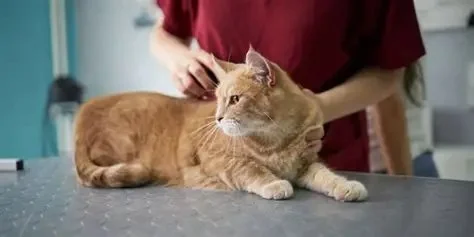
Routine vet visits are crucial for keeping your kitten healthy, especially when the seasons change. A vet will ensure that your kitten is up-to-date on vaccinations and preventative treatments, and they can also catch any potential issues before they become serious.
Regular check-ups provide an opportunity to discuss seasonal care with your vet, such as parasite prevention or adjusting diets for colder months. Additionally, kittens under a year old should receive multiple vaccinations to ensure they’re well protected throughout their development.

 Pets at Home Lincoln4.0 (1131 reviews)
 Chip and Scan5.0 (1 reviews)
 Pawsome Pad5.0 (10 reviews)
 Ribble Vets Wesham4.0 (66 reviews)
 Beechwood Veterinary Group, Chapel Allerton4.0 (105 reviews)
 Howgrave Lodge Cattery5.0 (21 reviews)
 The Importance of Exercise and Fitness for Senior Pets – UK Edition
 The Importance of Microchipping Your Pet in the UK: What Every Owner Must Know
 Dealing with Anxiety and Stress in Pets: Vet Advice for UK Owners
 How to Spot Signs of Arthritis in Older Pets | Early Detection and Management
 How to Improve Kittens Common Illnesses at Home
 How to Spot Signs of Arthritis in Older Pets: Key Indicators and Care Tips