
- common-signs-of-allergies-in-pets
- types-of-allergies-in-dogs-and-cats
- how-allergies-impact-pet-health-and-behaviour
- when-to-seek-professional-vet-care
- a-true-case-uk-cat-allergy-misdiagnosis
- managing-allergies-long-term-with-right-products
1. Common Signs of Allergies in Pets
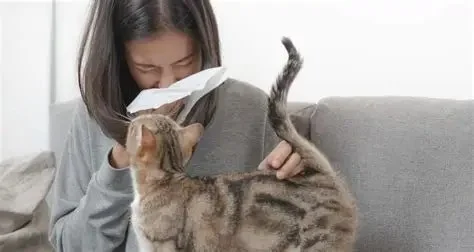
Recognising symptoms of allergies in dogs and cats can be tricky—many mimic other conditions. Common signs include excessive scratching, licking paws, red or irritated skin, recurrent ear infections, watery eyes, sneezing, and even digestive upset like vomiting or diarrhoea. For dogs, chewing their feet or rubbing their face against furniture is often a red flag. Cats may develop bald patches from over-grooming. These reactions shouldn’t be dismissed as “just seasonal.”

2. Types of Allergies in Dogs and Cats
UK pets can suffer from three main categories of allergies: environmental (e.g. pollen, mould, dust mites), food-related (like chicken or grain intolerance), and flea allergy dermatitis (FAD), where one bite triggers an intense reaction. Dogs are often more prone to environmental allergies, while cats may silently suffer from food sensitivities. Vets may recommend elimination diets, skin scrapings, or intradermal testing to isolate the trigger.

3. How Allergies Impact Pet Health and Behaviour
Left untreated, allergies can lead to chronic discomfort and even secondary infections. A dog scratching constantly can break the skin, introducing bacteria. Cats may become withdrawn or aggressive if their itching becomes overwhelming. Behavioural changes such as pacing, hiding, or restlessness can also hint at persistent irritation. Allergies are not simply a cosmetic or surface-level issue—they affect quality of life.
4. When to Seek Professional Vet Care
If you notice persistent scratching, hair loss, or digestive issues lasting more than a few days, consult your vet. Many pet owners in the UK mistake allergies for minor irritations and delay treatment, worsening the issue. Timely diagnosis can prevent discomfort and help your vet build a customised plan—often involving antihistamines, prescription diets, medicated shampoos or even immunotherapy for severe cases.
5. A True Case: UK Cat Allergy Misdiagnosis
In Manchester, a family believed their cat Luna had a behavioural issue after she started hiding and excessively licking her belly. They tried changing her litter and adjusting feeding times, but nothing helped. It wasn’t until their vet performed a diet trial that they discovered a beef protein allergy. Once switched to a hypoallergenic diet, Luna's anxiety and skin problems resolved. Many cases like hers are mistaken for stress—when in fact, food is the culprit.
6. Managing Allergies Long-Term With Right Products
Ongoing allergy management requires consistency and the right tools. Hypoallergenic pet foods, flea prevention, air purifiers, and sensitive-skin grooming products are all part of a long-term solution. Regular vet check-ups and adjustments are key, especially if symptoms flare with the seasons. At RegPets, we offer allergy-friendly diets, gentle grooming options, and vet-approved flea treatments that help UK pet owners stay ahead of allergy triggers all year round.




 Serenity Vet Services5.0 (96 reviews)
 Ayres Veterinary Hospital - North Shields3.0 (67 reviews)
 Nikki's Nesties5.0 (215 reviews)
 AMC Aquatics4.0 (59 reviews)
 Rawdirectuk5.0 (15 reviews)
 Love Aquatics4.0 (76 reviews)
 Complete Guide to Nutrition Tips for Hamsters: What Your Pet Needs to Stay Healthy
 Complete Guide to Preventive Care for Cats: Ensuring a Healthy Life for Your Feline Friend
 The Importance of Microchipping Your Pet in the UK: What Every Owner Must Know
 Dealing with Anxiety and Stress in Pets: Vet Advice on Managing Pet Stress
 Common Illnesses Explained: Keeping Your Cats Healthy in the UK
 What to Expect During Your Pet’s First Vet Visit