
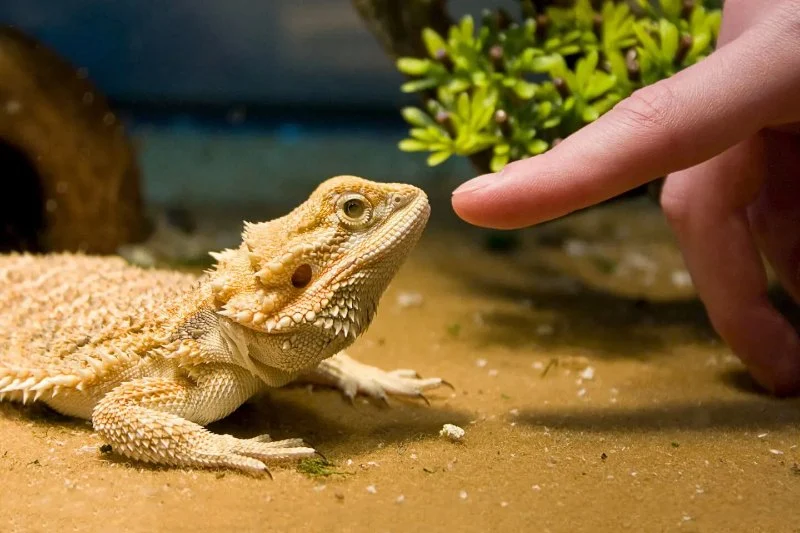
Complete Guide to Seasonal Health Tips for Reptiles
- 1 - Understanding Seasonal Health Needs of Reptiles
- 2 - Spring and Summer Health Tips for Reptiles
- 3 - Autumn and Winter Health Tips for Reptiles
- 4 - Importance of Temperature and Humidity
- 5 - Common Health Issues and How to Prevent Them
- 6 - Feeding Your Reptile According to the Season
- 7 - Managing Parasites and Illnesses in Different Seasons
- 8 - Conclusion and Where to Buy Reptile Care Products
1 - Understanding Seasonal Health Needs of Reptiles
Reptiles, being cold-blooded animals, are highly sensitive to changes in their environment, especially in terms of temperature, light, and humidity. As the seasons change, their metabolic processes, activity levels, and even their diet may need adjustments to stay healthy. Understanding these seasonal needs is essential for reptile owners to ensure their pets thrive throughout the year.

2 - Spring and Summer Health Tips for Reptiles
Spring and summer bring warmth and an increase in natural light, which can have a significant impact on your reptile’s health and activity levels. During these seasons, it's essential to ensure your pet's environment supports their needs for basking, hydration, and food intake.

2.1 Providing Adequate Heat and UVB Light
During the warmer months, it’s important to ensure your reptile has access to proper heat sources and UVB lighting. Many reptiles, like turtles and lizards, need UVB light to help synthesize vitamin D3, which is crucial for calcium absorption. Make sure to use UVB bulbs that cover the necessary spectrum and replace them every 6-12 months.
2.2 Hydration and Proper Diet
In the warmer weather, reptiles tend to become more active, which increases their water and food consumption. Ensure that your pet has fresh water available at all times. Consider offering a variety of food that reflects their natural diet—such as leafy greens for herbivores or live insects for carnivores. The increased activity may also lead to a higher metabolism, so adjusting food portions may be necessary.
2.3 Monitoring for Overheating
While reptiles enjoy warmth, they can overheat if their environment becomes too hot. Always monitor their basking area to ensure that the temperature remains within the recommended range. Signs of overheating can include excessive panting, lethargy, and lack of appetite. If you notice these signs, lower the temperature in their habitat to allow them to cool down.
3 - Autumn and Winter Health Tips for Reptiles
As the temperature drops in autumn and winter, reptiles may become less active, and some species may enter a state of brumation (a form of hibernation). Here are key considerations for reptile care during the colder months:
3.1 Reducing Temperature Gradually
As the weather cools, it’s important to gradually reduce the temperature in your reptile’s habitat. Avoid sudden drops in temperature, as this can stress your pet and lead to health issues. Ensure that the cooler temperatures are still within your reptile’s tolerance range.
3.2 Brumation and Resting Periods
Many reptiles naturally enter a period of reduced activity or brumation during the colder months. If your pet is entering brumation, make sure they are still provided with adequate hydration and are monitored closely for any signs of illness. If your reptile is not brumating, you may need to adjust their lighting and heat to maintain a stable environment for their health.
3.3 Adjusting Diet and Feeding Frequency
As reptiles slow down in the winter, their food intake may decrease. It’s important to adjust their diet accordingly. Offer smaller, more frequent meals, or consider fasting your reptile if they are brumating. Always ensure they are getting the nutrients they need to maintain healthy body weight and immunity.
4 - Importance of Temperature and Humidity
Temperature and humidity play a critical role in the overall health of reptiles throughout the year. Each species has its own specific requirements, so it’s essential to keep a close eye on these factors and adjust them as needed depending on the season.
4.1 The Role of Humidity in Health
Humidity levels are equally important as temperature. Many reptiles, such as amphibians and tropical species, require high humidity levels to maintain skin hydration and proper respiration. On the other hand, desert species need lower humidity levels to mimic their natural dry environments. Invest in a good hygrometer to monitor humidity levels in your pet's enclosure.
4.2 Temperature Fluctuations and Their Impact
Temperature fluctuations can lead to stress, which can compromise your reptile’s immune system. During the colder months, make sure to use heat sources like ceramic heat emitters or under-tank heaters to keep the environment warm, while also ensuring that there are cooler areas for your reptile to retreat to.
5 - Common Health Issues and How to Prevent Them
Seasonal changes can sometimes bring about common health issues in reptiles. Being aware of these and knowing how to prevent them is key to keeping your reptile healthy year-round.
5.1 Respiratory Infections
Respiratory infections are common in reptiles, especially during colder months when they are more likely to be exposed to sudden temperature drops. Symptoms may include wheezing, nasal discharge, and lethargy. Ensure your reptile’s habitat is properly heated, and avoid drafts.
5.2 Skin Shedding Problems
Reptiles undergo regular shedding, but environmental factors like low humidity can lead to incomplete shedding, which can cause skin issues. Make sure to maintain the right humidity levels for your species, and provide a shedding box or area for your reptile to help with the process.
6 - Feeding Your Reptile According to the Season
As reptiles’ activity levels change with the seasons, so does their nutritional needs. Here’s how to adjust their feeding schedule:
6.1 Spring and Summer Feeding Tips
During the warmer months, your reptile may require more frequent meals to accommodate their increased activity level. Ensure they receive a balanced diet, rich in vitamins and minerals. Depending on their species, they may also benefit from a higher intake of fresh fruits and vegetables.
6.2 Autumn and Winter Feeding Tips
In colder months, when reptiles are less active or brumating, you may need to reduce their feeding frequency. Some reptiles may stop eating entirely if they are brumating, so monitor them closely and ensure they are still hydrated.
7 - Managing Parasites and Illnesses in Different Seasons
Seasonal changes can affect the likelihood of parasite infestations. Understanding how to manage parasites in reptiles can help you prevent health issues during the year.
7.1 Regular Health Checks
Ensure your reptile receives regular health checks, especially during transitions between seasons. Look for signs of external parasites, such as mites or ticks, and internal parasites, which can affect digestion and overall health.
7.2 Preventive Treatments
Consult with your vet for preventive parasite treatments, especially in preparation for winter or breeding seasons, when reptiles are more susceptible to illnesses.
8 - Conclusion and Where to Buy Reptile Care Products
By following these seasonal health tips, you can ensure your reptile remains healthy and comfortable throughout the year. Whether it’s adjusting their environment, diet, or monitoring for health issues, seasonal care plays a crucial role in their well-being. For the best reptile care products, including heating lamps, UVB bulbs, and nutritional supplements, visit RegPets, where we offer top-quality products for your reptile's health and happiness.





 Immensek95.0 (10 reviews)
 Planted Terraria Exotics4.0 (120 reviews)
 Rase Veterinary Centre - Scawthorpe4.0 (102 reviews)
 Carrick Veterinary Group - Chesterfield4.0 (120 reviews)
 Frame & Swift Limited4.0 (250 reviews)
 Catmose Vets5.0 (26 reviews)
 Vet-Approved Weight Management for Guinea Pigs – UK Care Guide
 How to Manage Your Pet’s Weight and Prevent Obesity
 Emergency Vet Advice for Dogs in the UK – Essential for Pet Health
 Complete Guide to Nutrition Tips for Hamsters
 How to Spot Signs of Arthritis in Older Pets: Key Indicators and Care Tips
 Best Practices for Allergy Care in Senior Pets