

First Aid Tips Explained: Keeping Your Puppies Healthy in the UK
- 1. Common Health Issues in Puppies
- 2. Essential First Aid Skills for Puppy Owners
- 3. How to Treat Minor Injuries and Illnesses in Puppies
- 4. When to Seek Veterinary Help
- 5. Preventive Care and Safety Tips for Puppies
1. Common Health Issues in Puppies
Puppies are prone to a variety of health issues, especially in their early months. Understanding the common conditions that affect puppies can help you respond quickly to any signs of illness. Here are a few common health issues you may encounter:

1.1 Parvovirus
Parvovirus is a highly contagious viral infection that can cause severe gastrointestinal issues in puppies. Symptoms include vomiting, diarrhea (often bloody), and lethargy. If you suspect your puppy has parvovirus, it’s essential to seek immediate veterinary care as this can be fatal if left untreated.

1.2 Fleas and Ticks
Fleas and ticks are common parasites that can affect puppies. They cause itching, skin irritation, and can lead to more serious issues like Lyme disease or anemia. Regular flea and tick prevention treatments are crucial for keeping your puppy safe.
1.3 Kennel Cough
Also known as canine infectious respiratory disease, kennel cough causes coughing, sneezing, and nasal discharge. It's highly contagious but generally not life-threatening. However, it’s important to get your puppy checked to ensure it doesn’t develop into a more serious condition.
1.4 Digestive Upset
Due to their sensitive stomachs, puppies can often experience digestive issues, including diarrhea and vomiting. This can be caused by sudden changes in diet, eating something they shouldn't, or stress. While mild cases can be managed at home, persistent symptoms require a visit to the vet.
2. Essential First Aid Skills for Puppy Owners
Knowing basic first aid for puppies is essential for every dog owner. Emergencies can happen at any time, and being prepared will help you handle situations calmly and efficiently. Here are a few first aid skills every puppy owner should know:
2.1 How to Perform CPR on a Puppy
If your puppy stops breathing or their heart stops beating, performing CPR could save their life. To perform CPR on a puppy, place them on a firm surface and tilt their head back to open the airway. Give two rescue breaths, then start chest compressions using your fingers (for small puppies) or the palm of your hand (for larger puppies). Continue alternating between compressions and breaths until help arrives or the puppy starts breathing again.
2.2 Stopping Bleeding
If your puppy has a cut or injury that is bleeding, it’s important to stop the bleeding quickly. Apply pressure to the wound with a clean cloth or bandage until the bleeding slows or stops. If the wound is deep or doesn’t stop bleeding, take your puppy to the vet immediately.
2.3 Treating Burns
If your puppy experiences a burn (from heat, chemicals, or electricity), the first step is to cool the area immediately with cold running water for at least 10 minutes. Never apply ointment or ice directly to a burn. After cooling the burn, cover it with a clean, dry cloth and seek veterinary care as soon as possible.
2.4 Recognizing Signs of Shock
Shock can occur after injury, blood loss, or severe illness. Symptoms of shock include rapid breathing, weak pulse, pale gums, and confusion. If your puppy shows signs of shock, keep them calm and warm, and transport them to the vet immediately.
3. How to Treat Minor Injuries and Illnesses in Puppies
Many minor injuries and illnesses can be treated at home, especially if you’re familiar with basic first aid. Here are some common conditions and how to address them:
3.1 Scrapes and Cuts
For small cuts and scrapes, clean the area with mild soap and water, then apply an antiseptic. Cover the wound with a sterile bandage if necessary. Keep an eye on the injury for signs of infection, such as redness, swelling, or discharge.
3.2 Upset Stomach
If your puppy has an upset stomach, stop feeding them for 12-24 hours to allow their digestive system to rest. Offer small amounts of water to prevent dehydration. If vomiting or diarrhea persists, contact your vet.
3.3 Mild Ear Infections
If your puppy has an ear infection, you may notice scratching, head shaking, or a foul smell. Clean the outer ear with a damp cloth and avoid inserting anything into the ear canal. For a more severe infection, consult your vet for proper treatment.
4. When to Seek Veterinary Help
While minor injuries and illnesses can often be managed at home, there are times when you should seek professional veterinary care. Some signs that require a vet’s attention include:
4.1 Persistent Vomiting or Diarrhea
If your puppy is vomiting or has diarrhea for more than 24 hours, or if it’s accompanied by lethargy, dehydration, or blood in the stool, it’s important to contact your vet.
4.2 Breathing Difficulties
If your puppy is having trouble breathing, it could be a sign of a serious health issue, such as a respiratory infection or foreign object obstruction. Seek immediate veterinary care.
4.3 Inability to Walk or Limping
If your puppy is unable to walk or is limping, it could indicate a serious injury, such as a fracture or dislocation. A vet will need to examine the puppy and provide treatment.
5. Preventive Care and Safety Tips for Puppies
Preventing injuries and illnesses is always better than treating them. Here are some essential tips to keep your puppy healthy and safe:
5.1 Regular Vet Check-ups
Regular check-ups with a vet are essential for keeping your puppy healthy. These visits help ensure vaccinations are up to date, and early signs of health issues can be caught before they become serious.
5.2 Puppy-proof Your Home
Just like baby-proofing your home, puppy-proofing helps keep your curious pup safe. Keep sharp objects, toxic substances, and small items that could be swallowed out of reach.
5.3 Provide a Balanced Diet
A balanced diet is essential for your puppy’s growth and development. Consult your vet about the best food for your puppy’s breed, age, and size, and avoid overfeeding or underfeeding.
If you're looking for puppy care products or need professional advice, visit RegPets for the best recommendations and services tailored to your puppy’s needs.


 Rawsome Dog Treats0.0 (0 reviews)
 Animates Veterinary Clinic4.0 (450 reviews)
 Pet Foods Plus4.0 (29 reviews)
 Gateshead PDSA Pet Hospital4.0 (1383 reviews)
 TARANTULA ROOM LIMITED4.0 (9 reviews)
 Pets Pantry4.0 (28 reviews)
 Expert Vet Advice on Travel Safety for Exotic Pets
 Top 10 Preventive Care Every Rabbit Owner in the UK Should Know
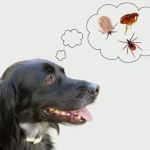 Flea and Tick Prevention for Pets in the UK
 Best Practices for Mental Health in Exotic Pets: Expert Tips
 Expert Vet Advice on Preventive Care for Cats: Keep Your Cat Healthy
 How Often Should You Take Your Pet for a Health Checkup?