

- understanding-common-health-issues-in-uk-pets
- obesity-the-silent-threat-to-pet-wellbeing
- dental-disease-and-how-to-prevent-it
- parasites-worms-and-fleas-in-uk-conditions
- chronic-conditions-in-older-pets
- vaccination-neglect-and-emerging-risks
- how-to-access-quality-preventive-services
1. Understanding Common Health Issues in UK Pets
In the UK, pets are cherished members of the family, yet many suffer from preventable health issues due to lack of awareness or delayed intervention. The climate, lifestyle, and even cultural habits in the UK contribute to specific trends in pet illnesses—from flea infestations in damp months to dental issues in indoor cats. Understanding these patterns is the first step towards a healthier, happier life for our furry companions.
Veterinary experts across Britain frequently report preventable illnesses as the most common reason for clinic visits. Early education and proactive care can reduce the risk of chronic suffering, expensive treatments, and heartbreaking outcomes.

Westpoint Farm Vets, Daventry
The Loft, Elkington Lodge, Elkington Rd, Northampton NN6 6HE, UK
2. Obesity: The Silent Threat to Pet Wellbeing
Obesity in pets, particularly dogs and cats, is reaching critical levels in the UK. According to the PDSA, over a quarter of dogs in the UK are overweight. Overfeeding, lack of exercise, and calorie-rich treats are the primary culprits.
Take Benji, a Labrador from Manchester. At six years old, he weighed 42kg—nearly 10kg over his healthy range. After developing arthritis and lethargy, his vet warned of long-term damage. With a tailored diet and daily exercise, Benji shed the extra pounds and returned to his energetic self within six months.
Prevent obesity by sticking to portion control, avoiding human food scraps, and keeping pets physically engaged. If unsure, consult your vet or use tools on platforms like RegPets to compare pet food types and get personalised feeding advice.

3. Dental Disease and How to Prevent It
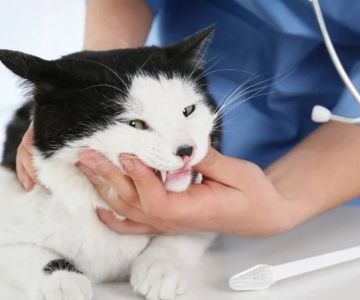
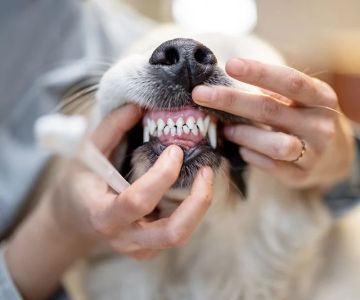
Dental problems often go unnoticed until a pet starts refusing food or displays signs of pain. Tartar build-up, gingivitis, and infected teeth are particularly common in older cats and small dog breeds.
Preventative steps include regular brushing (with pet-safe toothpaste), dental chews, and annual vet checks. The earlier the intervention, the easier it is to prevent painful tooth extractions or infections that can spread to vital organs.
4. Parasites: Worms and Fleas in UK Conditions
Fleas thrive in the UK’s humid climate and can infest homes rapidly. Meanwhile, tapeworms and roundworms pose dangers not only to pets but also to humans—especially children. Deworming should be part of every responsible owner’s care routine.
Case in point: a family in Kent discovered their indoor cat had brought fleas into the home via their dog’s bedding. Their local vet traced the issue to an inconsistent flea prevention schedule. A quick switch to a year-round prevention plan eliminated the problem within weeks.
Use vet-approved treatments regularly and avoid relying solely on over-the-counter products, as many offer limited protection. RegPets offers guidance on choosing effective parasite control suited for your pet and location.
5. Chronic Conditions in Older Pets
As pets age, they become more vulnerable to chronic conditions like kidney disease, arthritis, diabetes, and cognitive decline. These issues often progress silently, making routine checkups essential.
Spotting subtle changes—like increased water intake, stiffness, or confusion—is key. Maggie, a 12-year-old tabby from Bristol, began sleeping near her litter box. Her vet diagnosed early-stage kidney disease, and with dietary adjustments, Maggie’s quality of life remained high for years to come.
Preventive care through regular blood panels and geriatric wellness plans can detect issues early. Many UK clinics now offer senior-pet packages to monitor such risks affordably.
6. Vaccination Neglect and Emerging Risks
Though most UK pet owners vaccinate as puppies or kittens, booster compliance drops sharply with time. This gap has led to rising cases of preventable diseases such as parvovirus, leptospirosis, and feline leukaemia.
Recent outbreaks in rural Yorkshire prompted local vets to issue community warnings after several unvaccinated dogs succumbed to parvo. These tragedies are avoidable. Ensure your pet’s vaccination schedule is up to date and suited to their lifestyle—whether that’s daily walks in muddy parks or visits to catteries.
7. How to Access Quality Preventive Services
Prevention is not just better than cure—it’s also cheaper and kinder. In the UK, pet wellness plans are becoming increasingly popular. These often include vaccinations, flea treatments, regular checkups, and discounts on services.
For those unsure where to start, RegPets is a trusted resource to compare vet clinics, subscribe to wellness packages, and purchase vet-recommended products. It's all about giving your pet the long, healthy life they deserve.




 The Veterinary Clinic4.0 (95 reviews)
 Elswick Cattery4.0 (21 reviews)
 Oakham Veterinary Hospital Equine4.0 (349 reviews)
 Glenbeets Cattery5.0 (11 reviews)
 Waggy Woofers5.0 (5 reviews)
 Little miss piggy0.0 (0 reviews)
 Pet Dental Care: Why Regular Vet Visits Matter in the UK
 How to Spot Signs of Arthritis in Older Pets in the UK
 UK Pet Owner’s Guide to Preventive Care for Rabbits: Tips for a Healthy Pet
 Dealing with Anxiety and Stress in Pets: Vet Advice for UK Owners
 How to Handle Emergency Situations with Your Pet | Pet Safety Tips
 Complete Guide to Nutrition Tips for Hamsters