
- 01-sudden-behavioural-changes
- 02-loss-of-appetite-or-excessive-thirst
- 03-laboured-or-fast-breathing
- 04-vomiting-and-diarrhoea
- 05-unusual-lumps-or-swelling
- 06-mobility-issues-or-lameness
- 07-bleeding-or-injury
- 08-persistent-coughing-or-sneezing
- 09-trouble-urinating-or-defecating
- 10-seizures-or-collapse
1. Sudden Behavioural Changes
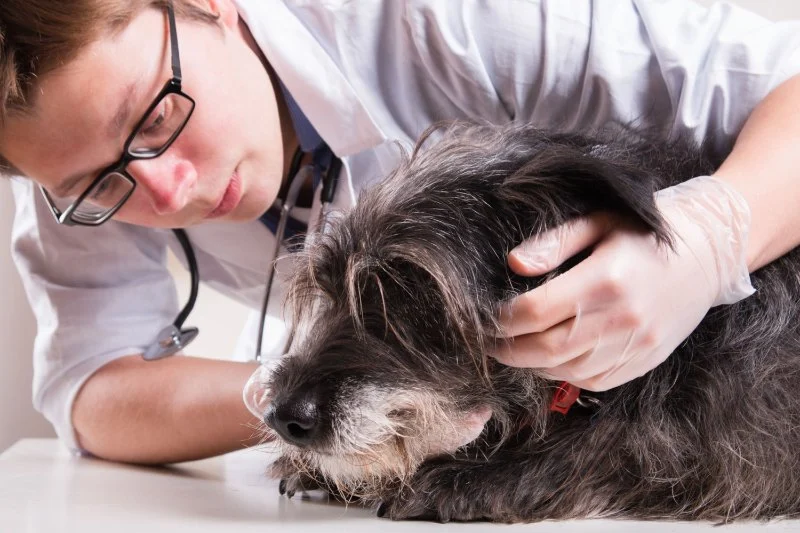
If your normally playful dog suddenly hides or shows aggression, or your cuddly cat becomes withdrawn, it could signal pain or distress. UK vets often report these changes as the first red flag of internal illness or neurological trouble. Don’t wait—these behaviours warrant prompt professional assessment.

Rase Veterinary Centre - Gainsborough
Shop 2, Heapham Rd, Gainsborough DN21 1SH, UK
2. Loss of Appetite or Excessive Thirst
Skipping meals occasionally may be normal, but refusing food for more than 24 hours is not. On the flip side, if your pet suddenly drinks much more water than usual, it could indicate conditions like diabetes or kidney disease—common concerns in older pets across the UK.

The cats whiskers Wiswell
Tithe Barn Cottage, Pendleton Rd, Wiswell, Clitheroe BB7 9BZ, UK
3. Laboured or Fast Breathing
Laboured breathing, wheezing, or panting excessively even at rest can signal heart or lung problems. Especially in brachycephalic breeds (like Pugs or British Shorthairs), such symptoms require immediate vet evaluation due to the risk of airway obstruction.
4. Vomiting and Diarrhoea
One episode of vomiting or diarrhoea may not be alarming—but multiple episodes within 24 hours, especially with lethargy or blood, indicate an emergency. Parasites, toxins, or gastrointestinal blockages are all possibilities, particularly for pets that scavenge in parks or gardens.
5. Unusual Lumps or Swelling
A sudden lump could be a harmless cyst—or a sign of cancer. UK vets stress early detection as key. One London vet shared how a client’s quick action on a pea-sized lump led to early-stage mast cell tumour removal and a full recovery. If you feel something new under your pet’s skin, get it checked.
6. Mobility Issues or Lameness
If your pet is limping, hesitating on stairs, or unable to stand, it may be due to injury, arthritis, or neurological disorders. Sudden lameness should never be ignored. Early treatment can prevent long-term damage. At RegPets, we often recommend mobility aids and supplements suited for recovery support.
7. Bleeding or Injury
Obvious trauma, bleeding, or limping after rough play or road incidents demands immediate care. Even minor bites can become infected fast. Especially in rural UK areas where hedgehog or fox interactions are common, small wounds can hide serious punctures.
8. Persistent Coughing or Sneezing
Chronic coughing or nasal discharge could suggest infections like kennel cough or feline flu. It may also indicate heartworm, which—while rare in the UK—is on the rise with increased pet travel. A timely vet check ensures proper diagnosis and treatment.
9. Trouble Urinating or Defecating
Straining in the litter box or frequent urination attempts with no results are alarming. Male cats especially are prone to urinary blockages, a life-threatening emergency. Don’t delay—a vet visit could save your pet’s life.
10. Seizures or Collapse
A seizure, even if brief, always needs veterinary investigation. Causes range from epilepsy to poisoning. Collapse, especially after exertion or heat, also suggests urgent concern. Keep your pet calm and seek immediate medical help.
Every attentive UK pet owner should be prepared to recognise the signs of serious health issues. If you notice any of the above, don’t “wait and see.” Your timely action could be life-saving. For vet-approved supplies, recovery aids, and professional guidance, you can always turn to RegPets—where your pet’s wellbeing is our top priority.




 Smith's Aquatics0.0 (0 reviews)
 Pets at Home Leicester Beaumont4.0 (1019 reviews)
 Irish Koi | Japanese Koi Northern Ireland5.0 (1 reviews)
 Gatehouse Veterinary Group4.0 (490 reviews)
 Ribble Valley Animal Feeds4.0 (69 reviews)
 Ryedale Vets - Helmsley4.0 (137 reviews)
 How to Spot Signs of Arthritis in Older Pets: Key Indicators and Care Tips
 How to Manage Your Pet’s Weight and Prevent Obesity: A Complete Guide
 Essential Tips for Caring for Senior Pets in the UK
 How to Handle Emergency Situations with Your Pet in the UK
 Complete Guide to Puppy and Kitten Care for Birds – Essential Tips for Pet Owners
 Recognising Symptoms of Allergies in Dogs and Cats