
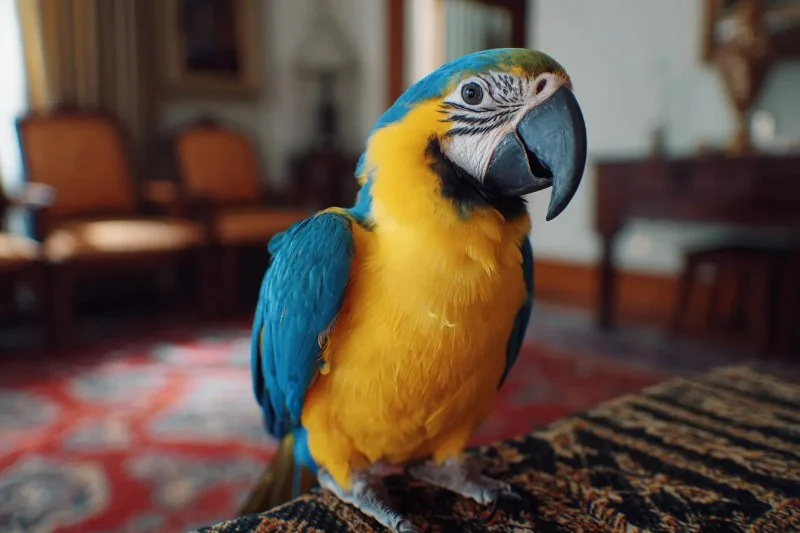
- Why Regular Bird Health Checkups Matter
- Common Health Problems Seen in Pet Birds
- Early Warning Signs UK Bird Owners Should Never Ignore
- What Happens During a Bird Health Checkup
- How Often Should Pet Birds See a Vet
- Nutrition Mistakes That Often Cause Health Issues
- Real Life Story How One Small Symptom Saved a Parrot’s Life
- Creating a Healthier Home Environment for Pet Birds
- Seasonal Health Risks for Birds in the UK
- How to Build a Long Term Health Routine for Your Bird
Why Regular Bird Health Checkups Matter
Birds are incredibly skilled at hiding illness. In the wild, showing weakness can make them vulnerable to predators, and that instinct still exists in domesticated birds today. This is one of the biggest reasons regular bird health checkups are so important for UK pet owners.
Unlike dogs or cats, birds often appear healthy until a condition has already become serious. A budgie that suddenly stops singing, a cockatiel that spends more time sleeping, or a parrot with slightly puffed feathers may already be dealing with underlying illness.
Many first-time bird owners underestimate how sensitive avian health can be. Temperature changes, poor diet, stress, dirty cages, and even household fumes can impact a bird’s wellbeing far faster than most people expect.
Vets4Pets - Middlesbrough Cleveland Park
Inside Pets at Home, Cleveland Retail Park, Middlesbrough TS6 6UX, UK
1. Birds Age Faster Than Many Owners Realise
Small birds such as finches and budgies can experience noticeable health decline within a short period if problems are left untreated. Even larger parrots, which can live for decades, require ongoing preventive care to maintain healthy organs and feathers.

Bishopton Veterinary Group York
Unit 3, The Steading Holtby Manor, Stamford Bridge Rd, York YO19 5LL, UK
2. Preventive Care Is Often Less Expensive Than Emergency Treatment
Routine health examinations can detect issues before they become severe. Many avian veterinarians in the UK regularly identify early respiratory infections, nutritional deficiencies, or liver problems during annual checkups.
3. A Healthy Bird Behaves Differently
Experienced bird owners often say they can “feel” when something changes in their bird’s personality. Reduced activity, unusual silence, or sudden aggression may all signal discomfort or illness.
Many bird enthusiasts now use platforms like RegPets to compare bird care products, cage accessories, nutrition solutions, and pet wellness recommendations suited for different species.
Common Health Problems Seen in Pet Birds
Pet birds in the UK face several common health concerns, especially when diet or environment is not ideal. Understanding these risks helps owners recognise issues earlier.
1. Respiratory Infections
Bird respiratory systems are extremely delicate. Aerosol sprays, cigarette smoke, scented candles, and even overheated non-stick cookware can release fumes dangerous to birds.
Signs to Watch For
- Tail bobbing while breathing
- Clicking sounds during breathing
- Nasal discharge
- Open-mouth breathing
2. Feather Plucking
Feather destruction is one of the most discussed avian behavioural problems online. In many cases, it stems from stress, boredom, poor nutrition, or loneliness.
Why It Is Often Misunderstood
Some owners assume feather plucking is purely behavioural, but medical conditions can also trigger it. Skin infections, parasites, and hormonal imbalance may all contribute.
3. Obesity and Fatty Liver Disease
Seed-only diets remain surprisingly common among UK bird owners despite veterinary warnings. While birds love seeds, excessive fat intake can lead to obesity and liver disease.
4. Beak and Nail Overgrowth
Improper diet and lack of natural wear surfaces can cause excessive growth that affects feeding and movement.
Early Warning Signs UK Bird Owners Should Never Ignore
One of the hardest parts of bird ownership is recognising subtle illness symptoms before they become emergencies.
1. Changes in Droppings
Bird droppings reveal a surprising amount about health. Significant changes in colour, consistency, or frequency deserve attention.
Common Concerns
Very watery droppings, dark discolouration, or undigested food particles may indicate illness.
2. Reduced Vocalisation
Birds that suddenly become quiet often concern experienced owners immediately.
3. Feather Puffing for Long Periods
Occasional fluffing is normal, especially during sleep, but persistent puffing can indicate fever or weakness.
4. Weight Loss
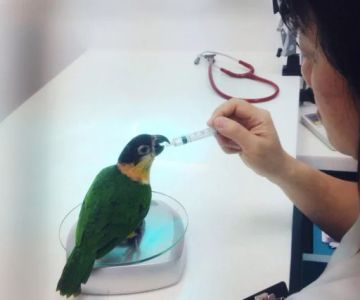
Birds can lose dangerous amounts of weight quickly. Regular weighing using a digital gram scale is one of the most effective preventive habits.
5. Sitting at the Bottom of the Cage
This is often considered an emergency warning sign and should never be ignored.
What Happens During a Bird Health Checkup
Many UK pet owners feel nervous before their bird’s first veterinary visit because they do not know what to expect.
1. Physical Examination
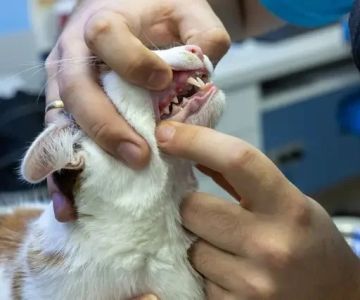
An avian vet typically examines feather condition, eyes, nostrils, beak alignment, breathing patterns, and body weight.
2. Weight Monitoring
Weight tracking is extremely important because birds often hide illness until significant weight loss occurs.
3. Nutritional Review
Many bird health consultations involve detailed feeding discussions.
Questions a Vet May Ask
- Does the bird eat pellets or only seeds?
- What fresh vegetables are offered?
- How often are treats provided?
- How much exercise does the bird receive?
4. Laboratory Testing
Some wellness checkups include blood testing, faecal analysis, or parasite screening depending on the species and symptoms.
How Often Should Pet Birds See a Vet
Many UK bird owners only visit the vet during emergencies, but preventive appointments are strongly recommended.
1. Annual Health Checks
Healthy adult birds should generally receive a wellness exam at least once per year.
2. Senior Birds Need More Frequent Monitoring
Older parrots and long-lived species may benefit from twice-yearly evaluations.
3. Newly Adopted Birds Require Early Screening
Birds introduced into multi-bird households should ideally receive health screening before contact with other birds.
4. Why Timing Matters in Avian Medicine
Bird illnesses can progress rapidly. Waiting even a few days after noticing symptoms sometimes makes treatment far more difficult.
Nutrition Mistakes That Often Cause Health Issues
Nutrition remains one of the most overlooked aspects of bird ownership.
1. Seed-Only Diets
While seeds are popular and convenient, they rarely provide balanced nutrition long term.
Common Problems Linked to Poor Diet
- Vitamin A deficiency
- Obesity
- Poor feather quality
- Liver disease
2. Unsafe Human Foods
Some foods commonly found in British households can be toxic to birds.
Dangerous Foods Include
- Avocado
- Chocolate
- Caffeine
- Alcohol
- Onions
3. Lack of Fresh Vegetables
Leafy greens, carrots, peppers, and broccoli provide important nutrients many birds lack.
4. Water Hygiene Is Frequently Ignored
Dirty water bowls encourage bacterial growth surprisingly quickly.
Some bird owners discover better feeding systems, healthier treats, and species-specific nutrition recommendations through RegPets while researching long-term avian wellness strategies.
Real Life Story How One Small Symptom Saved a Parrot’s Life
A UK African Grey parrot owner shared an experience online that resonated strongly with bird communities. The bird appeared mostly healthy but became slightly quieter over several days. There were no dramatic symptoms, no collapse, and no obvious breathing distress.
The owner almost delayed the vet visit because the changes seemed minor. Fortunately, they decided to schedule a checkup anyway.
The avian vet discovered an early respiratory infection that could have become life-threatening within days. After treatment, the parrot recovered fully.
1. Why Small Behaviour Changes Matter So Much
Birds rarely show dramatic symptoms early. Tiny behaviour changes may represent the first visible sign of disease.
2. Online Communities Are Increasing Awareness
Social media and pet forums have helped educate bird owners about subtle warning signs that older generations often overlooked.
Creating a Healthier Home Environment for Pet Birds
Bird wellness involves much more than cage cleaning and feeding.
1. Air Quality Is Extremely Important
Bird lungs are highly efficient but also highly sensitive.
Household Risks Include
- Smoke
- Strong cleaning chemicals
- Scented sprays
- Cooking fumes
2. Mental Stimulation Matters
Intelligent birds such as parrots require enrichment to prevent stress and destructive behaviour.
Useful Enrichment Ideas
- Foraging toys
- Rotating perches
- Interactive play sessions
- Puzzle feeders
3. Sleep Quality Affects Health
Birds need proper darkness and quiet for healthy sleep cycles. Chronic sleep disruption can weaken immune function.
4. Safe Cage Placement
Cages should avoid direct draughts, kitchen fumes, and constant high-traffic stress.
Seasonal Health Risks for Birds in the UK
British weather creates unique seasonal challenges for indoor birds.
1. Winter Heating Problems
Indoor heating systems often reduce humidity levels significantly during winter months.
Potential Effects
- Dry skin
- Feather irritation
- Respiratory sensitivity
2. Summer Heat Stress
Although UK summers are generally milder than some countries, heatwaves can still affect birds rapidly.
3. Reduced Daylight During Winter
Changes in daylight exposure can influence bird behaviour and hormonal cycles.
4. Increased Holiday Stress
Christmas gatherings, fireworks, and noisy celebrations often increase anxiety in sensitive birds.
How to Build a Long Term Health Routine for Your Bird
The healthiest birds usually benefit from consistency more than anything else.
1. Monitor Weight Weekly
Small weight changes often appear before obvious illness symptoms.
2. Keep a Behaviour Journal
Tracking appetite, vocalisation, moulting, and activity patterns helps identify subtle health changes earlier.
3. Schedule Preventive Vet Visits
Annual avian wellness checks build long-term familiarity between your bird and the veterinary clinic, reducing stress during future visits.
4. Continue Learning About Avian Care
Bird care recommendations evolve constantly as veterinary understanding improves.
5. Invest in Better Daily Care Habits
High-quality food, safe toys, clean water systems, and proper cage design all contribute to healthier and happier birds over time.
For UK pet owners researching health checkups tips for birds, understanding subtle warning signs and preventive care routines can dramatically improve a bird’s quality of life. Whether caring for a playful budgie, a curious cockatiel, or a highly intelligent African Grey parrot, staying proactive about avian wellness makes a significant difference. Many experienced bird enthusiasts continue exploring RegPets for trusted bird care products, feeding ideas, enrichment tools, and practical wellness recommendations designed to support healthier long-term pet ownership.


 Pets at Home Hull4.0 (1809 reviews)
 Tasty Treatos5.0 (1 reviews)
 Kirkham Pet Centre4.0 (35 reviews)
 Equine veterinary Dentist Ltd5.0 (61 reviews)
 The Pet Vet4.0 (750 reviews)
 Floofsville Ltd5.0 (4 reviews)
 Expert Vet Advice on Behaviour Training for Hamsters
 Best Practices for Exercise and Fitness in Puppies: Keeping Your Dog Healthy and Active
 Exercise and Fitness Explained: Keeping Your Exotic Pets Healthy in the UK
 Expert Vet Advice on Common Illnesses for Puppies in the UK
 The Importance of Parasite Prevention for Senior Pets in the UK
 Dealing with Anxiety and Stress in Pets: Vet Advice for UK Pet Owners