
- 1 - Identifying Common Bird Illnesses
- 2 - Top 5 Common Bird Illnesses and How to Treat Them
- 3 - Prevention Tips to Keep Your Bird Healthy
- 4 - When to Consult a Veterinarian
1 - Identifying Common Bird Illnesses
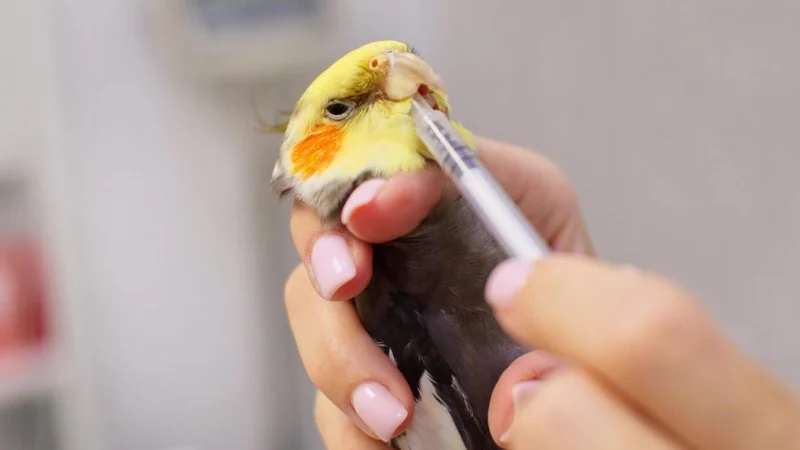
As a bird owner in the UK, it's essential to stay vigilant about your bird’s health. Birds are masters at hiding illness, so it’s crucial to look for subtle signs of sickness. Many common bird illnesses can be treated at home if caught early, but identifying the symptoms promptly is key to successful treatment.
Some of the most common symptoms that may indicate an illness in your pet bird include:
- Changes in Appetite: A significant decrease or increase in appetite can be a sign of illness.
- Fluffed Feathers: When a bird is sick, it may puff up its feathers to conserve body heat.
- Changes in Droppings: Abnormal droppings, such as watery or unusually colored stool, can indicate digestive issues or infections.
- Lethargy: If your bird seems unusually tired or less active than usual, it might be unwell.
By monitoring your bird closely, you can spot these signs early and take action to improve their health at home. For more information on bird care, explore RegPets for helpful resources and pet supplies.

2 - Top 5 Common Bird Illnesses and How to Treat Them
Birds are prone to a variety of illnesses, but with the right care, many can be treated effectively at home. Here are the top 5 common bird illnesses and how to treat them:
- Feather Plucking: This is a common behavior issue often linked to stress, boredom, or a lack of stimulation. Treatment involves enriching your bird’s environment with toys, perches, and regular interaction. In severe cases, consult with a vet for behavioral therapy or medication.
- Respiratory Infections: Birds with respiratory infections may exhibit wheezing, nasal discharge, or labored breathing. To treat mild respiratory issues, ensure proper ventilation in their living area and keep them warm. If symptoms persist, antibiotics prescribed by a veterinarian may be necessary.
- Psittacosis: Known as parrot fever, this bacterial infection is transmitted by birds. Symptoms include lethargy, nasal discharge, and eye discharge. If you suspect psittacosis, isolate the bird and consult a vet for proper diagnosis and treatment.
- Diarrhea: Diarrhea can be caused by bacterial infections, stress, or poor diet. To treat mild cases, provide fresh water and offer a bland diet. If the diarrhea continues, seek advice from a veterinarian.
- Egg Binding: Female birds may sometimes become egg-bound, which can be dangerous. Symptoms include lethargy, straining, and puffed-up feathers. If you suspect egg binding, it’s crucial to take your bird to the vet immediately for treatment, which may include medication or surgery in severe cases.
While these illnesses can often be treated at home, it’s important to seek veterinary care if your bird’s condition worsens or doesn’t improve. Visit RegPets for helpful bird care products and advice on keeping your pet healthy.

Aquapaws Canine Hydrotherapy & Fun Swim
4a, 424 Carlton Rd, Carlton, Barnsley S71 3HX, UK
3 - Prevention Tips to Keep Your Bird Healthy
Preventing illness is always better than treating it. Here are some prevention tips that every bird owner in the UK should follow to keep their bird in top health:
- Provide a Balanced Diet: A healthy, balanced diet is essential for your bird’s overall health. Ensure they receive fresh fruits, vegetables, and high-quality pellets to meet their nutritional needs.
- Maintain Cleanliness: Regularly clean your bird’s cage, food and water dishes, and toys to prevent the growth of harmful bacteria.
- Exercise and Mental Stimulation: Birds need plenty of exercise and mental stimulation to stay happy and healthy. Provide a variety of toys, perches, and opportunities for physical activity.
- Annual Health Checks: Even if your bird seems healthy, it’s a good idea to take them for a routine check-up with an avian vet at least once a year. This will help catch any underlying health issues early.
By following these prevention tips, you can help ensure that your bird remains in good health and free from common illnesses. If you need pet supplies to support your bird’s well-being, check out RegPets for the best selection of bird care products.
4 - When to Consult a Veterinarian
While many common bird illnesses can be treated at home, it’s important to know when to consult a veterinarian. If your bird’s condition doesn’t improve after a few days of at-home care, or if they show any of the following signs, it’s time to seek professional help:
- Severe Lethargy: If your bird is excessively tired and shows no interest in eating or drinking, it could be a sign of a serious health issue.
- Loss of Appetite: A bird that refuses to eat for more than 24 hours should be seen by a vet.
- Behavioral Changes: Sudden changes in behavior, such as aggression or excessive fear, could be an indication of illness or injury.
- Persistent Vomiting or Diarrhea: If your bird vomits or has diarrhea for an extended period, it’s important to get veterinary care to prevent dehydration or other complications.
Don’t hesitate to seek veterinary help when in doubt. Early intervention can make a significant difference in your bird’s recovery and quality of life. For more bird care advice and supplies, visit RegPets, your go-to resource for all things pet care.



 Milners pet & garden supplies4.0 (3 reviews)
 A P Lee Vets4.0 (89 reviews)
 Calder Vets in Waterloo4.0 (52 reviews)
 Rase Veterinary Centre4.0 (122 reviews)
 Medivet Netherfield4.0 (133 reviews)
 K9Bonus Ballynahinch4.0 (17 reviews)
 Flea and Tick Prevention for Pets in the UK: Essential Tips
 Health Checkups Explained: Keeping Your Fish Healthy in the UK
 Top 10 Urgent Signs Your Pet Needs to See a Vet in the UK
 Top 10 Behaviour Training Every Guinea Pigs Owner in the UK Should Know
 Exercise and Fitness Explained: Keeping Your Exotic Pets Healthy in the UK
 Expert Vet Advice on Weight Management for Senior Pets