
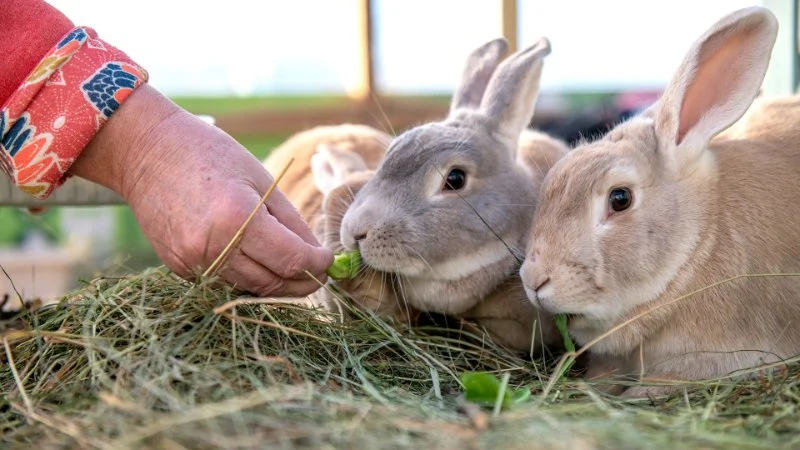
- The Importance of Proper Nutrition for Rabbits
- Essential Foods for Rabbits
- Foods to Avoid for Rabbits
- Maintaining a Balanced Rabbit Diet
- Supplements for Rabbit Health
- Where to Buy Rabbit Food and Supplies – RegPets
The Importance of Proper Nutrition for Rabbits
Rabbits, like all pets, need a balanced diet to maintain optimal health and well-being. Proper nutrition plays a vital role in ensuring that your rabbit stays active, happy, and free from health problems. In the wild, rabbits forage for a variety of plants, including grasses, herbs, and vegetables. As a pet owner, it's essential to mimic this natural diet as closely as possible, providing your rabbit with the necessary nutrients to thrive.
In the UK, where climate and available resources may vary, it’s important to ensure that your rabbit's diet is well-rounded and meets all their nutritional needs. This includes not only the right types of food but also the proper portions and frequency to keep them healthy.

Essential Foods for Rabbits
Rabbits require a specific combination of fibre, protein, vitamins, and minerals to stay healthy. Here are the key foods you should include in your rabbit’s diet:
- Hay: Hay is the most important part of your rabbit's diet. It should be available to them at all times. Hay provides essential fibre for proper digestion and helps prevent obesity and other health issues. Timothy hay, meadow hay, and orchard grass are excellent choices.
- Fresh Vegetables: Leafy greens such as spinach, kale, and parsley are great for providing your rabbit with necessary vitamins and minerals. Introduce a variety of vegetables, but always avoid iceberg lettuce, as it can cause digestive issues.
- Pellets: Choose high-quality pellets that are rich in fibre and low in sugar. These should be a supplement to your rabbit’s main diet of hay and vegetables.
- Fresh Fruits: Fruits such as apples, strawberries, and bananas can be offered in moderation as treats. They are high in natural sugars, so be cautious not to overfeed them.
Foods to Avoid for Rabbits
While rabbits are herbivores, there are certain foods that should never be given to them. These foods can cause serious health problems, such as digestive upset, obesity, or even toxicity. Be sure to avoid the following:
- Processed Foods: Avoid feeding your rabbit processed foods or foods high in sugar and fat, such as biscuits, crackers, or chocolate.
- High-Starch Vegetables: Root vegetables like potatoes, sweet potatoes, and corn can cause digestive problems due to their high starch content.
- Iceberg Lettuce: Although lettuce is often associated with rabbits, iceberg lettuce contains little nutritional value and can lead to digestive distress.
- Seeds and Nuts: Nuts and seeds are high in fat and should be avoided. They can lead to obesity and other health issues if consumed regularly.
Maintaining a Balanced Rabbit Diet
Maintaining a balanced diet for your rabbit involves more than just feeding the right foods. It also requires attention to portion control and feeding frequency. Here’s how you can maintain a balanced diet for your rabbit:
- Provide Unlimited Hay: Hay should always be available to your rabbit. It’s the foundation of their diet and provides the necessary fibre for digestion.
- Limit Pellets and Fruits: Pellets and fruits should be considered a supplement rather than the main part of your rabbit’s diet. Offer small amounts of high-quality pellets and fruits to prevent overfeeding.
- Introduce New Foods Slowly: When introducing new foods, do so gradually. Sudden changes in diet can upset your rabbit’s digestive system.
- Fresh Water: Always provide fresh water. Hydration is key to a healthy diet, and rabbits should always have access to clean, fresh water.
Supplements for Rabbit Health
In some cases, your rabbit may benefit from supplements to ensure they are getting all the essential nutrients. These may include:
- Vitamin Supplements: If your rabbit is not getting enough vitamin A, B, or D from their diet, a supplement may be necessary. Always consult a vet before adding supplements to your rabbit’s diet.
- Probiotics: Probiotics can help maintain a healthy gut flora and improve digestive health. They are especially useful if your rabbit is recovering from illness or an antibiotic treatment.
- Calcium Supplements: Some rabbits may need additional calcium, especially females that are pregnant or nursing. Ensure that any calcium supplements are given under veterinary guidance.
Where to Buy Rabbit Food and Supplies – RegPets
For UK pet owners looking for quality rabbit food and accessories, RegPets offers a wide range of nutritious options. Whether you need fresh hay, premium pellets, or rabbit-safe vegetables, RegPets has everything you need to maintain your rabbit's health and happiness. Visit RegPets today to browse their selection and find the best products for your rabbit’s diet!




 Allen Briggs & Turner4.0 (462 reviews)
 Maidenhead Aquatics York4.0 (261 reviews)
 Belle Vue Vets4.0 (248 reviews)
 Forest Veterinary Clinic Ltd4.0 (457 reviews)
 Peak Community Vet4.0 (38 reviews)
 Vets 2 Your Pets - Durham5.0 (3 reviews)
 Best Practices for Skin and Coat Care in Fish
 UK Pet Owner’s Guide to Nutrition Tips for Dogs
 Complete Guide to First Aid Tips for Cats
 Recognizing Symptoms of Allergies in Dogs and Cats: A Guide for UK Pet Owners
 Tips for Keeping Your Pet Hydrated and Healthy in the UK
 The Importance of Microchipping Your Pet in the UK: A Lifesaver for Pet Owners