
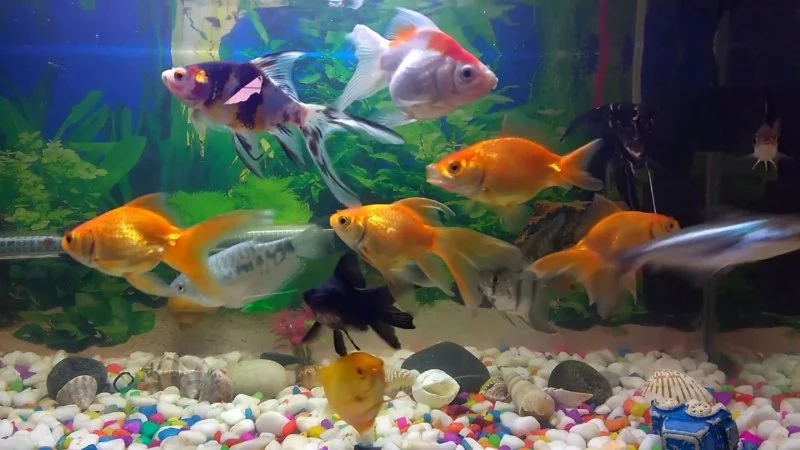
- 1. The Importance of Health Checkups for Fish
- 2. Common Health Issues in Fish
- 3. How to Conduct a Fish Health Check
- 4. Preventive Care for Fish
- 5. When to Visit a Vet for Your Fish
1. The Importance of Health Checkups for Fish
Just like any other pet, fish require regular health checkups to ensure they remain healthy and thrive in their aquatic environment. Health checkups help detect early signs of illness, prevent disease outbreaks, and maintain a stable and clean ecosystem in your aquarium.
In the UK, where many aquarium enthusiasts enjoy keeping a variety of freshwater and marine fish, regular health checks are crucial. Fish can’t communicate their discomfort or illness, making it essential for owners to be vigilant about their well-being.

2. Common Health Issues in Fish
While fish are relatively hardy creatures, they are prone to certain health issues. Understanding these problems and their symptoms can help you keep your fish in optimal health:
- Fin Rot: A bacterial infection that causes the fins to deteriorate, often due to poor water quality or stress.
- Ich (White Spot Disease): Caused by a parasite, Ich presents as small white spots on the body and fins of the fish.
- Swim Bladder Disorder: This condition affects the fish’s buoyancy, often leading to difficulties in swimming or floating upside down.
- Fungal Infections: Fungal diseases can appear as cotton-like growths on the skin or fins of the fish and are often caused by a weakened immune system or poor water conditions.
Recognizing these common issues early allows you to address them quickly, potentially preventing serious complications or death.
3. How to Conduct a Fish Health Check
Regularly conducting health checks on your fish is vital to ensure they are living in a healthy environment and are free from disease. Here’s a simple guide to help you perform a thorough fish health check:
- Observe the Behavior: Watch for any abnormal behavior such as lethargy, erratic swimming, or hiding. Fish should be active and interacting with their environment.
- Check the Body for Signs of Disease: Look for any changes in the appearance of your fish. Common signs to watch for include unusual spots, swollen areas, or changes in skin color.
- Inspect the Fins and Tail: Make sure the fins and tail are intact and not showing signs of fin rot or damage. Healthy fins should be smooth and free from tears.
- Check the Gills: Open gills should appear pink and not overly swollen or discolored. Gills that are pale, red, or inflamed could indicate respiratory issues.
Performing these checks regularly will help you catch health problems early, allowing for swift intervention.
4. Preventive Care for Fish
Preventive care plays a significant role in keeping your fish healthy and avoiding many common health problems. By maintaining proper water quality, providing a balanced diet, and ensuring adequate tank space, you can help your fish live long and healthy lives.
Here are some preventive care practices:
- Maintain Clean Water: Regularly clean your aquarium and monitor water parameters such as pH, ammonia, nitrites, and nitrates. Clean water is essential for preventing diseases and keeping fish stress-free.
- Feed a Balanced Diet: Ensure that your fish receive high-quality food tailored to their species’ needs. Overfeeding can lead to poor water quality, while underfeeding can weaken their immune system.
- Avoid Overstocking: Overcrowding can lead to stress, competition for food, and poor water conditions, all of which can harm your fish’s health.
- Quarantine New Fish: When introducing new fish into your aquarium, it’s essential to quarantine them for a period to ensure they don’t bring any diseases into your established tank.
Preventive care helps to reduce the risk of many common diseases and creates a healthy environment for your fish to thrive in.
5. When to Visit a Vet for Your Fish
Sometimes, despite your best efforts, fish may require professional help. It’s essential to know when to visit a vet for your fish’s health concerns:
- Persistent Symptoms: If your fish shows signs of illness (like swimming abnormally, loss of appetite, or skin lesions) for more than a few days, it’s time to consult a vet.
- Severe Disease: If the symptoms are severe, such as significant skin damage or difficulty breathing, immediate veterinary intervention may be necessary.
- Repeated Infections: If your fish seems to be repeatedly getting sick despite good water quality and care, it may be an indication of an underlying health issue that requires professional attention.
Fish health can sometimes be tricky to diagnose, so professional advice from a vet with experience in aquatic life can be invaluable in preventing the spread of disease or treating serious illnesses.
If you're looking for products to keep your fish healthy, visit RegPets for the best range of fish care supplies. We offer water conditioners, food, filters, and other products to ensure your fish live their best lives.



 Dixon and Young Veterinary Surgery4.0 (356 reviews)
 Vets for Pets - Rawtenstall4.0 (361 reviews)
 Bishopton Veterinary Group Northallerton5.0 (147 reviews)
 The Cats Whiskers Cattery East Yorkshire5.0 (13 reviews)
 Medivet Beverley4.0 (34 reviews)
 Cattery in Lincoln Willow Tree Cat Hotel5.0 (26 reviews)
 What to Expect During Your Pet’s First Vet Visit: A Complete Guide
 Expert Vet Advice on Health Checkups for Rabbits
 Best Practices for Skin and Coat Care in Fish: Keeping Your Aquarium Pets Healthy
 Nutrition Tips for Birds: What UK Pet Owners Need to Know
 Recognising Allergy Symptoms in UK Dogs and Cats: What to Watch For
 How to Choose the Right Pet Food for Your Dog or Cat in the UK