
Exercise and Fitness Explained: Keeping Your Exotic Pets Healthy in the UK
- 1. Why Exercise Is Important for Exotic Pets
- 2. Types of Exercise for Exotic Pets
- 3. Exercise Ideas for Common Exotic Pets
- 4. Signs Your Pet Needs More Exercise
- 5. Why Choose RegPets for Exotic Pet Supplies
1. Why Exercise Is Important for Exotic Pets
Exotic pets, such as reptiles, birds, and small mammals, often have different physical needs than traditional pets like dogs or cats. While many owners are familiar with the exercise requirements of dogs, the fitness needs of exotic pets can sometimes be overlooked. Regular physical activity is essential for the health and well-being of these unique animals. Exercise not only helps them stay physically fit but also encourages natural behaviors, which are vital for their mental stimulation.
Exotic pets that are kept in captivity may not have access to the same opportunities for movement and exploration as they would in the wild. As a result, pet owners must create a suitable exercise environment to maintain their pet's physical health and prevent obesity, lethargy, and behavioral problems.
2. Types of Exercise for Exotic Pets
The type of exercise your exotic pet needs largely depends on the species and its natural behavior. Here are some common types of exercise suitable for a variety of exotic pets:

1. Physical Activity for Birds
Birds are naturally active creatures and need plenty of exercise to stay fit. Flight time is the most beneficial form of exercise for them. If you keep your bird in a cage, it's important to allow them time outside the cage to fly and explore a safe, bird-proofed area. Some birds also enjoy climbing, so bird gyms and hanging toys can provide additional exercise opportunities.
2. Exercise for Reptiles
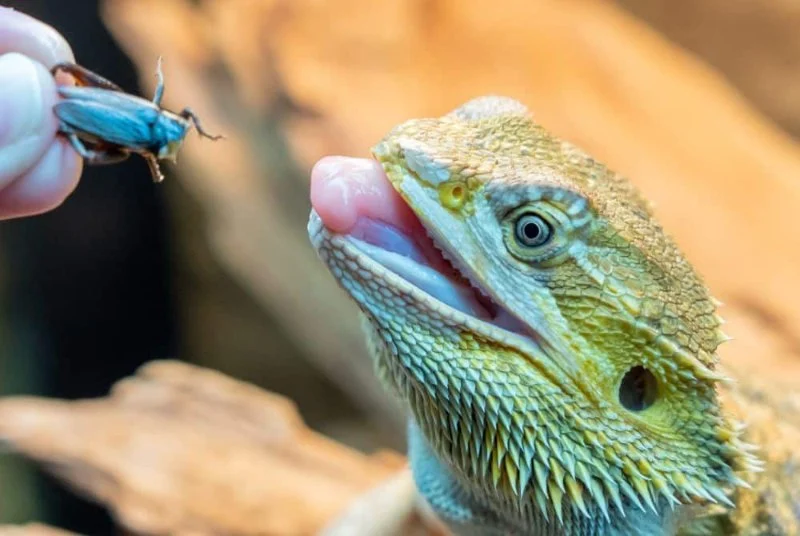
Reptiles like lizards and turtles benefit from time outside their enclosures. For example, a lizard may enjoy climbing branches or rocks, mimicking the natural environments they would typically inhabit. For turtles, swimming or walking around a secure area will help promote joint and muscle health. Reptile exercise is crucial for digestion and metabolic health, particularly for species like Bearded Dragons and Iguanas.
3. Small Mammals and Exercise Wheels
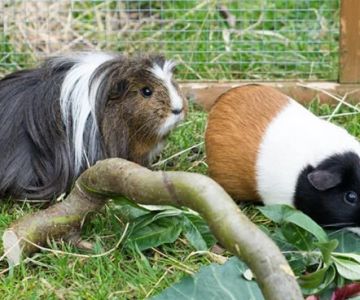
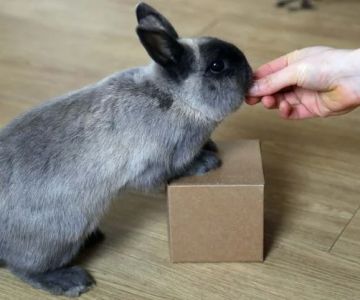
Small mammals like guinea pigs, hamsters, and rabbits require physical activity to stay healthy. Hamsters often enjoy running on exercise wheels, while guinea pigs benefit from free-roaming in a secure area where they can run and explore. Rabbits need space to hop around and play. Creating an enriching environment with tunnels, ramps, and safe outdoor time can also help keep them active and engaged.
4. Fish and Aquatic Exercise
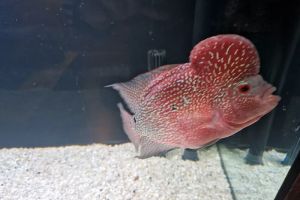
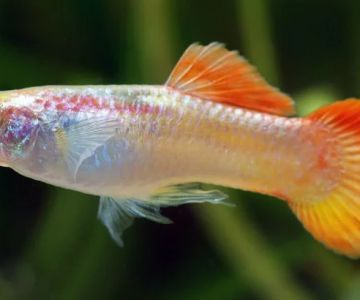
While fish may not need traditional exercise, providing them with enough space to swim freely is essential for their health. A larger aquarium allows for more swimming and natural behavior. Regular water changes and maintaining optimal water quality also support their overall fitness by ensuring a healthy environment.
3. Exercise Ideas for Common Exotic Pets
Now that we’ve covered the types of exercise, here are some specific ideas to get your exotic pets moving:
1. Interactive Playtime for Birds
Interactive toys like swings, ladders, and mirrors can engage birds and encourage them to move. You can also teach your bird tricks or allow them to explore a safe, enclosed area where they can fly freely. Regular interaction with their owner promotes exercise and strengthens the bond between pet and owner.
2. Enrichment for Reptiles
Place climbing structures or hiding spots inside your reptile’s enclosure to encourage exploration and physical activity. Additionally, some reptiles like bearded dragons enjoy "hiking" on rocks or sand, so setting up a small obstacle course could make exercise more engaging.
3. Playtime for Small Mammals
Allow your small mammal to roam around in a safe space. You can create tunnels, ramps, and areas with different textures for them to explore. For hamsters, an exercise wheel is essential for staying active, while guinea pigs and rabbits benefit from larger spaces to hop, run, and interact with their environment.
4. Signs Your Pet Needs More Exercise
Sometimes, it can be difficult to know if your exotic pet is getting enough exercise. Here are some signs that may indicate your pet needs more physical activity:
- Lethargy: If your pet seems unusually tired or inactive, it might not be getting enough exercise.
- Weight Gain: Lack of movement can contribute to obesity, which can lead to various health problems.
- Behavioral Issues: Some pets may become more aggressive, anxious, or destructive if they are not mentally or physically stimulated.
- Reduced Appetite: Pets that aren't moving enough may have a decreased appetite, which can be a sign of an underlying health issue.
5. Why Choose RegPets for Exotic Pet Supplies
At RegPets, we understand the unique needs of exotic pets and provide a wide range of supplies to help keep them healthy and active. From exercise equipment to toys, bedding, and habitat accessories, we offer everything you need to support your pet's fitness and overall well-being.
Whether you're looking for enrichment toys for your bird or climbing structures for your reptile, we have carefully curated products that promote healthy exercise for exotic pets. Visit our website today to explore our products and give your exotic pets the best care possible!



 The Stewartry Veterinary Centre Ltd4.0 (189 reviews)
 PETS RAW4.0 (64 reviews)
 The Cat Hotel Kibworth4.0 (19 reviews)
 Eclipse Equine Veterinary Practice0.0 (0 reviews)
 Newgrange Vets5.0 (36 reviews)
 Bankend Cattery, Kennels and Grooming4.0 (63 reviews)
 Recognizing Symptoms of Allergies in Dogs and Cats: A Complete Guide for Pet Owners
 Common Health Issues in UK Pets and How to Prevent Them | Pet Health Guide
 Common Vaccination Myths Debunked by UK Vets
 UK Pet Owner’s Guide to Nutrition Tips for Dogs
 How to Choose the Right First Aid Tips for Fish in the UK
 Top 10 Behaviour Training Every Reptile Owner in the UK Should Know