
Best Practices for Skin and Coat Care in Kittens
- 1 - Understanding the Importance of Skin and Coat Care
- 2 - Grooming Tips for Healthy Skin and Fur
- 3 - Nutrition's Role in Coat Health
- 4 - Common Skin and Coat Issues in Kittens
- 5 - Preventive Care for Healthy Skin and Coat
- 6 - Recommended Products for Kitten Coat Care
1. Understanding the Importance of Skin and Coat Care
As a kitten grows, its skin and coat play a crucial role in its overall health and well-being. Healthy fur not only makes your kitten look adorable but also protects its body from environmental factors such as temperature fluctuations, dirt, and parasites. Proper skin and coat care ensures your kitten’s comfort and helps prevent skin issues, which are common during their development. In this article, we’ll explore the best practices to maintain your kitten’s skin and coat health, helping your furry friend thrive.

Pets at Home Workington
Derwent Drive Retail Park, Derwent Dr, Workington CA14 3YW, UK
2. Grooming Tips for Healthy Skin and Fur
Grooming is one of the most important aspects of kitten care, especially when it comes to maintaining their skin and coat. Regular grooming helps remove dirt, dead skin cells, and excess fur, while also stimulating blood flow to the skin, which is vital for healthy fur growth. Here are some grooming tips for your kitten:

The Red House Luxury Boarding Cattery and Kennels
Moor Ln, Murton, York YO19 5XD, UK
2.1 Brushing
Brushing your kitten’s fur is essential for keeping its coat smooth and tangle-free. Regular brushing also helps to distribute natural oils from the skin throughout the coat, keeping it shiny and healthy. For short-haired kittens, brush once a week, while long-haired kittens may require daily brushing to prevent mats and tangles.
2.2 Bathing
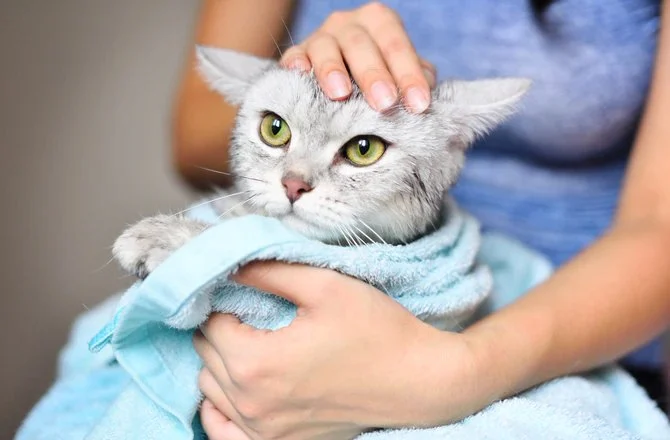
While kittens are generally good at grooming themselves, occasional baths may be necessary to keep their coats clean, especially if they’ve gotten into something dirty or sticky. Use a kitten-safe shampoo that’s gentle on their skin, and make sure the water is warm but not too hot. Bathing should not be done too frequently to avoid drying out the skin.
2.3 Nail Trimming
Kitten’s nails should be trimmed regularly to prevent them from becoming overgrown or causing accidental scratches. Use a kitten-specific nail trimmer and take care to avoid cutting too close to the quick. If you're unsure how to trim your kitten’s nails, consult your vet or a groomer for guidance.
3. Nutrition's Role in Coat Health
What your kitten eats directly affects the health of its skin and coat. Providing a balanced, nutrient-rich diet is essential for a shiny, healthy coat. The right food can help prevent dryness, shedding, and skin irritation. Here’s how nutrition plays a key role:
3.1 High-Quality Protein
Protein is the building block of healthy skin and fur. Make sure your kitten's food contains high-quality protein sources, such as chicken, turkey, or fish. Protein supports strong hair follicles and helps prevent hair loss.
3.2 Essential Fatty Acids
Omega-3 and Omega-6 fatty acids are essential for maintaining a healthy coat. These fats support the skin’s barrier function, preventing dryness and irritation. Fish oil and flaxseed oil are excellent sources of these fatty acids and should be included in your kitten’s diet.
3.3 Vitamin A and Zinc
Vitamin A and zinc are crucial for skin health. Vitamin A helps regulate skin cell production, while zinc promotes healing and reduces inflammation. Ensure your kitten's food contains adequate levels of these nutrients for optimal skin and coat health.
4. Common Skin and Coat Issues in Kittens
While proper grooming and nutrition can help maintain a healthy coat, kittens may still experience skin and coat issues. Below are some common concerns and how to address them:
4.1 Dry or Flaky Skin
Dry or flaky skin can result from environmental factors, diet, or improper grooming. Ensure your kitten is eating a diet rich in essential fatty acids and always provides fresh water. Bathing too frequently can also lead to dryness, so limit baths to once every few weeks, unless necessary.
4.2 Shedding
Some shedding is natural, especially as kittens grow into adulthood. However, excessive shedding can be a sign of nutritional deficiencies, stress, or health issues. Regular grooming can help control shedding, but consult your vet if the shedding seems abnormal.
4.3 Fleas and Skin Irritations
Fleas can cause itching, hair loss, and skin irritation in kittens. Be sure to check your kitten regularly for fleas and use flea prevention treatments as recommended by your vet. If you notice persistent itching, hair loss, or red patches, it may indicate a skin infection or allergy, and you should seek veterinary care.
5. Preventive Care for Healthy Skin and Coat
Prevention is always better than cure. To ensure your kitten’s skin and coat remain healthy, follow these preventive care tips:
5.1 Regular Vet Check-ups
Routine vet visits are crucial for your kitten’s overall health. Your vet can spot potential skin problems early and recommend treatments before they become serious issues.
5.2 Flea and Parasite Prevention
Fleas, ticks, and other parasites can cause significant discomfort and harm to your kitten’s skin and coat. Ensure that your kitten receives appropriate flea prevention treatments and is kept in a clean, parasite-free environment.
5.3 Safe Environment
Keep your kitten's living area clean and safe from irritants. Avoid exposing them to harsh chemicals, smoke, or strong fragrances, which can cause skin irritation or allergies. Ensure they have a comfortable space where they can groom themselves in peace.
6. Recommended Products for Kitten Coat Care
If you’re looking for high-quality products to help maintain your kitten’s skin and coat health, visit RegPets. We offer a wide range of kitten-friendly grooming tools, shampoos, and supplements designed to promote a shiny, healthy coat and smooth skin. Whether you need a gentle brush or omega-3 supplements, our products are carefully selected for your kitten's well-being.




 Bowbroom Boarding Cattery5.0 (26 reviews)
 Beckys Cattery5.0 (1 reviews)
 Pets at Home Meanwood4.0 (357 reviews)
 West Auckland Vet - Darlington Vet Clinic5.0 (8 reviews)
 Pasture Pet & Pond Supplies4.0 (188 reviews)
 Westway Veterinary Group, Wideopen5.0 (39 reviews)
 How to Prepare Your Pet for Their Annual Checkup in the UK
 UK Pet Owner’s Guide to Spaying and Neutering for Fish – Expert Advice
 The Importance of Microchipping Your Pet in the UK | RegPets
 The Importance of Spaying and Neutering for Guinea Pigs in the UK
 Best Practices for Preventive Care in Puppies: Keep Your Pup Healthy
 Vet-Approved Weight Management for Guinea Pigs – UK Care Guide