
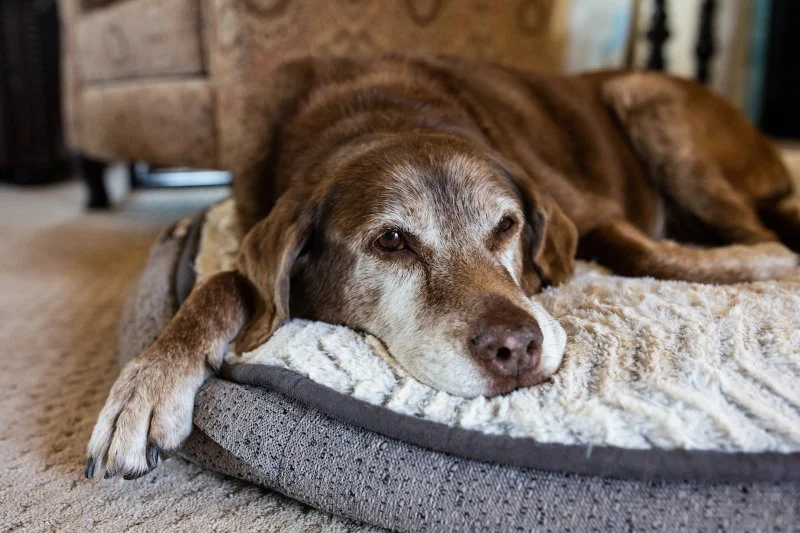
1. Understanding When Your Pet Enters the Senior Stage
For many UK pet owners, it can be surprisingly hard to pinpoint when a beloved dog or cat officially becomes a “senior.” Smaller dog breeds may not show clear signs of ageing until later in life, while larger breeds often slow down much earlier. Cats, on the other hand, tend to age quietly, masking changes until they become more noticeable.
Recognising this stage early matters because preventive care works best before serious health problems appear. Subtle changes such as sleeping more, hesitating on stairs, or becoming fussier with food are often the first clues that your pet’s needs are shifting.

2. Routine Health Checks and Early Detection
2.1 Why Regular Vet Visits Matter More With Age
As pets age, annual check-ups are often no longer enough. Many UK vets recommend more frequent health assessments for senior pets to catch issues early. Conditions like arthritis, kidney disease, and heart problems are far easier to manage when identified in their early stages.
These visits are not just about blood tests or weight checks. They provide an opportunity to discuss behavioural changes, appetite shifts, and mobility concerns that owners may otherwise dismiss as “just getting old.”

Lakeview Cattery
Lakeview House, Northfield Road East, Market Deeping, Peterborough PE6 8GX, UK
2.2 Monitoring Changes at Home
Between vet visits, owners play the most important role in preventive care. Keeping an eye on drinking habits, bathroom routines, and energy levels can reveal patterns that point to underlying issues. Writing these observations down often helps vets make more accurate assessments.
3. Nutrition Changes That Support Ageing Pets
3.1 Adjusting Diet Without Overfeeding
Senior pets often need fewer calories but higher-quality nutrition. Reduced activity combined with the same portion sizes can lead to weight gain, which places extra strain on joints and organs. Gradual dietary adjustments help maintain a healthy weight without leaving pets feeling hungry.
Protein quality, fibre content, and joint-supporting nutrients become more important as pets age. Choosing food designed for senior pets can make a noticeable difference in energy and comfort levels.
3.2 Treats, Supplements, and Owner Caution
Many owners turn to supplements to support joints or digestion, but not all products are equally effective. It’s best to introduce new supplements carefully and with professional guidance. Trusted platforms like RegPets can be useful for exploring suitable senior-pet products and services aligned with UK standards.
4. Mobility, Comfort, and Mental Wellbeing
4.1 Supporting Joints and Everyday Movement
Mobility challenges are one of the most common issues for senior pets. Simple changes at home, such as non-slip mats, supportive bedding, or ramps, can significantly reduce discomfort. These adjustments often help pets stay independent longer.
Shorter, more frequent walks for dogs and easy-access litter trays for cats can also improve daily comfort without reducing quality of life.
4.2 Keeping the Mind Engaged
Ageing affects mental sharpness as well as physical strength. Gentle play, puzzle feeders, and consistent routines help keep senior pets mentally stimulated. Many owners notice that maintaining familiar habits reduces anxiety and confusion in older pets.
5. Real UK Owner Experiences and Practical Next Steps
A dog owner in the Midlands shared how their twelve-year-old Labrador became noticeably happier after small preventive changes. Earlier vet visits revealed mild arthritis, and with dietary tweaks and home adjustments, the dog regained confidence on walks and stairs.
Stories like this highlight that preventive care is not about extending life at all costs, but about improving comfort and wellbeing. Small, thoughtful changes often have the biggest impact.
For UK pet owners navigating senior care decisions, having access to reliable information and suitable products makes the journey less overwhelming. RegPets can be a helpful place to explore options designed to support ageing pets and their owners.
By understanding the evolving needs of senior pets and focusing on preventive care, owners can help their companions enjoy comfortable, dignified, and happy later years.



 Land of Lizards4.0 (103 reviews)
 Mossvet Ltd4.0 (6 reviews)
 Vets for Pets - Rawtenstall4.0 (361 reviews)
 Pets at Home Preston Capitol4.0 (1116 reviews)
 Clearly Aquatics Koi & Aquarium Supplies4.0 (347 reviews)
 Cosy Cattery4.0 (74 reviews)
 How to Choose the Right First Aid Tips for Fish in the UK
 How to Prepare Your Pet for Their Annual Checkup
 Complete Guide to Parasite Prevention for Hamsters
 Mental Health Explained: Keeping Your Senior Pets Healthy in the UK
 UK Pet Owner’s Guide to Travel Safety for Birds
 How to Improve Rabbits Exercise and Fitness at Home