
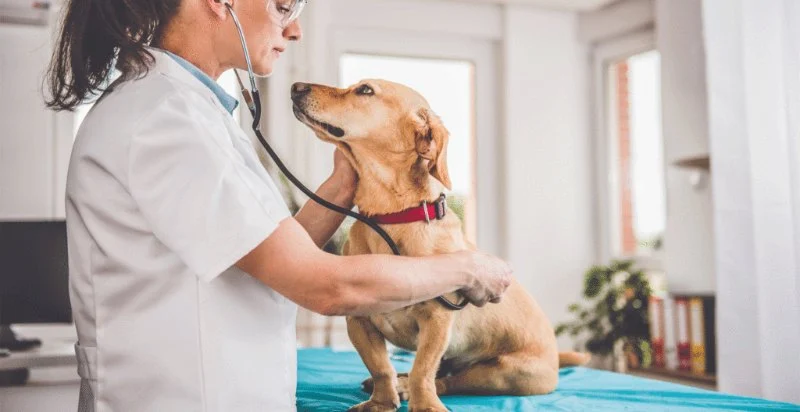
- Introduction to Puppy Health Checkups
- Why Regular Health Checkups Are Important for Puppies
- Key Elements of a Puppy Health Checkup
- When to Schedule Your Puppy's First Checkup
- Common Health Issues in Puppies and How to Prevent Them
- Where to Get Veterinary Care for Your Puppy
Introduction to Puppy Health Checkups
When you bring a new puppy into your life, ensuring their health and well-being becomes a top priority. Health checkups are an essential part of responsible pet ownership, as they allow you to monitor your puppy’s growth and detect any potential health issues early. Expert veterinarians recommend regular checkups to ensure that your puppy thrives in their early months. In this article, we will dive into the importance of these checkups, what they involve, and how to ensure your puppy stays in optimal health.

Why Regular Health Checkups Are Important for Puppies
Regular veterinary visits are vital for your puppy's health. These checkups not only help to identify potential health problems but also ensure that your puppy is on track with their vaccinations, deworming, and overall development. Here’s why regular checkups are essential:

1. Early Detection of Health Problems
During routine health checkups, your vet will conduct a thorough examination to detect any underlying health conditions. Puppies can be particularly vulnerable to illnesses, so catching health issues early allows for timely treatment and intervention. This is key to preventing more severe health problems later in life.
2. Keeping Up With Vaccinations and Preventive Care
Puppies need to follow a specific vaccination schedule to protect them from common and sometimes fatal diseases like parvovirus, distemper, and rabies. Regular checkups ensure your puppy is on track with their vaccinations and preventive treatments such as flea, tick, and heartworm prevention.
3. Monitoring Growth and Development
Veterinarians can assess your puppy’s growth during checkups to ensure they’re gaining weight appropriately and developing physically. They’ll also offer advice on diet, exercise, and other factors that contribute to your puppy’s well-being.
Key Elements of a Puppy Health Checkup
During a health checkup, a vet will typically conduct a series of tests and examinations to assess your puppy’s overall health. These are some of the key components of a puppy health checkup:
1. Physical Examination
Your vet will perform a comprehensive physical exam to check for signs of any abnormalities. This includes examining your puppy’s eyes, ears, nose, mouth, and teeth, as well as checking their heart rate, breathing, and overall condition. This helps detect any potential health issues early.
2. Vaccination Updates
Vaccinations are a key part of puppy health checkups. Your vet will ensure that your puppy is up-to-date with all necessary vaccinations. Some vaccines are administered in multiple doses over time, so it’s crucial to stay on schedule to ensure full protection.
3. Parasite Control
Fleas, ticks, and worms are common in puppies. During the checkup, your vet will check for signs of parasites and provide recommendations for preventive treatments to keep your puppy protected. Regular deworming and flea prevention are necessary to maintain your puppy’s health.
4. Nutritional Assessment
A healthy diet is essential for your puppy’s growth and development. Your vet will review your puppy’s nutritional needs, recommend the right type of food, and offer advice on portion sizes to ensure they’re getting the best possible nutrition.
When to Schedule Your Puppy's First Checkup
Your puppy’s first checkup should be scheduled as soon as possible after bringing them home. It’s typically recommended to take your puppy to the vet for their first visit at around 8 weeks of age. During this visit, your vet will perform a thorough health check, start vaccinations, and give you a schedule for future visits.
First Checkup Timeline
Here’s a general timeline for your puppy’s first checkup and vaccinations:
- 8 weeks – First vet visit, initial vaccinations, and parasite treatment.
- 12 weeks – Second round of vaccinations and more parasite prevention.
- 16 weeks – Third round of vaccinations and final deworming treatment.
- 6 months – Spaying or neutering, depending on your decision.
Common Health Issues in Puppies and How to Prevent Them
Puppies are prone to certain health issues, some of which are easily preventable with the right care and attention. Here are a few common health problems in puppies and how to avoid them:
1. Parvovirus
Parvovirus is a highly contagious and potentially deadly disease that can affect puppies, especially if they are not vaccinated. The best way to prevent parvovirus is through vaccination, so ensure that your puppy stays up-to-date with their vaccinations.
2. Ear Infections
Ear infections are common in puppies, particularly in breeds with floppy ears. Regularly cleaning your puppy’s ears and keeping them dry can help prevent infections. If your puppy is constantly scratching or shaking their head, consult your vet for an ear checkup.
3. Hip Dysplasia
Hip dysplasia is a hereditary condition that can affect certain breeds, leading to joint pain and arthritis. Regular vet visits can help detect hip dysplasia early, and maintaining a healthy weight and proper exercise regimen can help minimize its impact.
Where to Get Veterinary Care for Your Puppy
It’s essential to find a trusted veterinary clinic that offers comprehensive care for your puppy. Look for a vet clinic that specializes in puppy care, provides preventive treatments, and has a reputation for compassionate care. For expert veterinary advice and products for your puppy’s health, visit RegPets, where you can find quality veterinary services and puppy wellness products.

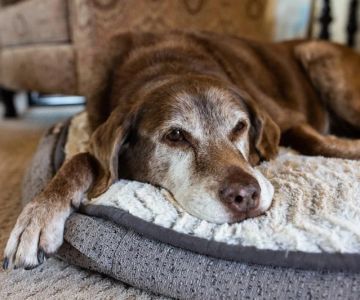
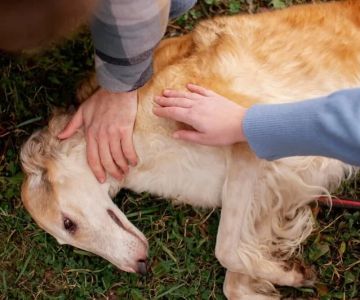
 Stamford Veterinary Centre4.0 (440 reviews)
 Palmer & Duncan Veterinary Surgeons4.0 (198 reviews)
 Jollyes - The Pet People Doncaster4.0 (483 reviews)
 Rase Veterinary Centre - Gainsborough4.0 (166 reviews)
 Jollyes Pet Clinic - Halifax0.0 (0 reviews)
 Moorview Vets4.0 (72 reviews)
 代码Preventive Care Tips for Rabbits: What UK Pet Owners Need to Know
 Top 10 Adoption Guide Every Cat Owner in the UK Should Know – Essential Tips from RegPets
 Vet-Approved Preventive Care for Exotic Pets: Essential Tips for Pet Owners
 Recognizing Symptoms of Allergies in Dogs and Cats: A Guide for UK Pet Owners
 Top 10 Signs Your Pet Needs to See a Vet Immediately | Expert Pet Care Advice
 Common Health Issues in UK Pets and How to Prevent Them | Pet Health Guide