
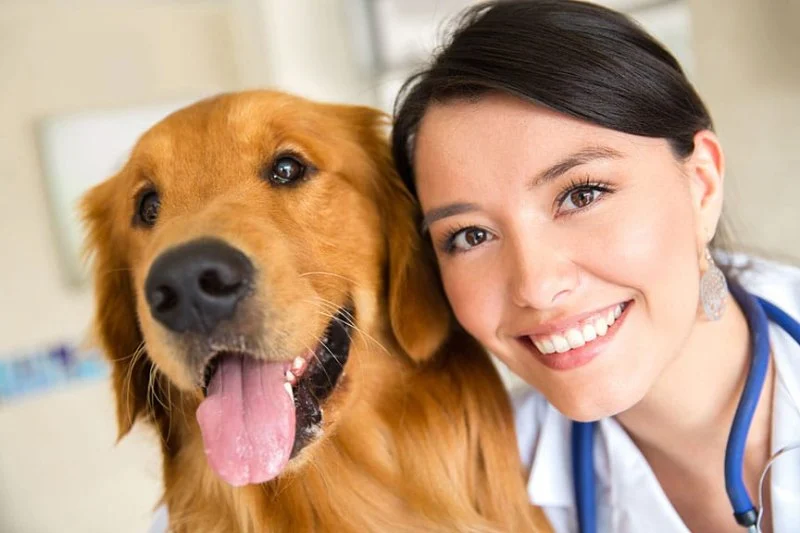
Top 10 Signs Your Pet Needs to See a Vet Immediately
- 1- Sudden Loss of Appetite or Weight
- 2- Unusual Behaviour or Lethargy
- 3- Vomiting or Diarrhoea
- 4- Difficulty Breathing
- 5- Abnormal Bleeding
- 6- Seizures or Tremors
- 7- Persistent Coughing or Sneezing
- 8- Swelling or Bloating
- 9- Skin Issues or Open Wounds
- 10- Change in Drinking or Urination Habits
1- Sudden Loss of Appetite or Weight
One of the first signs that your pet may be in trouble is a sudden change in appetite or noticeable weight loss. If your pet is refusing food or drinking less water, it could be a sign of an underlying medical issue, such as a digestive disorder, dental problems, or more severe conditions like kidney disease. Any significant change in eating or drinking habits should prompt a visit to the vet as soon as possible.

Pet-SuppliesUK
Lytham St AnnesLancashireEngland
58 Walter Ave, Lytham St Annes, Lytham Saint Annes FY8 3DJ, UK
2- Unusual Behaviour or Lethargy
Pets that are suddenly lethargic or displaying unusual behaviour might be struggling with pain or illness. This can include acting more withdrawn, having trouble getting up, or not responding to usual stimuli. Such behavioural changes are often indicators of infections, injuries, or more serious conditions like heart disease or arthritis. A vet should assess any signs of lethargy or changes in activity level.

3- Vomiting or Diarrhoea
Occasional vomiting or diarrhoea may be harmless, but when these symptoms persist for more than 24 hours or appear suddenly, they could indicate a serious issue. Conditions like gastrointestinal infections, poisoning, or even organ failure could be at play. If these symptoms are accompanied by other signs of illness, it’s crucial to get your pet checked out immediately.
4- Difficulty Breathing
Respiratory problems in pets, such as shortness of breath, coughing, or wheezing, are never something to ignore. Difficulty breathing could indicate serious conditions such as asthma, pneumonia, heart disease, or even a foreign object blocking the airways. If your pet is struggling to breathe, take them to the vet immediately.
5- Abnormal Bleeding
Whether it’s from a visible injury or an internal issue, abnormal bleeding is a serious concern. If your pet is bleeding from any part of its body, such as the gums, nose, or from a cut that won’t stop bleeding, it’s important to seek veterinary care immediately. Internal bleeding, which is often harder to detect, could also be an emergency.
6- Seizures or Tremors
Seizures or tremors are signs of neurological issues in your pet and should always be taken seriously. These could be caused by poisoning, epilepsy, infection, or even trauma. If your pet experiences a seizure, it’s crucial to seek emergency veterinary attention to diagnose the root cause and get immediate treatment.
7- Persistent Coughing or Sneezing
A persistent cough or sneeze could indicate a respiratory infection or other underlying health issues like kennel cough, pneumonia, or even a heart condition. If your pet is coughing or sneezing for an extended period, or showing signs of discomfort, it’s time to consult with a vet to determine the cause and get appropriate treatment.
8- Swelling or Bloating
Swelling or bloating, especially around the abdomen, could signal a serious condition like bloat, which is life-threatening. Other causes for concern include infections, tumours, or fluid retention. If you notice any unexplained swelling, seek immediate medical attention for your pet to avoid complications.
9- Skin Issues or Open Wounds
Pets that have noticeable skin issues, such as rashes, sores, or open wounds, may be suffering from allergies, infections, or parasitic infestations. If your pet’s condition isn’t improving or seems to worsen, visiting the vet is essential for proper treatment and to prevent further health problems.
10- Change in Drinking or Urination Habits
A significant change in your pet’s drinking or urination habits may indicate problems with their kidneys, urinary tract infections, or diabetes. Increased thirst or urination, or conversely, difficulty urinating, should always prompt a vet visit. Early detection can prevent complications and help manage potential health issues.
Understanding these 10 signs can help you identify when your pet is in distress and needs urgent medical attention. Remember, when in doubt, it’s always best to consult with a veterinarian. At RegPets, we recommend regular health checks to ensure your pet stays happy and healthy. If you ever notice any of these symptoms, don’t wait—schedule an appointment with your vet immediately.




 Gone Barking5.0 (7 reviews)
 Peejay Pet Superstore Ltd4.0 (1173 reviews)
 Sheerbliss Cattery5.0 (19 reviews)
 Calcaria Veterinary Practice4.0 (90 reviews)
 Crookedstone Cattery0.0 (0 reviews)
 Apisto Aquatics5.0 (25 reviews)
 Top 10 Behaviour Training Every Reptile Owner in the UK Should Know
 Common Vaccination Myths Debunked by UK Vets
 How to Handle Emergency Situations with Your Pet | Pet Safety Tips
 Complete Guide to Nutrition Tips for Hamsters: What Your Pet Needs to Stay Healthy
 Dealing with Anxiety and Stress in Pets: Vet Advice for UK Pet Owners
 Top 10 Behaviour Training Every Guinea Pig Owner in the UK Should Know