
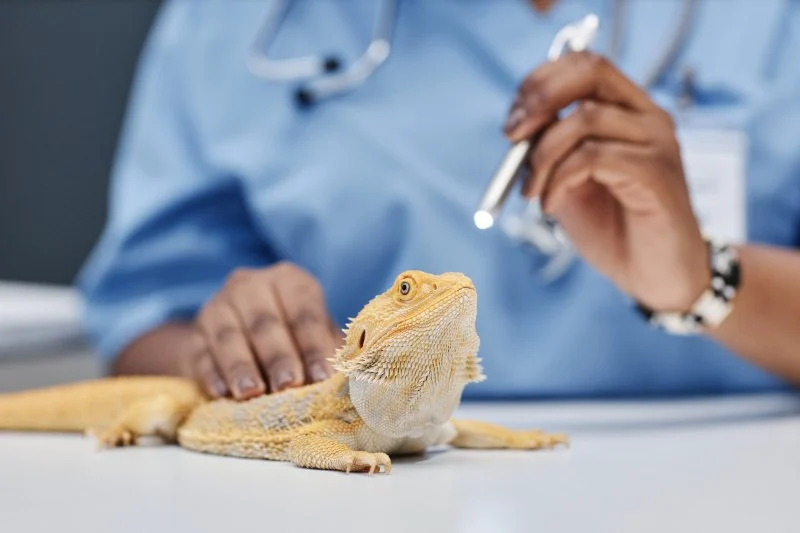
1. The Importance of Vet-Approved Preventive Care for Exotic Pets
Exotic pets, such as reptiles, birds, and small mammals, have unique health needs that require careful attention and specialized care. Unlike traditional pets like cats and dogs, exotic animals often face specific challenges due to their diverse diets, environmental needs, and biology. As a result, preventive care becomes essential in keeping them healthy and preventing common health issues.
Vet-approved preventive care helps ensure that your exotic pet remains in top condition, minimizes the risk of disease, and promotes a long and healthy life. This includes regular health checkups, proper vaccinations, maintaining their habitat, and offering the right nutrition. This article will guide you through the key aspects of preventive care for exotic pets and provide useful tips for maintaining their health.

Durham Equine Practice
Unit 41, Enterprise City, Meadowfield Ave, Spennymoor DL16 6JF, UK
2. Regular Health Checkups: A Vital Step for Preventive Care
Just like any other pet, exotic animals benefit greatly from regular visits to a vet. However, finding a vet who specializes in exotic pets is crucial since they have different care requirements compared to common pets. These vets are equipped to provide specialized care, which includes understanding the specific anatomy, nutrition, and environmental needs of each exotic species.
During checkups, your vet will evaluate the overall health of your pet, check for signs of disease, and ensure that their habitat is conducive to their well-being. They will also provide vaccinations or deworming treatments when necessary. Regular health checkups can detect early signs of disease, allowing for prompt treatment and potentially saving your pet’s life.

a. Common Exotic Pet Illnesses
Exotic pets are prone to certain illnesses that can be prevented or managed with proper care. For example:
- Reptiles: Respiratory infections, metabolic bone disease, and shell rot are common among reptiles.
- Birds: Psittacosis (parrot fever), feather-plucking, and gastrointestinal issues.
- Small Mammals: Dental problems, obesity, and urinary tract infections in rabbits or guinea pigs.
By scheduling regular vet checkups, many of these issues can be identified and treated before they become serious health concerns.
3. Maintaining a Safe Habitat for Your Exotic Pet
Exotic pets often require very specific environmental conditions to thrive. This includes the right temperature, humidity, lighting, and space. For example, reptiles may require UVB lighting to synthesize vitamin D3, while birds may need ample space to fly and exercise. A safe and comfortable environment plays a large role in preventing health problems and promoting well-being.
a. Temperature and Humidity Control
Different species of exotic pets have different temperature and humidity requirements. For example, tropical reptiles such as iguanas need a warm, humid environment to stay healthy, while desert-dwelling reptiles such as bearded dragons require dry heat. It’s essential to regularly monitor your pet’s habitat to ensure it remains within the appropriate range for their needs. Investing in quality thermometers and hygrometers can help you maintain the ideal living conditions.
b. Enrichment and Space
Exotic pets like birds, rabbits, and small mammals require enrichment to keep them mentally stimulated and happy. Providing toys, climbing structures, or tunnels can help prevent boredom and related behavioral issues. Additionally, make sure your pet has enough space to move around comfortably. For instance, a birdcage should be large enough to allow your bird to fly short distances, and a rabbit’s enclosure should give them room to hop and exercise freely.
4. Nutrition and Dietary Needs of Exotic Pets
Proper nutrition is crucial for the health of exotic pets. Each species has its own specific dietary needs, and feeding them the wrong food can lead to nutritional deficiencies, obesity, or other health issues.
a. Species-Specific Diet
For reptiles, a diet that mimics what they would eat in the wild, such as leafy greens for herbivores or live insects for carnivores, is essential. Birds need a varied diet that includes seeds, fruits, and vegetables, while small mammals like rabbits require a high-fiber diet with plenty of fresh hay. Be sure to consult with your vet about the specific dietary requirements for your exotic pet and avoid feeding them foods that could be harmful, such as chocolate, caffeine, or avocado.
b. Supplements and Vitamins
In some cases, your exotic pet may need supplements to maintain optimal health. For example, reptiles may require calcium and vitamin D3 supplements, especially if they are not getting enough exposure to UVB light. Birds may need specific vitamin supplements, and small mammals may benefit from fortified food pellets to ensure they are getting all the necessary nutrients. Your vet can help guide you in selecting the right supplements for your pet.
5. Skin Care and Hygiene for Exotic Pets
Exotic pets often have sensitive skin that requires extra care. Regular grooming and hygiene practices can help prevent skin issues such as infections, mites, or excessive shedding. For example, reptiles may need occasional baths to remove dead skin, while birds may need regular feather care and nail trimming. Ensure that your pet’s living environment remains clean, and regularly disinfect cages or enclosures to reduce the risk of bacteria or parasites.
6. Why Choose RegPets for Exotic Pet Care
At RegPets, we understand the unique needs of exotic pets and offer a wide range of high-quality products that can help with their care. From specialized food and supplements to safe and comfortable enclosures, RegPets has everything you need to keep your exotic pets healthy and happy.
Our team of experts is dedicated to providing you with the best advice and products for your pets. Visit RegPets today to find the perfect solutions for your exotic pet’s preventive care needs and more.





 Gone Barking5.0 (7 reviews)
 Peejay Pet Superstore Ltd4.0 (1173 reviews)
 Sheerbliss Cattery5.0 (19 reviews)
 Calcaria Veterinary Practice4.0 (90 reviews)
 Crookedstone Cattery0.0 (0 reviews)
 Apisto Aquatics5.0 (25 reviews)
 Top 10 Behaviour Training Every Reptile Owner in the UK Should Know
 Common Vaccination Myths Debunked by UK Vets
 How to Handle Emergency Situations with Your Pet | Pet Safety Tips
 Complete Guide to Nutrition Tips for Hamsters: What Your Pet Needs to Stay Healthy
 Dealing with Anxiety and Stress in Pets: Vet Advice for UK Pet Owners
 Top 10 Behaviour Training Every Guinea Pig Owner in the UK Should Know