
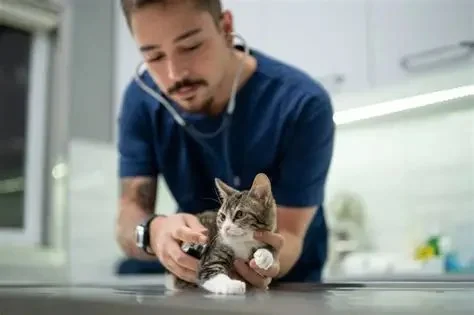
Common Health Issues in UK Pets and How to Prevent Them
- 1- Common Health Issues in Pets
- 2- How to Prevent Common Health Issues in Pets
- 3- Signs Your Pet Needs a Vet
- 4- Tips for Maintaining Your Pet’s Health
- 5- Recommended Products for Pet Health
Pets in the UK, like cats, dogs, and small mammals, can experience a variety of health issues. Some of the most common health concerns include:

1.1 Obesity
Obesity is one of the leading causes of health problems in pets, particularly in dogs and cats. It leads to joint issues, heart problems, and a decreased lifespan. Poor diet, lack of exercise, and overfeeding are major contributors to obesity.

1.2 Fleas and Ticks
Fleas and ticks can affect both dogs and cats, leading to itching, skin infections, and in severe cases, diseases like Lyme disease. Regular flea and tick prevention is crucial for maintaining pet health.
1.3 Dental Problems
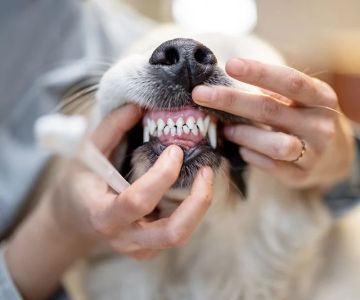
Dental disease is common in pets, with issues such as gum disease, tartar buildup, and tooth loss affecting both cats and dogs. Poor dental care can also lead to heart and kidney problems.
1.4 Skin Allergies
Skin allergies, often caused by food, fleas, or environmental factors, are common in many pets. Symptoms include itching, redness, and hair loss. Left untreated, these allergies can result in secondary infections.
1.5 Ear Infections
Ear infections are prevalent, especially in dogs with floppy ears. Moisture, dirt, and bacteria can accumulate in the ear canal, leading to painful infections.
2- How to Prevent Common Health Issues in Pets
Preventing health problems in pets begins with proactive care and regular check-ups. Here are some tips to keep your pet healthy:
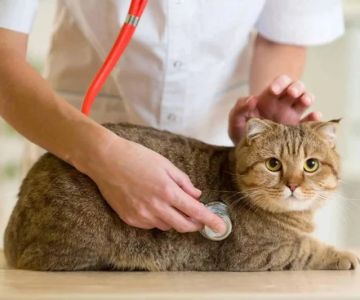
- Regular Vet Check-ups: Schedule regular vet visits to catch any health issues early and ensure your pet is up to date on vaccinations.
- Healthy Diet: Provide a balanced diet tailored to your pet’s age, breed, and size. Avoid overfeeding and offer portion-controlled meals to prevent obesity.
- Exercise: Keep your pet active with daily walks, playtime, and mental stimulation to prevent weight gain and improve overall health.
- Flea and Tick Prevention: Use recommended flea and tick prevention treatments, especially during the warmer months when pests are more prevalent.
- Dental Care: Brush your pet’s teeth regularly and provide dental chews or toys to help prevent plaque buildup.
3- Signs Your Pet Needs a Vet
Recognizing when your pet is unwell is essential for preventing further complications. Here are some signs that indicate it’s time to take your pet to the vet:
- Changes in Appetite: A sudden loss of appetite or overeating can signal health problems such as gastrointestinal issues or diabetes.
- Excessive Licking or Scratching: Continuous scratching or licking might indicate skin allergies or fleas.
- Lethargy: If your pet is unusually tired or inactive, it could be a sign of an infection, joint problems, or even heart issues.
- Vomiting or Diarrhea: If your pet vomits or has diarrhea for more than 24 hours, it’s important to get them checked by a vet.
- Coughing or Difficulty Breathing: These could be signs of respiratory infections, asthma, or heart problems.
4- Tips for Maintaining Your Pet’s Health
Here are some helpful tips for maintaining your pet's health:
- Keep Their Environment Clean: A clean living space helps prevent the spread of parasites like fleas and ticks and reduces the risk of infections.
- Provide Mental Stimulation: Engage your pet with puzzle toys, training, and interaction to keep their mind sharp and prevent boredom-related behaviours.
- Groom Regularly: Regular grooming not only keeps your pet clean but also helps to spot skin issues, ticks, and fleas early on.
- Maintain Proper Hygiene: Keep your pet's bedding, toys, and food dishes clean to prevent bacteria build-up and infections.
5- Recommended Products for Pet Health
Maintaining your pet’s health requires the right products. Some of the best products for pet health include:
- Flea and Tick Prevention: Regular flea and tick treatments, such as Frontline or Bravecto, can protect your pet from these common parasites.
- Dental Care Products: Toothpaste, brushes, and dental chews specifically designed for pets can help maintain healthy teeth and gums.
- Healthy Food: High-quality pet food brands like Royal Canin or Hill’s Science Diet provide balanced nutrition for your pet's specific needs.
- Joint Supplements: Products like glucosamine can help keep your pet’s joints healthy, especially for older pets or breeds prone to hip dysplasia.
If you’re looking for the best pet products and services to ensure your pet’s health, visit RegPets for expert recommendations and the best deals.




 Gone Barking5.0 (7 reviews)
 Peejay Pet Superstore Ltd4.0 (1173 reviews)
 Sheerbliss Cattery5.0 (19 reviews)
 Calcaria Veterinary Practice4.0 (90 reviews)
 Crookedstone Cattery0.0 (0 reviews)
 Apisto Aquatics5.0 (25 reviews)
 Top 10 Behaviour Training Every Reptile Owner in the UK Should Know
 Common Vaccination Myths Debunked by UK Vets
 How to Handle Emergency Situations with Your Pet | Pet Safety Tips
 Complete Guide to Nutrition Tips for Hamsters: What Your Pet Needs to Stay Healthy
 Dealing with Anxiety and Stress in Pets: Vet Advice for UK Pet Owners
 Top 10 Behaviour Training Every Guinea Pig Owner in the UK Should Know