
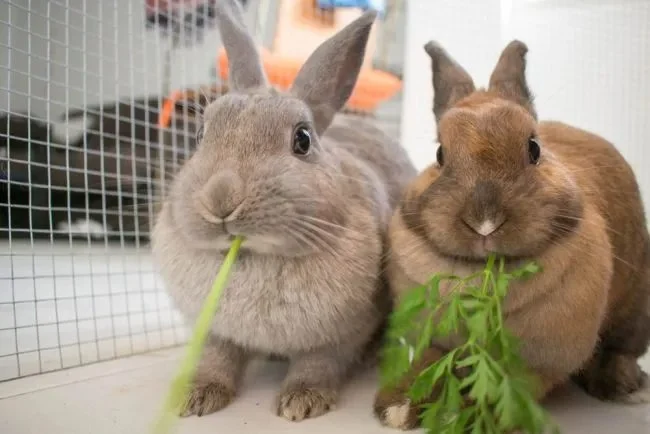
1. Understanding the Needs of Rabbits
Rabbits are wonderful pets that require specific care to stay healthy and happy. In the UK, rabbit ownership has become increasingly popular, but many new rabbit owners are unaware of the unique needs of their furry friends. Preventive care is key to ensuring that your rabbit leads a long and healthy life. By following some simple, proactive steps, you can help your rabbit avoid common health issues and keep them thriving in your home.

Harrison Family Vets, Middleton
Unit 3, St. Georges Retail Park, Ring Rd Middleton, Middleton, Leeds LS10 4TB, UK
2. Regular Health Checkups for Rabbits
Just like any other pet, rabbits require regular health checkups. While rabbits are known to hide their illnesses, there are key signs to watch for, such as changes in their eating habits, behavior, or litter box use. Regular veterinary visits ensure that any underlying health issues are detected early. In the UK, it’s important to find a vet who specializes in rabbits, as they have unique medical needs.

Medivet 24 Hour Thurmaston
ThurmastonLeicestershireEngland
643 Melton Rd, Thurmaston, Leicester LE4 8EB, UK
2.1 Annual Veterinary Exams
Annual vet visits are essential for your rabbit's preventive care. During these visits, the vet will check your rabbit’s teeth, nails, fur, and overall health. Your vet may also recommend vaccinations, particularly for diseases such as Myxomatosis and Rabbit Haemorrhagic Disease (RHD), both of which are common in the UK.
2.2 Spaying and Neutering
Spaying and neutering are important steps in preventive care for rabbits. Not only does this help with behavior management, but it also reduces the risk of certain reproductive cancers and unwanted pregnancies. Consult with your vet about the best time to spay or neuter your rabbit, typically done when they are around four to six months old.
3. Proper Diet for Your Rabbit
A balanced diet is crucial for your rabbit’s health. Rabbits are herbivores and need a diet that is high in fiber. In the UK, many pet owners may be tempted to feed their rabbits commercial pellets, but a diet that includes fresh hay, leafy greens, and vegetables is essential for digestive health and dental care.
3.1 The Importance of Hay and Vegetables
Hay should make up about 80-85% of your rabbit’s diet. It helps with digestion and prevents obesity. Rabbits should also be given fresh vegetables such as parsley, spinach, and carrot tops, but avoid feeding them iceberg lettuce, as it can cause digestive upset. Be sure to offer a variety of vegetables and ensure they are washed thoroughly before serving.
3.2 Pellets and Treats
While pellets can be part of your rabbit’s diet, they should not be the main source of nutrition. Choose high-quality pellets that are free of added sugars and artificial ingredients. Treats such as fruits and herbs should be given in moderation, as too many can lead to obesity or digestive problems.
4. Maintaining Rabbit Hygiene and Grooming
Proper grooming and hygiene are vital to your rabbit’s overall health. Regular grooming helps prevent mats in their fur, reduces shedding, and ensures that their skin remains healthy. Rabbits that don’t groom themselves properly can develop skin issues, such as sores or infections.
4.1 Brushing Your Rabbit
Depending on the breed, your rabbit may require regular brushing. Long-haired rabbits, such as Angora rabbits, need frequent grooming to prevent their fur from matting. Even short-haired rabbits can benefit from regular brushing, especially during shedding seasons, which help remove loose fur and reduce hairballs.
4.2 Nail and Ear Care
Regular nail trimming is necessary to prevent overgrowth, which can lead to discomfort or mobility issues. Rabbit nails should be trimmed every few weeks, but you should be cautious not to cut into the quick (the sensitive part of the nail). Additionally, check your rabbit’s ears for signs of dirt, wax buildup, or infection. If you notice any unusual odor or discharge, seek veterinary care.
5. Preventive Care for Common Rabbit Diseases
Rabbits can be susceptible to several diseases, but many of these can be prevented with proper care and attention. Some of the most common conditions in rabbits include dental disease, gastrointestinal stasis, and respiratory infections. Regular veterinary care and a proper diet will help minimize the risk of these issues.
5.1 Dental Disease
Rabbits’ teeth grow continuously throughout their lives, which means they need to chew on fibrous materials like hay to keep their teeth from overgrowing. If a rabbit’s teeth become too long, it can cause painful abscesses or difficulty eating. Ensure your rabbit always has access to hay to maintain healthy teeth.
5.2 Gastrointestinal Stasis
Gastrointestinal stasis is a condition where a rabbit’s digestive system slows down, which can lead to life-threatening complications. This can be caused by stress, a poor diet, or dehydration. Encourage your rabbit to drink water and offer a fiber-rich diet to keep their digestive system functioning properly.
5.3 Respiratory Infections
Respiratory infections are common in rabbits, particularly in environments with poor ventilation or excessive dust. Make sure your rabbit’s living area is clean, dry, and free of allergens. If your rabbit shows signs of a respiratory infection, such as sneezing, nasal discharge, or lethargy, seek veterinary attention immediately.
6. Where to Find Rabbit Care Products in the UK
If you are looking for high-quality rabbit care products, such as food, grooming supplies, or preventive health items, visit our website, RegPets, where we offer a wide range of rabbit care products designed to help you maintain your pet’s health and happiness.


 Animal Trust Vets CIC - Blackburn4.0 (1406 reviews)
 Oakhill Veterinary Group, Ambleside4.0 (63 reviews)
 Oakbank Veterinary Services5.0 (127 reviews)
 Sunnyside Cattery4.0 (90 reviews)
 The Creature Cabin4.0 (154 reviews)
 Ashwood Veterinary Clinic4.0 (232 reviews)
 UK Pet Owner’s Guide to Spaying and Neutering for Fish – Expert Advice
 Understanding Kitten Behaviour Training: Essential Tips and Solutions
 Common Illnesses Explained: Keeping Your Guinea Pigs Healthy in the UK
 Best Practices for Travel Safety in Puppies: Expert Tips for Safe Journeys
 The Importance of Common Illnesses for Guinea Pigs – UK Edition | RegPets
 Health Checkup Tips for Cats: What UK Pet Owners Need to Know