
- 1. Understanding the Needs of Senior Pets
- 2. Providing a Comfortable Living Environment
- 3. Tailored Nutrition for Aging Pets
- 4. Regular Veterinary Check-ups
- 5. Exercise and Mental Stimulation
- 6. Managing Common Health Issues in Senior Pets
- 7. Grooming and Hygiene for Older Pets
1. Understanding the Needs of Senior Pets
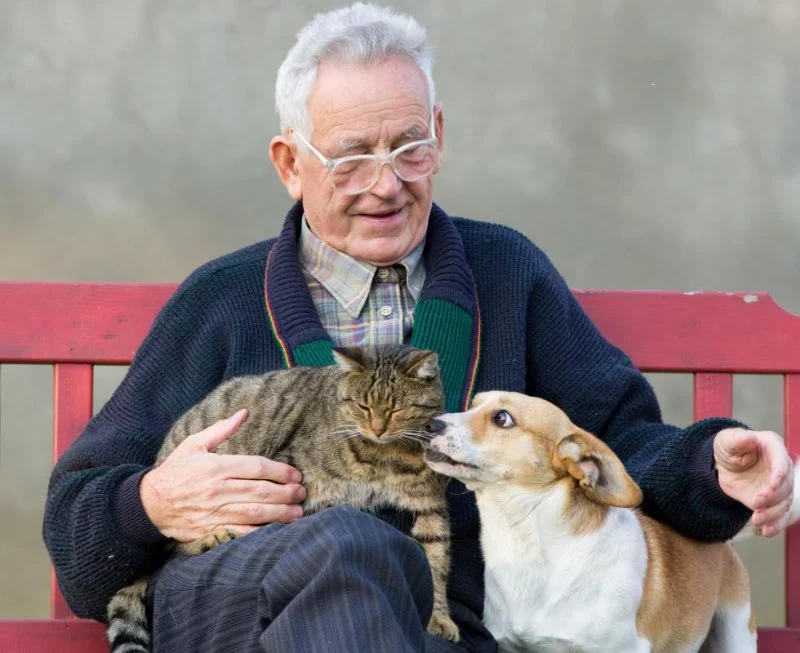
As pets age, their needs change. Senior pets, typically aged seven or older, require more attention and care to ensure they stay healthy and comfortable. Unlike younger pets, senior animals may experience a decline in mobility, energy, and sometimes cognitive function. Recognizing the signs of aging can help you address these needs effectively. For example, you may notice that your pet sleeps more, moves slower, or becomes less playful. These signs are common but should not be ignored. Understanding these changes will allow you to provide the best possible care for your aging companion.

Castle Veterinary Surgeons - Barnard Castle
Montalbo Rd, Barnard Castle DL12 8ED, UK
2. Providing a Comfortable Living Environment
Creating a comfortable and accessible living environment is crucial for senior pets. As they age, pets may struggle with mobility issues such as arthritis or hip dysplasia. Consider making adjustments to your home to accommodate these changes. For example, provide soft bedding in a quiet, easily accessible area, and use ramps or stairs to help them get on and off furniture or into cars. Reducing the amount of clutter or obstacles can also help prevent injuries. If your pet enjoys being outside, ensure their outdoor space is safe, well-fenced, and easily accessible to avoid unnecessary strain.

Vets Now Doncaster
Kirk SandallSouth YorkshireEngland
Unit 2, Station Retail Park, Kirk Sandall, Doncaster DN3 1SE, UK
3. Tailored Nutrition for Aging Pets
Nutrition plays a significant role in the well-being of senior pets. As pets age, their metabolism slows down, and their nutritional needs change. Senior pets may need fewer calories but more specific nutrients, such as joint supplements or vitamins that support healthy organs. Consult with your vet to determine the best diet for your senior pet. You can also consider feeding them senior-formulated food, which often contains more fiber, lower fat, and additional joint support. Don’t forget to provide fresh water regularly and monitor their weight, as obesity is a common problem in older pets.
4. Regular Veterinary Check-ups
Regular check-ups are vital for senior pets. At least once or twice a year, take your pet to the vet for a thorough examination. These check-ups often include blood tests, dental evaluations, and screenings for common aging conditions like kidney disease, arthritis, and heart disease. Early detection can significantly improve the outcome of any health issues your pet may face. Regular vet visits also provide an opportunity for your vet to advise you on specific care recommendations for your pet's aging needs. If you’re looking for trustworthy veterinary services in the UK, consider checking out [RegPets] for more recommendations on pet health and care.
5. Exercise and Mental Stimulation
While senior pets may not have the same energy levels as when they were younger, they still need regular exercise and mental stimulation. Exercise helps maintain their muscle mass, joint flexibility, and overall mobility. Keep walks shorter and slower, but more frequent. You may also want to introduce low-impact activities like swimming or gentle playtime. Mental stimulation is just as important. Puzzle toys, new training techniques, or even just interactive play can help keep your pet’s mind sharp. Older pets still enjoy interaction and engagement, so don’t overlook these activities as part of their routine.
6. Managing Common Health Issues in Senior Pets
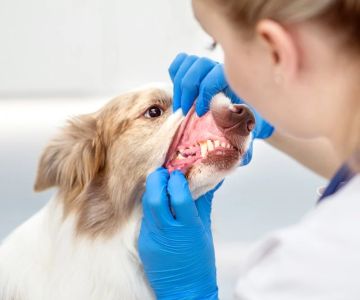
Senior pets are prone to a variety of health issues. Some of the most common problems include arthritis, dental disease, and cognitive dysfunction. Arthritis is one of the most common conditions affecting older pets, and it can cause pain and difficulty moving. Fortunately, medications, joint supplements, and physical therapy can help manage this condition. Dental disease is another significant concern for senior pets, and regular dental cleanings are important to prevent infection and tooth loss. Cognitive dysfunction, similar to dementia in humans, can cause confusion and anxiety in older pets. There are treatments available to slow the progression of this condition, and your vet can offer the best advice.
7. Grooming and Hygiene for Older Pets
Grooming is essential for senior pets, as they may not be able to groom themselves as effectively as they once did. Regular brushing will help maintain their coat and prevent matting, especially if they have long fur. It also provides an opportunity to check for skin issues or lumps. Additionally, older pets often have more sensitive skin, so using gentle grooming products is essential. Bathing should be done as needed, but not too frequently, as it can dry out their skin. Ensure their nails are trimmed regularly, and don’t neglect their ears and eyes, which may require more frequent cleaning as they age.



 Two Counties Vets4.0 (221 reviews)
 Vets Now Doncaster4.0 (309 reviews)
 The Equine Dental Vet5.0 (3 reviews)
 Ideal Pet Stores4.0 (26 reviews)
 Heath Vets - Penarth4.0 (65 reviews)
 Abbey Vet Centre4.0 (45 reviews)
 Top 10 Puppy and Kitten Care Tips Every Dog Owner in the UK Should Know
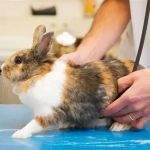 The Importance of Health Checkups for Rabbits – UK Edition
 How to Manage Your Pet’s Weight and Prevent Obesity
 Top 10 Urgent Signs Your Pet Needs to See a Vet in the UK
 How to Choose the Right Pet Food for Your Dog or Cat in the UK
 How to Manage Your Pet’s Weight and Prevent Obesity: A Complete Guide