
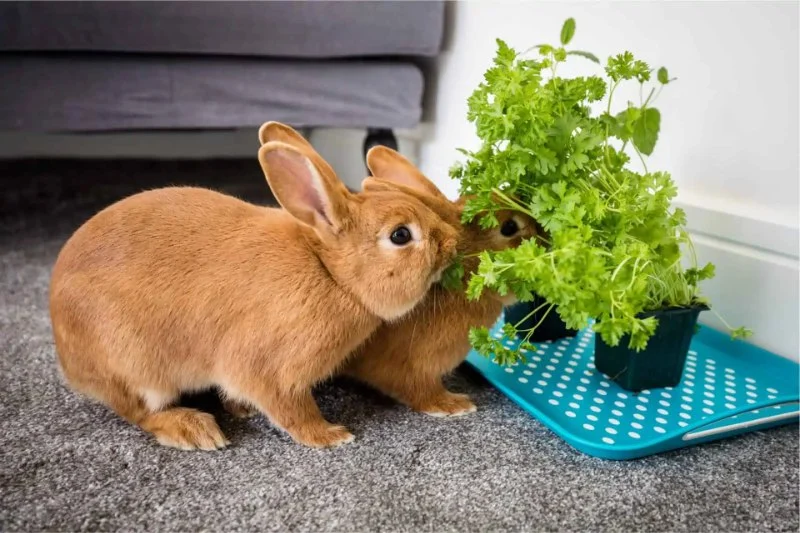
- 1-Understanding Rabbit Nutrition
- 2-Essential Nutrients for Rabbits
- 3-Best Foods for Your Rabbit
- 4-Foods to Avoid for Your Rabbit’s Health
- 5-The Importance of Water for Rabbits
- 6-Common Feeding Mistakes to Avoid
- 7-Expert Recommendations from RegPets
1. Understanding Rabbit Nutrition
Proper nutrition is vital for your rabbit’s health and well-being. A balanced diet supports their digestive system, boosts immunity, and helps maintain a healthy weight. Rabbits have unique dietary requirements that differ from other pets, and understanding these needs is the first step in providing them with a long, happy life. A vet-approved rabbit diet ensures that your bunny is getting all the essential nutrients while avoiding potential health issues caused by poor eating habits.

2. Essential Nutrients for Rabbits
Rabbits require a balanced intake of several essential nutrients to maintain their health. These include fiber, protein, vitamins, and minerals. Let’s dive deeper into these nutrients:

Pets Corner
Pugh's Garden Centre, Ty-Nant Rd, Radyr, Morganstown, Cardiff CF15 8LB, UK
Fiber
Fiber is the cornerstone of a rabbit’s diet, crucial for proper digestion and the prevention of obesity. It helps maintain gut motility, preventing gastrointestinal stasis, a potentially life-threatening condition. Hay, particularly Timothy hay, is the best source of fiber for rabbits. Always ensure your rabbit has unlimited access to high-quality hay to support their digestive health.
Protein
Protein supports growth and tissue repair in rabbits, but it should be offered in moderation. Excessive protein can lead to kidney problems and obesity. Hay and fresh vegetables are generally sufficient to meet your rabbit's protein needs. Avoid offering high-protein foods like alfalfa hay to adult rabbits, as it can cause health issues.
Vitamins and Minerals
Rabbits need certain vitamins and minerals, especially Vitamin A and calcium. While vegetables like carrots and spinach can provide these nutrients, too much calcium can lead to bladder problems, so be mindful of the amount of calcium-rich food in their diet. A well-rounded diet with fresh vegetables and the occasional fruit will usually cover your bunny’s vitamin and mineral requirements.
3. Best Foods for Your Rabbit
Offering a variety of healthy foods ensures that your rabbit gets all the necessary nutrients. Here are the best food options for your rabbit:
Hay
As mentioned earlier, hay is the most important food for your rabbit. It should make up the majority of their diet. Timothy hay, Meadow hay, and Orchard grass are some of the best types of hay you can offer. They are rich in fiber, which helps prevent obesity and digestive issues.
Fresh Vegetables
Fresh, leafy greens such as Romaine lettuce, parsley, and cilantro are excellent choices. Dark, leafy greens provide essential vitamins and minerals while keeping your rabbit’s digestive system healthy. Offer a variety of vegetables daily to keep your rabbit’s diet interesting.
Fresh Fruits
Fruits should be fed in moderation, as they are higher in sugar. Some good options include apples (without seeds), blueberries, strawberries, and bananas. These can serve as occasional treats for your rabbit but should not replace hay or vegetables.
4. Foods to Avoid for Your Rabbit’s Health
While it’s important to know what to feed your rabbit, it’s equally crucial to know what to avoid. Some foods can cause serious health problems for your rabbit:
- Lettuce (Iceberg): Iceberg lettuce contains very little nutritional value and can cause diarrhea.
- Chocolate: Chocolate is toxic to rabbits and should never be fed to them.
- Potatoes: Potatoes and other starchy vegetables can lead to gastrointestinal issues.
- Human Junk Food: Processed foods, chips, or sugary snacks should never be given to your rabbit.
5. The Importance of Water for Rabbits
Water is essential to keep your rabbit hydrated and support their digestive system. Always provide fresh water in a clean bottle or bowl. Dehydration can lead to serious health issues, including kidney problems, so ensure your rabbit has constant access to water throughout the day. In addition, water helps regulate your rabbit’s body temperature and keeps their kidneys functioning properly.
6. Common Feeding Mistakes to Avoid
Even experienced rabbit owners can sometimes make mistakes in their rabbit’s diet. Here are some common feeding errors to avoid:
- Feeding Too Many Carrots: Carrots are high in sugar and should only be given as an occasional treat, not a staple food.
- Overfeeding Pellets: Pellets should not make up more than 10% of your rabbit’s diet. Overfeeding pellets can lead to obesity and other health problems.
- Inconsistent Vegetable Intake: Introduce new vegetables slowly, and avoid feeding large quantities of a single type, as this can cause digestive issues.
7. Expert Recommendations from RegPets
At RegPets, we are committed to helping you provide the best care for your rabbit. We offer a range of high-quality, vet-approved rabbit food, including premium hay, fresh vegetables, and healthy treats. Visit our website for more expert advice on rabbit care and to find the best products to keep your bunny happy and healthy.





 Gone Barking5.0 (7 reviews)
 Peejay Pet Superstore Ltd4.0 (1173 reviews)
 Sheerbliss Cattery5.0 (19 reviews)
 Calcaria Veterinary Practice4.0 (90 reviews)
 Crookedstone Cattery0.0 (0 reviews)
 Apisto Aquatics5.0 (25 reviews)
 Top 10 Behaviour Training Every Reptile Owner in the UK Should Know
 Common Vaccination Myths Debunked by UK Vets
 How to Handle Emergency Situations with Your Pet | Pet Safety Tips
 Complete Guide to Nutrition Tips for Hamsters: What Your Pet Needs to Stay Healthy
 Dealing with Anxiety and Stress in Pets: Vet Advice for UK Pet Owners
 Top 10 Behaviour Training Every Guinea Pig Owner in the UK Should Know