
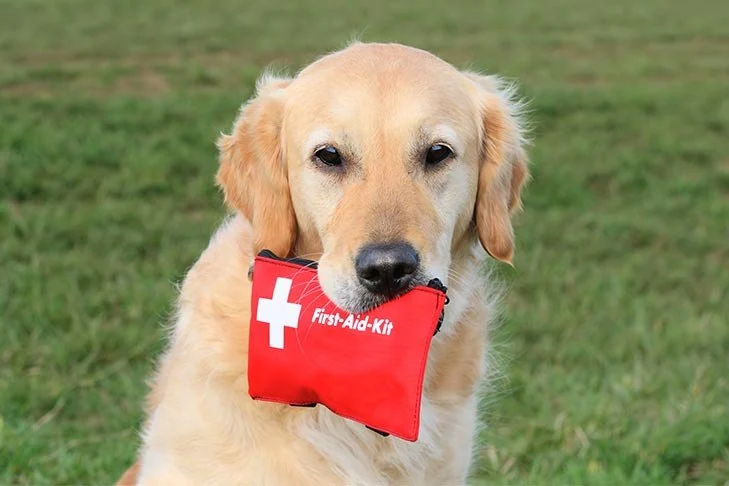
Complete Guide to First Aid Tips for Dogs
As a responsible dog owner, it's essential to be prepared for emergencies and know how to handle situations when your dog gets hurt. Whether it’s a minor scrape or a more serious injury, understanding basic first aid for dogs can make a significant difference in the well-being of your pet. In this guide, we will walk you through essential first aid tips for dogs, covering everything from common injuries to the key items you should include in your pet first aid kit.

1. Understanding Common Dog Injuries
Dogs are naturally curious and adventurous, which can sometimes lead to accidents. Whether your dog is playing in the yard or out for a walk, injuries can happen. It's important to know the types of injuries that are most common in dogs and how to handle them.

Happy Pets & Aquatics
Walton-le-DaleLancashireEngland
9 Hennel Ln, Walton-le-Dale, Preston PR5 4LA, UK
1.1 Cuts and Scrapes
Dogs often get minor cuts and scrapes when playing outside, especially if they run through thorny bushes or rough terrain. These wounds are usually not life-threatening, but they can be painful and become infected if not treated properly.
1.2 Broken Nails
Dogs can break their nails while running or jumping. A broken nail can cause bleeding and be extremely painful. Immediate care is essential to prevent further injury and infection.
1.3 Bites and Stings
Dogs can be bitten by other animals or stung by insects like bees and wasps. While most bites are not serious, they can still cause swelling, pain, and infection. Knowing how to treat these injuries is crucial for your dog's comfort and health.
2. Essential First Aid Tips for Dogs
When your dog is injured, it’s important to act quickly and calmly. Here are some essential first aid steps to follow:
2.1 Apply Pressure to Stop Bleeding
If your dog is bleeding, the first step is to apply pressure to the wound using a clean cloth or gauze. Hold the pressure until the bleeding stops. If the bleeding is severe and does not stop after 10-15 minutes, seek immediate veterinary care.
2.2 Cleaning and Disinfecting Wounds
Once the bleeding has stopped, gently clean the wound with warm water and mild soap. You can also use a pet-safe antiseptic solution to disinfect the area. Avoid using human antiseptics like hydrogen peroxide, as they can be too harsh for your dog's skin.
2.3 Dealing with Scratched or Broken Nails
If your dog has a broken nail, carefully trim the nail back to the point where it is no longer painful. If there is bleeding, apply pressure using a clean cloth. For severe cases, such as when the nail is torn, it's best to contact your vet.
2.4 Treatment for Bites and Stings
If your dog has been bitten or stung, wash the area with warm water to remove any debris. Apply a cold compress to reduce swelling and relieve pain. If the bite is from another animal, or if there is severe swelling, take your dog to the vet for further treatment.
3. Building Your Dog's First Aid Kit
A well-stocked first aid kit is essential for handling emergencies at home or while traveling with your dog. Here are the key items you should include in your dog’s first aid kit:
3.1 Bandages and Dressing
Bandages and gauze are crucial for covering wounds and preventing infection. Make sure to have a variety of sizes on hand for different types of injuries.
3.2 Antiseptic Wipes
Antiseptic wipes or sprays designed for pets are important for cleaning wounds and preventing infections.
3.3 Sterile Adhesive Tape
Adhesive tape helps secure bandages in place. It’s important to choose a tape that is gentle on your dog’s skin.
3.4 Pet-Safe Pain Reliever
Having a pet-safe pain reliever in your first aid kit can help manage minor pain or discomfort caused by injuries. Always consult your vet before using any medication.
3.5 Tweezers and Scissors
For removing splinters, ticks, or other foreign objects, keep a pair of tweezers and small scissors in your kit. Make sure they are sterilized before use.
4. When to See a Vet
While most minor injuries can be treated at home, there are times when your dog will require professional care. Seek veterinary assistance in the following situations:
4.1 Severe Bleeding
If bleeding does not stop after applying pressure for several minutes, it’s time to take your dog to the vet.
4.2 Fractures and Limb Injuries
If your dog is limping, refuses to walk, or you suspect a broken bone, take them to the vet immediately for proper care and treatment.
4.3 Suspected Poisoning
If your dog has ingested something toxic or is showing signs of poisoning (vomiting, drooling, weakness), take them to the vet immediately.
5. How RegPets Can Help
At RegPets, we offer a wide range of products to help keep your dog safe and healthy. From first aid kits to essential care items, we provide everything you need for your dog’s well-being. Visit us today to find the best products for your furry friend!



 Oakhill Vets - Kirkham Branch4.0 (158 reviews)
 Sudells & Co Pet Supplies and Seed Merchant4.0 (137 reviews)
 Ayres Veterinary Hospital - North Shields3.0 (67 reviews)
 Kentdale Referrals4.0 (296 reviews)
 Vets for Pets Rotherham4.0 (417 reviews)
 Jollyes - The Pet People York4.0 (5 reviews)
 How to Choose the Right Pet Food for Your Dog or Cat
 Essential Tips for Caring for Senior Pets: A Complete Guide for Pet Owners
 Dealing with Anxiety and Stress in Pets: Vet Advice on Managing Pet Stress
 How to Spot Signs of Arthritis in Older Pets | Early Detection and Management
 The Importance of Microchipping Your Pet in the UK
 How to Handle Emergency Situations with Your Pet: A Complete Guide