RegPets
HomePet CheckupsPet Shop Near MeVets Near Me
EnglandNorthern IrelandScotlandWales

RegPetsPet Checkups

Essential Tips for Caring for Senior Pets: A Complete Guide for Pet Owners

Essential Tips for Caring for Senior Pets: A Complete Guide for Pet Owners
  • -Essential Tips for Caring for Senior Pets
  • -How to Recognize the Signs of Aging in Pets
  • -Diet and Nutrition for Senior Pets
  • -Exercise and Mental Stimulation for Older Pets
  • -Veterinary Care for Senior Pets

1. Essential Tips for Caring for Senior Pets

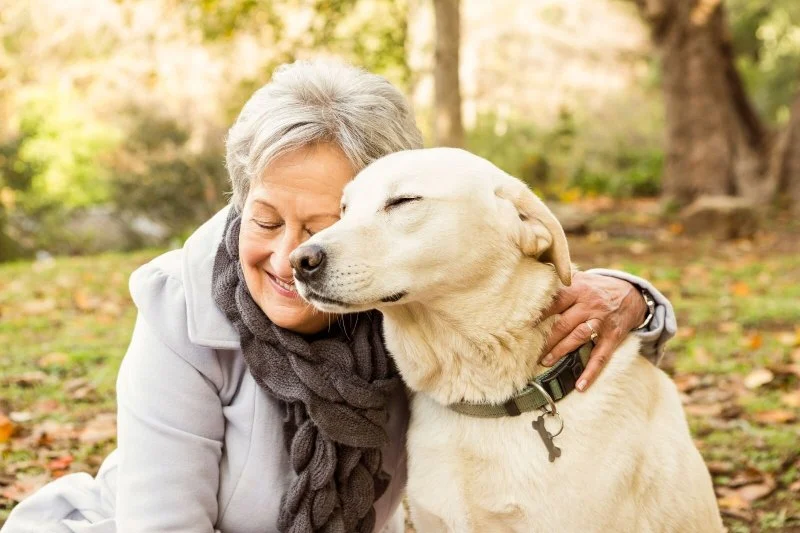
As your pet enters their senior years, their needs change. Just like humans, older pets require special care to stay healthy, comfortable, and happy. While some signs of aging are normal, others may indicate health issues that require attention. Caring for senior pets goes beyond just providing food and water—it involves regular checkups, proper nutrition, and lifestyle adjustments that promote their overall well-being.This guide provides essential tips for ensuring your senior pet lives a long, healthy, and fulfilling life.

2. How to Recognize the Signs of Aging in Pets

Recognizing the signs of aging is crucial for adjusting your pet's care. The aging process can affect every aspect of their health, from mobility to appetite. Understanding these changes allows you to address potential health issues early and provide the best care possible.

2.1 Reduced Activity and Mobility

One of the first signs of aging in pets is reduced activity levels. Senior pets may not be as enthusiastic about walks or playtime as they once were. They might struggle with stairs or exhibit stiffness after exercise. If you notice your pet slowing down, it could be a sign of joint pain or arthritis, which are common in older pets.

2.2 Changes in Appetite or Weight

As pets age, their metabolism slows down, and they may either lose interest in food or gain weight due to decreased activity. Both issues should be addressed with the help of your veterinarian to ensure your pet remains at a healthy weight.

2.3 Behavioral Changes

Older pets may exhibit changes in behavior, such as increased irritability, anxiety, or confusion. Cognitive dysfunction, akin to dementia in humans, can affect senior dogs and cats, leading to disorientation, sleep disturbances, and loss of housetraining skills.

3. Diet and Nutrition for Senior Pets

Diet plays a significant role in maintaining the health and comfort of senior pets. As pets age, their nutritional needs change, and it is essential to adjust their diet accordingly. A well-balanced diet can help prevent obesity, manage arthritis, and support overall health.

3.1 Senior-Specific Pet Food

There are specially formulated senior pet foods that cater to the unique nutritional needs of aging animals. These foods typically have lower calorie content, reduced fat levels, and higher fiber content to aid digestion and prevent weight gain. They may also include joint-supporting ingredients like glucosamine and omega fatty acids to promote joint health.

3.2 Portion Control and Regular Meals

To prevent obesity, which is common in senior pets, it's important to monitor their food intake. Divide their daily food into regular meals and avoid free-feeding. Portion control ensures that your pet gets the right amount of nutrition without overindulging, which can lead to weight gain.

3.3 Fresh Water and Hydration

Hydration is crucial for senior pets, especially as they become less active. Ensure your pet has access to fresh water at all times, as dehydration can exacerbate health problems like kidney disease and urinary tract infections. Adding wet food to their diet can also help with hydration.

4. Exercise and Mental Stimulation for Older Pets

While senior pets may not be as energetic as they once were, regular exercise and mental stimulation are still essential for their health. It’s important to keep them engaged and physically active, but also be mindful of their limitations.

4.1 Tailored Exercise Plans

Older pets may not have the stamina or flexibility they once had, but they still benefit from light, regular exercise. Shorter walks and low-impact activities like swimming or gentle play can help keep your pet's muscles strong and maintain healthy joints. Pay attention to your pet's response during exercise, and stop if they seem fatigued or in pain.

4.2 Mental Stimulation and Enrichment

Mental stimulation is just as important as physical activity. Older pets may become bored or anxious, so it’s essential to keep their minds active. Puzzle toys, interactive games, and new activities can help prevent cognitive decline and keep your senior pet engaged.

4.3 Comfort and Rest

Older pets may need more rest than younger ones, and providing a comfortable resting spot is essential. Soft, supportive bedding can help alleviate joint pain and allow your pet to rest more easily. Ensure they have a quiet, peaceful place to sleep where they feel safe and secure.

5. Veterinary Care for Senior Pets

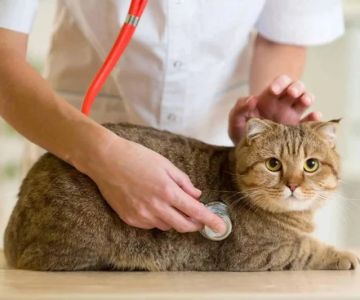
Regular veterinary checkups are essential for detecting and managing health issues in senior pets. The earlier health problems are identified, the easier they are to treat and manage.

5.1 Routine Health Checkups

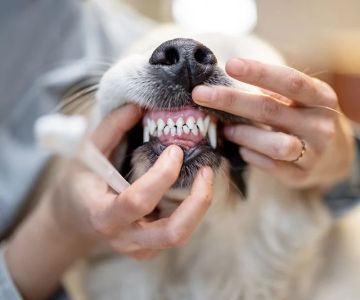
Senior pets should have veterinary checkups at least once every six months. These checkups may include blood tests, urine tests, dental exams, and screenings for common senior pet diseases like arthritis, kidney disease, or heart disease. Your vet will also assess your pet's overall health and make recommendations for preventive care.

5.2 Vaccinations and Preventive Treatments

Just because your pet is older doesn’t mean they no longer need vaccinations. Keep up with their immunizations and preventive treatments, such as flea, tick, and heartworm prevention. This will help protect them from common parasites and diseases that could worsen their health.

5.3 Pain Management and Comfort

Many senior pets suffer from joint pain and arthritis, which can significantly impact their quality of life. Your veterinarian can recommend pain management strategies, such as medication, joint supplements, and physical therapy, to keep your pet comfortable.

5.4 End-of-Life Care

As your pet ages, you may face difficult decisions regarding end-of-life care. It’s important to discuss options with your vet, including palliative care, hospice services, and when to consider euthanasia to avoid unnecessary suffering. Your vet can guide you through this challenging process and help you make the most compassionate choice for your pet.For more tips on caring for senior pets, visit RegPets for a wide selection of pet care products and services tailored to the needs of older animals.

Popular Blog Posts

Categories

Top Visited Sites

Trending Pet Checkups Posts