
- 1. How to Handle a Hamster Emergency
- 2. Recognising Common Health Issues in Hamsters
- 3. Essential First Aid Items for Hamsters
- 4. How to Deal with a Hurt Hamster
- 5. Steps to Take If Your Hamster Is Ill
- 6. How to Prevent Hamster Injuries
- 7. What to Do If Your Hamster Is Unconscious
- 8. How to Treat Hamster Skin Injuries
- 9. How to Administer Medication to Your Hamster
- 10. When to See a Vet for Your Hamster
1. How to Handle a Hamster Emergency
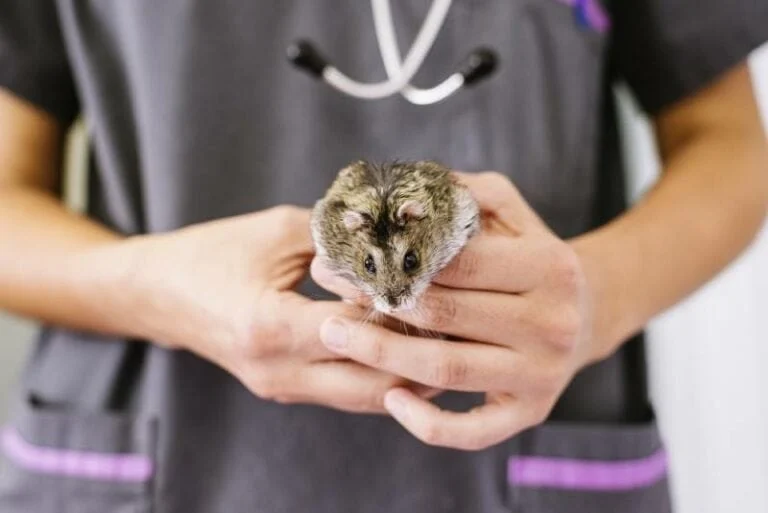
As a hamster owner, being prepared for emergencies is crucial. Whether it's an injury or sudden illness, quick action can make a big difference. The first thing to do in any emergency situation is to stay calm. Hamsters are small, fragile creatures, and stress can make their condition worse. It's important to know how to quickly assess the situation and determine the next steps for first aid or seeking professional help.

The Reef Experience
Unit 1, Bowburn North Industrial Estate, Ind Estate, Bowburn, Durham DH6 5PF, UK
2. Recognising Common Health Issues in Hamsters
Hamsters can suffer from a range of health problems, from respiratory issues to digestive problems. Recognising the early signs of illness is key to preventing further harm. Some common health issues include:
- Wet Tail: A serious bacterial infection that causes diarrhoea and is often life-threatening if not treated immediately.
- Respiratory Infections: Symptoms include laboured breathing, wheezing, or nasal discharge.
- Dental Problems: Hamsters may experience difficulty eating if their teeth grow too long.
Regular observation is important to catch these problems early. If you notice any of these signs, it’s time to act fast.

3. Essential First Aid Items for Hamsters
Having a well-stocked first aid kit for your hamster can make a significant difference in an emergency. Some essential items to have on hand include:
- Antiseptic solution: For cleaning wounds or cuts.
- Hydration fluids: In case your hamster is dehydrated or experiencing diarrhoea.
- Bandages and gauze: To help with minor injuries or scrapes.
- Thermometer: To monitor your hamster’s temperature if you suspect illness.
- Tweezers: To remove splinters or foreign objects.
Keep these items in a safe, easy-to-access place so you can respond quickly in emergencies.
4. How to Deal with a Hurt Hamster
If your hamster has been injured, the first thing to do is to assess the injury. If it’s minor, you can clean the wound and apply a bandage. However, for more serious injuries, such as broken limbs, it’s important to get your hamster to a vet immediately. To help manage the pain and prevent further injury, handle your hamster gently and avoid stressing them out.
5. Steps to Take If Your Hamster Is Ill
If your hamster shows signs of illness, such as lethargy or loss of appetite, the first step is to isolate them from other pets and provide a quiet, warm space. Keep them hydrated and offer food that’s easy to eat, such as soft fruits or vegetables. If the symptoms persist or worsen, it's best to seek veterinary care. Remember, early intervention is key to a speedy recovery.
6. How to Prevent Hamster Injuries
Prevention is always better than treatment. To avoid injuries, ensure your hamster’s living environment is safe. Avoid sharp objects in their cage, and make sure their exercise wheel is appropriately sized and safe. Regularly check their bedding and toys for any hazards that could lead to injury.
7. What to Do If Your Hamster Is Unconscious
If your hamster is unconscious, it is essential to act quickly. Place them on a warm surface to help revive them. If they are not breathing, gently blow air into their nose or give CPR if you are trained to do so. Once they begin breathing, keep them calm and take them to the vet immediately for further care.
8. How to Treat Hamster Skin Injuries
Skin injuries in hamsters, such as scratches or bites, can often be treated with simple first aid. Clean the wound with antiseptic and apply a small bandage. Keep an eye on the injury for signs of infection. If the injury is severe or doesn’t improve, seek veterinary help right away.
9. How to Administer Medication to Your Hamster
Administering medication to your hamster can be tricky, but it’s necessary when they are ill. The best way to give medication is by mixing it with their food or water. If that’s not possible, you may need to use a syringe to administer the medication directly into their mouth. Be gentle and ensure your hamster is calm to avoid stress.
10. When to See a Vet for Your Hamster
While basic first aid can address many health issues, it’s important to know when to seek professional help. If your hamster has a serious injury, a persistent illness, or shows signs of distress that don’t improve, visit a vet as soon as possible. A vet will be able to diagnose the issue and provide the best treatment options for your furry friend.




 Yorkshire Vets - Morley4.0 (281 reviews)
 Dudley's Natural Doggy Treats4.0 (15 reviews)
 Station House Vets Small Animal & Equine Practice5.0 (63 reviews)
 Newcastle-Upon-Tyne PDSA Pet Hospital4.0 (933 reviews)
 Grosvenor Tropicals4.0 (816 reviews)
 LK9 Raw Ltd5.0 (9 reviews)
 How to Handle Emergency Situations with Your Pet – Essential Tips & Advice
 Improve Fish Mental Health at Home: Tips and Recommendations
 How to Spot Signs of Arthritis in Older Pets – UK Pet Owner’s Guide
 Best Practices for Skin and Coat Care in Fish: Keeping Your Aquarium Pets Healthy
 What to Expect During Your Pet’s First Vet Visit in the UK
 How to Improve Kittens Common Illnesses at Home