
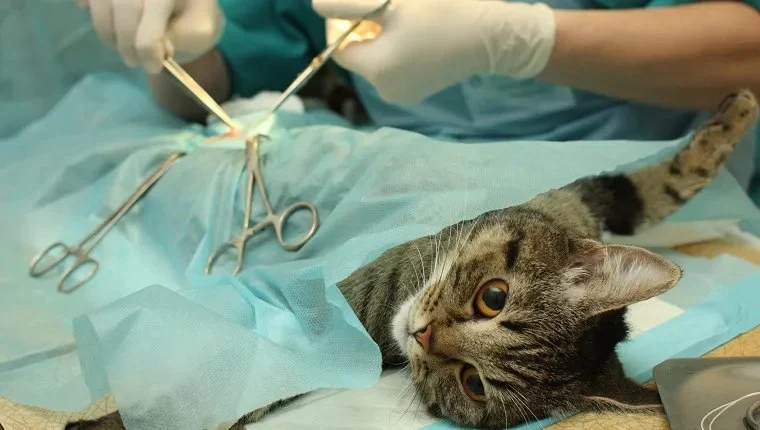
1. Why Spaying and Neutering is Important
Spaying and neutering are essential procedures for responsible pet ownership. These surgeries help control the population of stray and abandoned animals, reduce certain health risks, and improve your cat’s quality of life. Spaying refers to the removal of a female cat’s ovaries and uterus, while neutering is the removal of a male cat’s testes. Both procedures prevent unwanted pregnancies and eliminate some behavioural problems.

Church View Cattery
BrauncewellLincolnshireEngland
1 Church Cottage, Brauncewell, Sleaford NG34 8RQ, UK
2. Benefits of Spaying and Neutering Cats
The decision to spay or neuter your cat is one of the most beneficial actions you can take as a pet owner. Let’s explore the key benefits of these procedures:

The Pet Shop
Knott End-on-SeaLancashireEngland
38 Lancaster Rd, Knott End-on-Sea, Poulton-le-Fylde FY6 0AU, UK
2.1 Health Benefits
Spaying and neutering can significantly reduce the risk of certain health problems. For females, spaying eliminates the risk of ovarian cancer and greatly reduces the risk of uterine infections. It also prevents unplanned pregnancies, which can strain your cat’s health and well-being. For males, neutering reduces the risk of prostate problems and eliminates the risk of testicular cancer.
2.2 Behavioral Benefits
Cats that are spayed or neutered often exhibit better behavior. Neutering males can reduce aggressive behaviour and the tendency to mark their territory with urine. Female cats, on the other hand, will no longer go into heat, preventing the behaviours associated with that, such as loud yowling and restlessness.
2.3 Prevention of Overpopulation
One of the most important reasons for spaying and neutering is the prevention of overpopulation. Thousands of cats are abandoned each year due to unplanned pregnancies. Spaying and neutering help reduce the number of stray cats and promote responsible pet ownership.
3. The Best Time to Spay or Neuter Your Cat
While spaying and neutering can be done at any age, the ideal time for these procedures is when your cat is between 4 and 6 months old. At this age, the cat is usually mature enough for the surgery, but still young enough to experience fewer risks and quicker recovery. However, some veterinarians may recommend different timelines based on the cat’s breed or health status.
3.1 Early-Age Spaying and Neutering
In recent years, many veterinarians have advocated for early-age spaying and neutering, which involves performing the surgery on kittens as young as 8 weeks old. Research has shown that early-age procedures do not affect the kittens' growth or development and can help reduce the number of unwanted kittens in shelters.
3.2 Spaying or Neutering Adult Cats
While it is ideal to spay or neuter cats when they are young, adult cats can still benefit from these procedures. If you have an older cat, consult with your veterinarian to determine the best time for the surgery based on your cat’s overall health.
4. The Spaying and Neutering Surgery Process
Both spaying and neutering are relatively straightforward surgical procedures, performed under general anesthesia to ensure your cat remains unconscious and pain-free during the surgery. Let’s break down the process:
4.1 Pre-Surgery Preparations
Before the procedure, your veterinarian will perform a health check-up to ensure your cat is in good condition for surgery. You’ll typically be asked to withhold food for 12 hours before the procedure to reduce the risk of complications. It’s also essential to ensure your cat is up to date on vaccinations and parasite treatments before surgery.
4.2 The Surgery
The actual spaying or neutering procedure typically takes between 20 to 30 minutes. During the surgery, your cat will be given a small incision, and the reproductive organs will be removed. Afterward, the incision will be closed with stitches, and your cat will be monitored as they recover from anesthesia.
4.3 Post-Surgery Care
After the surgery, your cat may need to stay in the clinic for a few hours for observation. At home, ensure your cat has a quiet, comfortable place to rest and recover. Follow your veterinarian’s instructions on caring for the incision site, and avoid letting your cat jump or run for a few days to prevent the incision from opening. Pain relief medication will be prescribed to manage any discomfort during recovery.
5. Managing Your Cat After Surgery
Proper post-surgery care is essential for your cat’s recovery. Here are some tips to help ensure your cat heals quickly and comfortably:
5.1 Monitoring the Incision
Check the incision site regularly for signs of infection, such as redness, swelling, or discharge. If you notice any of these symptoms, contact your veterinarian immediately. Keep the area clean and dry, and prevent your cat from licking or scratching the incision using an Elizabethan collar if needed.
5.2 Providing Comfort and Rest
Ensure your cat has a quiet, warm place to recover. Avoid loud noises or other pets that may cause stress, as it could slow down the healing process. Keep your cat indoors and prevent them from engaging in vigorous activity until they have fully recovered.
5.3 Resuming Regular Activities
Once your cat has fully healed, they can return to their normal activities. It’s important to gradually reintroduce them to regular playtime and exercise. Regular follow-up visits to the vet will ensure that your cat continues to recover well.
6. Benefits of Spaying and Neutering for Cats
Spaying and neutering have long-term benefits for your cat’s health and well-being. Not only does it prevent unwanted pregnancies, but it also reduces the risk of certain cancers, improves behaviour, and helps curb the stray cat population. It’s a responsible choice for pet owners who want to ensure their cats live healthy and happy lives.
7. Where to Get Spaying and Neutering Services
If you’re looking for reliable and affordable spaying and neutering services for your cat, RegPets offers expert veterinary care. Our team of professionals will guide you through the process, ensuring your cat receives the best care before, during, and after the surgery.
8. Conclusion: Responsible Pet Ownership
Spaying and neutering are essential steps in responsible cat ownership. These procedures not only benefit your cat’s health but also contribute to the overall well-being of the community by reducing the number of unwanted pets. By following best practices for spaying and neutering, you are ensuring a healthier, happier life for your cat. For expert services and advice, visit RegPets today.




 Pawsitive Relief Veterinary Rehabilitation5.0 (4 reviews)
 Harrison Family Vets, Stockon-on-Tees4.0 (115 reviews)
 Squirrel Lodge Centre4.0 (15 reviews)
 Medivet Darlington Stanhope Rd4.0 (339 reviews)
 Wagtails4.0 (50 reviews)
 Barkers4.0 (11 reviews)
 Vet-Approved Behaviour Training for Senior Pets: A Guide to a Happier, Healthier Pet
 Best Practices for Skin and Coat Care in Fish: Keeping Your Aquarium Pets Healthy
 How to Choose the Right First Aid Tips for Fish in the UK
 The Ultimate Guide to Vaccinations for Dogs and Cats in the UK
 Dealing with Anxiety and Stress in Pets: Expert Vet Advice for UK Pet Owners
 Best Practices for Preventive Care in Dogs