
- 1. Why Emergency Vet Care for Birds Is Crucial
- 2. Recognizing the Symptoms of a Bird in Distress
- 3. First Aid Steps for Birds in Emergencies
- 4. How to Choose the Right Emergency Vet for Birds
- 5. Real-Life Example: A Bird's Emergency Journey
1. Why Emergency Vet Care for Birds Is Crucial
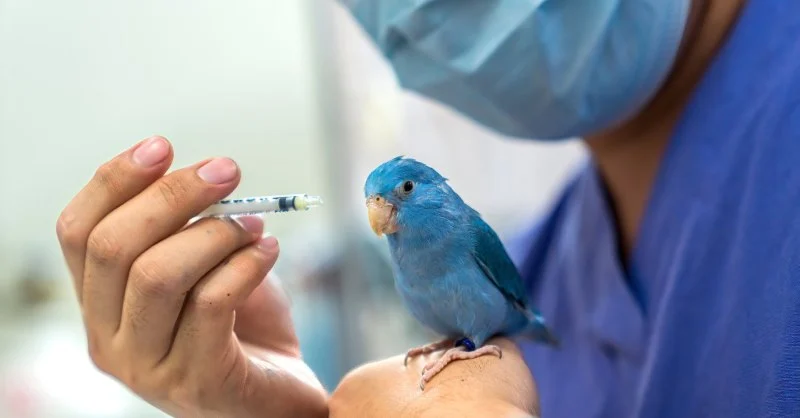
Birds are unique pets, and they often hide signs of illness until they become severe. This makes emergency care even more critical, as quick intervention can mean the difference between life and death. Birds, unlike dogs and cats, are particularly vulnerable to stress, sudden changes in their environment, and even mild illnesses that can quickly escalate.
In the UK, where pet birds are increasingly popular, knowing when to seek emergency vet care can help you avoid unnecessary harm and ensure your bird stays healthy. Recognising the signs of distress and knowing basic emergency care practices are vital for any bird owner, particularly for exotic bird species that may not be as commonly understood by general vets.

2. Recognizing the Symptoms of a Bird in Distress
Birds often hide their symptoms until they are very ill. As a responsible pet owner, it’s crucial to be observant of even subtle behavioral changes. Here are some key signs that your bird might be in distress and require immediate veterinary attention:

Mutts Menu
Annfield PlainCounty DurhamEngland
Unit 11, Willow Way Industrial Estate, GREENCROFT INDUSTRIAL PARK, Annfield Plain, Stanley DH9 7YB, UK
2.1 Fluffed-Up Feathers
If your bird is puffing up its feathers and sitting lethargically, this is a sign of distress. Birds will fluff their feathers when they are cold or unwell, and this could indicate a respiratory infection or another internal issue.
2.2 Changes in Eating or Drinking Habits
A sudden decrease in appetite or water consumption can be a sign that something is wrong. In some cases, this could indicate digestive issues, infections, or organ problems. Similarly, excessive drinking or eating can also be a red flag.
2.3 Difficulty Breathing
Any difficulty breathing, such as open-mouth breathing, wheezing, or rapid breathing, should be treated as an emergency. This could point to respiratory distress, which is common in birds, especially in urban environments with poor air quality.
2.4 Abnormal Droppings
Bird droppings should be solid with a white cap. Changes in the consistency, colour, or smell of your bird’s droppings could be indicative of infection, digestive issues, or stress. Always monitor your bird’s droppings as part of their daily health check.
2.5 Abnormal Behaviour or Aggression
If your normally docile bird starts behaving aggressively, acting disoriented, or showing other unusual behaviour, this could signal an illness, pain, or stress. It’s important to assess the situation and seek help from a vet if necessary.
3. First Aid Steps for Birds in Emergencies
Knowing how to handle a bird in an emergency can save valuable time and potentially reduce the severity of the issue. Here are some first aid steps to take if your bird is in distress:
3.1 Keep Your Bird Calm
Stress can exacerbate any condition your bird may be experiencing. Try to keep the environment calm and quiet. Gently handle your bird, keeping it still and warm. Avoid unnecessary handling until you can get to the vet.
3.2 Isolate the Bird
If you have multiple birds, separate the affected bird immediately to prevent the potential spread of disease. Place them in a quiet, safe, and comfortable environment away from any distractions.
3.3 Provide a Source of Heat
Birds are highly susceptible to temperature changes, and in an emergency, they may become hypothermic. Use a heat lamp or place the bird in a warm, quiet room. Ensure that the temperature does not get too high to avoid overheating.
3.4 Observe and Note Symptoms
Take note of any visible symptoms, unusual behaviors, or changes that could be helpful for the vet. Record when the symptoms began and any potential triggers you observed. This information will be critical for the vet to make a diagnosis.
4. How to Choose the Right Emergency Vet for Birds
Choosing the right emergency vet for birds is crucial, as not all general veterinarians are equipped to handle avian health issues. Here are some factors to consider when selecting a vet:
4.1 Specialized Avian Vet
Look for a veterinarian who specializes in avian care. Avian vets have the necessary experience to diagnose and treat bird-specific illnesses. Ask if the clinic has an avian specialist or whether they work closely with avian experts.
4.2 Availability of Emergency Services
Ensure the vet offers emergency services for birds. Birds require quick intervention, especially in the case of respiratory distress or injury. Check if your vet has after-hours emergency care available or if they can refer you to an emergency avian clinic.
4.3 Reviews and Referrals
Ask fellow bird owners, particularly those with exotic birds, for recommendations. Research online reviews to gauge the vet’s reputation. A vet with a proven track record of successful bird care will give you peace of mind during an emergency.
5. Real-Life Story: A Bird's Emergency Journey
Sarah, a bird owner from London, recalls an emergency when her parakeet, Charlie, suddenly stopped eating and became lethargic. After noticing his unusual behavior and symptoms, Sarah rushed him to an emergency avian vet. The vet quickly diagnosed Charlie with a digestive blockage and provided immediate care to clear the obstruction. Thanks to the quick action, Charlie made a full recovery.
This experience highlighted the importance of knowing when to act and seeking out the right emergency care. Sarah also realized how vital it was to have a vet that could handle avian emergencies. With the right vet and the right first aid knowledge, she was able to save her beloved pet’s life.




 Pawsitive Relief Veterinary Rehabilitation5.0 (4 reviews)
 Harrison Family Vets, Stockon-on-Tees4.0 (115 reviews)
 Squirrel Lodge Centre4.0 (15 reviews)
 Medivet Darlington Stanhope Rd4.0 (339 reviews)
 Wagtails4.0 (50 reviews)
 Barkers4.0 (11 reviews)
 Vet-Approved Behaviour Training for Senior Pets: A Guide to a Happier, Healthier Pet
 Best Practices for Skin and Coat Care in Fish: Keeping Your Aquarium Pets Healthy
 How to Choose the Right First Aid Tips for Fish in the UK
 The Ultimate Guide to Vaccinations for Dogs and Cats in the UK
 Dealing with Anxiety and Stress in Pets: Expert Vet Advice for UK Pet Owners
 Best Practices for Preventive Care in Dogs