
- 1. Vaccinations: The First Step to Protecting Your Puppy
- 2. Proper Nutrition for a Healthy Start
- 3. Regular Grooming: Keeping Your Puppy Clean and Comfortable
- 4. Parasite Control: Keeping Fleas, Ticks, and Worms at Bay
- 5. Exercise: Ensuring Your Puppy Gets the Right Amount of Activity
- 6. Early Training: Building a Well-Behaved Puppy
- 7. Dental Care: Protecting Your Puppy's Teeth from an Early Age
- 8. Regular Vet Check-ups: Monitoring Your Puppy's Health
- 9. Socialization: Helping Your Puppy Become Confident
- 10. Spaying and Neutering: A Key Preventive Measure
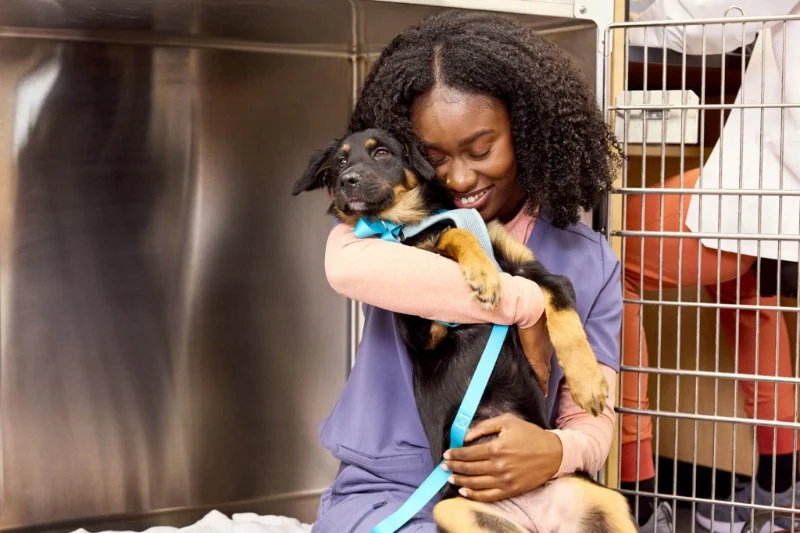
1. Vaccinations: The First Step to Protecting Your Puppy
One of the first steps every puppy owner in the UK should take is ensuring their puppy receives the appropriate vaccinations. Vaccinations protect your puppy from serious and potentially life-threatening diseases like parvovirus, distemper, and hepatitis. Your veterinarian will guide you through the vaccination schedule, typically starting at around 8 weeks of age and continuing throughout the puppy's early months.
It's important to stick to the vaccination schedule to keep your puppy protected. Without these preventive measures, your puppy may be at risk of serious illness, especially when socializing with other dogs.

Ridgewood Orthopaedic Services Limited
NethertonWest YorkshireEngland
80 Upper Ln, Netherton, Wakefield WF4 4NF, UK
2. Proper Nutrition for a Healthy Start
Nutrition plays a vital role in your puppy's overall health. A balanced diet ensures that your puppy receives the necessary nutrients to support healthy growth, development, and immune function. In the UK, there are many high-quality puppy food brands available, tailored to various breeds and sizes.
Consult your vet to choose the right food for your puppy, taking into account their breed, size, and any potential allergies. Avoid overfeeding or feeding inappropriate foods like chocolate or grapes, which can be toxic to dogs.

3. Regular Grooming: Keeping Your Puppy Clean and Comfortable
Regular grooming is an essential part of your puppy's preventive care. Bathing, brushing, and nail trimming not only keep your puppy looking their best but also contribute to their overall health. Grooming helps to prevent matting, reduce shedding, and detect any skin issues early on.
Different breeds have different grooming needs, so it's essential to learn how to groom your puppy properly. Regular ear cleaning and dental care should also be incorporated into your puppy's grooming routine to prevent infections.
4. Parasite Control: Keeping Fleas, Ticks, and Worms at Bay
Parasite control is another crucial aspect of puppy care in the UK. Puppies are susceptible to various parasites, including fleas, ticks, and worms, which can cause severe health issues if left untreated. Regular use of parasite prevention products like flea treatments and deworming medication is essential to protect your puppy.
Your veterinarian can recommend the best parasite control products based on your puppy's age, size, and lifestyle. It's important to stay consistent with these treatments to keep your puppy free from harmful parasites.
5. Exercise: Ensuring Your Puppy Gets the Right Amount of Activity
Exercise is crucial for your puppy’s physical and mental health. Regular playtime and walks help your puppy develop strong muscles and joints, while also burning off energy to prevent undesirable behaviors like chewing and excessive barking.
The amount of exercise your puppy needs depends on their age, breed, and size. While high-energy breeds may require more strenuous activities, smaller or older puppies may need gentler forms of exercise.
6. Early Training: Building a Well-Behaved Puppy
Early training is vital in shaping your puppy into a well-behaved and well-adjusted adult dog. Basic obedience training, such as sit, stay, and come, should be introduced as soon as possible. Positive reinforcement techniques, like treats and praise, can make the training process enjoyable for your puppy.
Socializing your puppy is also an important part of their training. Exposing them to different environments, people, and other dogs helps them become confident and adaptable.
7. Dental Care: Protecting Your Puppy's Teeth from an Early Age
Dental care is often overlooked, but it's essential for your puppy's long-term health. Dental disease can lead to pain, tooth loss, and even affect internal organs. Start brushing your puppy’s teeth with a dog-friendly toothbrush and toothpaste to establish a good dental hygiene routine.
Providing dental chews and toys can also help maintain your puppy’s oral health by reducing plaque buildup and promoting healthy teeth and gums.
8. Regular Vet Check-ups: Monitoring Your Puppy's Health
Regular veterinary check-ups are essential for monitoring your puppy’s health and ensuring they’re developing as they should. Your vet will check your puppy’s weight, growth, and overall well-being, as well as administer necessary vaccinations and preventative treatments.
During these visits, your vet will also check for any early signs of health issues and provide advice on care and nutrition.
9. Socialization: Helping Your Puppy Become Confident
Socializing your puppy early on helps them become comfortable around other dogs, people, and new environments. A well-socialized puppy is less likely to develop behavioral issues like aggression or fearfulness.
Introduce your puppy to new experiences gradually, and always reward positive interactions with praise and treats to encourage good behavior.
10. Spaying and Neutering: A Key Preventive Measure
Spaying or neutering your puppy is an important part of responsible pet ownership. These procedures help prevent unwanted pregnancies and can also reduce the risk of certain health issues, such as mammary gland tumors and prostate problems.
Talk to your veterinarian about the best time to spay or neuter your puppy, as the timing may vary depending on their breed and size.
By following these top 10 preventive care tips, you can ensure that your puppy grows up healthy, happy, and well-adjusted. If you're looking for more resources or products to help with your puppy’s care, visit RegPets for expert advice and top-quality products.





 The PharmPet Co4.0 (20 reviews)
 White Cross Vets4.0 (406 reviews)
 Petsafe5.0 (4 reviews)
 myPET | Pet & Aquatic Supplies4.0 (1014 reviews)
 The Horse Vet5.0 (15 reviews)
 Kozeepet4.0 (25 reviews)
 UK Pet Owner’s Guide to Common Illnesses for Guinea Pigs
 Top 10 Puppy and Kitten Care Every Kitten Owner in the UK Should Know
 The Importance of Travel Safety for Kittens – UK Edition
 Top 10 Preventive Care Every Puppies Owner in the UK Should Know
 UK Pet Owner’s Guide to Mental Health for Birds: Understanding and Supporting Your Pet’s Well-Being
 Tips for Keeping Your Pet Hydrated and Healthy in the UK