
- why-annual-checkups-matter
- early-preparation-starts-at-home
- getting-your-pet-used-to-the-vet
- what-to-bring-on-the-day
- how-to-handle-vet-anxiety
- post-checkup-care-and-follow-up
1. Why Annual Checkups Matter
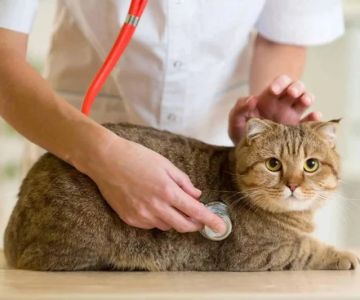
Regular vet visits aren’t just for when your pet is sick—they’re essential to long-term health and prevention. An annual checkup helps catch diseases early, keep vaccinations up to date, and monitor chronic conditions. Whether you're a cat owner in London or a dog parent in Manchester, annual exams are a key part of responsible pet ownership in the UK.
Veterinarians often detect hidden issues during routine checks—dental disease, arthritis, or early signs of diabetes. In one case from Bristol, a Labrador named Max was found to have early-stage heart disease during a routine visit, allowing his owner to start treatment early and extend his quality of life.
If you’re unsure which products or supplements could support your pet’s ongoing care, explore curated recommendations on RegPets, where you’ll find everything from tailored pet nutrition to anxiety-reducing solutions.

2. Early Preparation Starts at Home
The journey to a stress-free annual checkup begins well before stepping into the vet’s office. Start preparing your pet at least a week in advance.

Furbies Raw Store Ballymena
Mid and East AntrimNorthern Ireland
12a Crankill Rd, Ballymena BT43 5NL, UK
2.1 Monitor and Record Health Changes
Make note of any behavioural changes, eating habits, weight fluctuations, or skin issues. Vets appreciate detailed observations, and this info could lead to an earlier diagnosis of underlying conditions.
2.2 Check Vaccination and Medical History
Ensure you know when your pet last received vaccinations or treatments like flea and worm prevention. Having this information handy helps avoid duplication and keeps records up to date.
2.3 Introduce the Carrier or Lead Again
Cats especially may associate the carrier with stress. Leave it open in a familiar area, add soft bedding, and occasionally feed them inside to form a positive connection. For dogs, revisit lead training in case they’re not used to travelling.
3. Getting Your Pet Used to the Vet
3.1 Desensitise to Touch
Gently touch your pet’s paws, ears, and mouth during cuddle time. It mimics what the vet will do, helping your pet feel less surprised during the actual exam.
3.2 Practice Car Rides
If your pet isn't a regular traveller, do short car rides to familiar places to help reduce travel stress. Gradual exposure builds confidence and reduces anxiety.
3.3 Use Treat-Based Training
Reinforce calm behaviour with treats and praise. For example, a pet owner in Edinburgh shared how her rescue cat, Lulu, became calmer during vet visits after being rewarded with her favourite chicken bites during mock exams at home.
4. What to Bring on the Day
4.1 Health Records and Insurance Details
Bring your pet's health records, vaccination cards, and any previous test results. Also, carry your pet insurance policy or digital access to it in case treatment is recommended.
4.2 Comfort Items
A familiar blanket, toy, or even a t-shirt with your scent can help reduce anxiety. Dogs may benefit from chew toys, while cats might relax with a blanket from home.
4.3 Treats and Fresh Water
Small treats can reward good behaviour, and having water on hand ensures hydration—especially after car travel.
5. How to Handle Vet Anxiety
5.1 Talk to Your Vet in Advance
If your pet has a history of extreme anxiety or aggression, speak to the clinic beforehand. Some offer quieter hours or allow you to wait in the car until the appointment.
5.2 Natural Calming Aids
Consider pheromone sprays or calming treats. Some UK pet parents swear by calming collars or herbal supplements—products you can easily find on RegPets tailored to your pet’s breed and temperament.
5.3 Avoid Stressful Triggers
Try not to schedule visits during school runs or rush hour traffic. Keep your pet away from overly noisy environments or crowded waiting rooms if possible.
6. Post-Checkup Care and Follow-Up
6.1 Digest the Vet’s Advice
After the visit, take time to go through the vet’s instructions. If medication is prescribed, follow the dosage exactly. Don’t hesitate to call the clinic for clarification.
6.2 Watch for Reactions
Some pets may feel tired or sore after vaccines. This is normal, but if symptoms persist, reach out to the clinic. In some cases, pets might need a follow-up appointment or a change in medication.
6.3 Review and Improve Routine
Use the insights gained to improve your pet’s daily care—better dental hygiene, switching to a vet-recommended diet, or introducing new supplements. Find all these solutions and more through RegPets, where UK-specific recommendations ensure your pet gets exactly what they need.

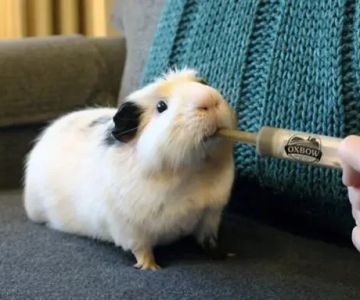
 Elland Pet Supplies4.0 (22 reviews)
 Origin vets clinic4.0 (106 reviews)
 Paws and Claws Pet Supplies4.0 (4 reviews)
 Furbies Raw Store Ballymena5.0 (3 reviews)
 Oakhill Veterinary Centre4.0 (199 reviews)
 Byre Veterinary Referrals5.0 (7 reviews)
 Top 10 Seasonal Health Tips Every Senior Pet Owner in the UK Should Know
 The Importance of Exercise and Fitness for Kittens – UK Edition
 Travel Safety Tips for Senior Pets: What UK Pet Owners Need to Know
 Dealing with Anxiety and Stress in Pets: Vet Advice
 How to Spot Signs of Arthritis in Older Pets | Early Detection and Management
 Complete Guide to Nutrition Tips for Hamsters: What Your Pet Needs to Stay Healthy