
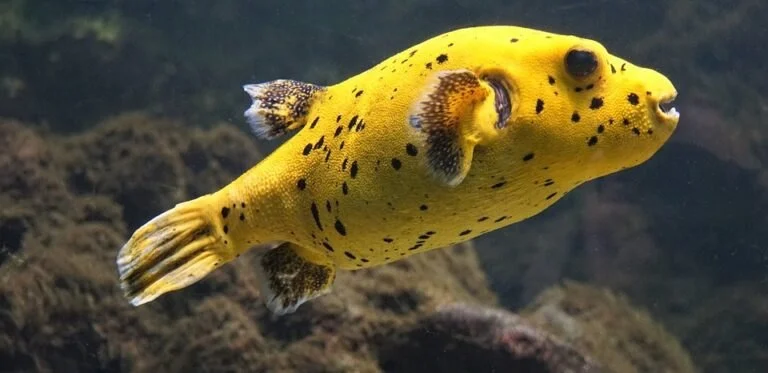
1. Introduction: Why Fish Exercise and Fitness Matter
Just like any other pet, fish require attention to their overall health and fitness to thrive. Many aquarium owners focus on feeding and tank maintenance but overlook the importance of keeping their fish active. Regular exercise helps fish maintain good health, improves their mental stimulation, and prevents common diseases caused by inactivity. In this article, we will explore ways to enhance your fish's fitness and exercise routine right at home.

2. Types of Fish That Benefit from Exercise
Before diving into how to improve fish exercise and fitness, it’s important to understand that not all fish are the same. Different species have different needs and energy levels. Some fish, like goldfish and bettas, thrive with more active routines, while others, like many tropical species, prefer slower movements and less stress. Here’s a look at how various types of fish can benefit from exercise:
- Goldfish: These active swimmers love to move around their tanks. Providing them with space and objects to navigate can promote healthy exercise.
- Bettas: Betta fish are curious and active, often darting around in their environment. Creating areas in the tank where they can swim freely will keep them stimulated.
- Community Fish: Fish like tetras, guppies, and mollies often thrive in schools. Encouraging group swimming behavior can lead to a more active lifestyle.
3. Creating an Active Aquarium Environment
One of the best ways to ensure that your fish get enough exercise is to create an environment in the aquarium that encourages movement. Here are some methods to promote exercise:
- Space: Ensure that your fish have enough space to swim freely. A larger tank allows for more exercise and a less stressful environment for your fish.
- Decor and Structures: Add rocks, plants, and other aquarium decorations that fish can swim around, through, and over. This provides both physical and mental stimulation.
- Tank Mates: Keeping compatible fish together can encourage them to swim in schools, improving their fitness. Be sure to choose fish that enjoy active group dynamics.
4. Using Interactive Fish Toys
Just like cats and dogs, fish can enjoy toys that help stimulate their senses and promote movement. You can purchase special interactive toys that encourage fish to swim or interact with them. Some examples include:
- Floating Toys: These toys float in the water and move around, encouraging fish to chase after them. Bettas and goldfish are particularly responsive to such items.
- Mirror Exercise: Fish like bettas are naturally curious and will often swim toward reflections in a mirror. Placing a small mirror outside the tank can encourage movement.
- Worm and Bug Simulation: Some fish are more active when they see moving prey. Simulating this behavior by using moving objects or live food can spark their predatory instincts.
5. Feeding for Fitness
How you feed your fish can also contribute to their fitness routine. Overfeeding can lead to obesity, while underfeeding can cause lethargy. Here’s how to balance your fish’s diet for better exercise and fitness:
- Smaller, Frequent Feedings: Rather than feeding large portions once a day, break their meals into smaller portions and feed them more frequently to keep them moving and searching for food.
- Live Foods: Feed fish live or moving food such as brine shrimp or worms to encourage them to swim after their prey. This increases their physical activity.
- Varied Diet: A balanced diet including a variety of food types (flakes, pellets, and fresh vegetables) supports overall health, providing energy for swimming and exercise.
6. Avoiding Stress to Promote Fitness
While keeping your fish active is important, it's equally crucial to ensure they are not stressed. Stress can negatively impact your fish’s health, including their ability to swim and be active. Some stress factors include:
- Poor Water Quality: Make sure the water in the tank is clean and at the correct temperature. High levels of ammonia, nitrate, or nitrite can cause stress and reduce your fish’s ability to move actively.
- Noisy Environments: Fish are sensitive to vibrations and loud noises. Keeping the tank in a quiet environment promotes their comfort and well-being.
- Overcrowding: Avoid overcrowding the tank, as this can limit the space your fish need for exercise.
7. Monitoring Your Fish's Fitness
It’s important to monitor your fish regularly to ensure they are staying active and healthy. Watch for signs of lethargy, poor swimming ability, or unusual behavior, as these may indicate health issues. Regularly check their environment and health, and make adjustments to their exercise routine as needed.
With the right approach, you can easily improve your fish’s exercise and fitness at home, ensuring they live a long, healthy life. If you need the best products and accessories for your fish, visit RegPets for expert advice and the best options for your pet fish’s care.





 Kemps Pet Supplies5.0 (1 reviews)
 Riverbank Veterinary Centre4.0 (21 reviews)
 Orchard House Veterinary Services Ltd4.0 (49 reviews)
 Wensleydale Vets5.0 (46 reviews)
 Rosies Boutique LTD5.0 (6 reviews)
 River Veterinary Care5.0 (76 reviews)
 How to Improve Kittens' Preventive Care at Home
 Emergency Vet Advice for Dogs in the UK – Essential for Pet Health
 Expert Vet Advice on Seasonal Health Tips for Guinea Pigs
 UK Pet Owner’s Guide to Adoption Guide for Guinea Pigs
 Complete Guide to First Aid Tips for Dogs
 Top 10 Preventive Care Every Puppies Owner in the UK Should Know