
- 1-Why Train Senior Pets?
- 2-Understanding the Challenges of Senior Pet Behaviour
- 3-Vet-Approved Training Techniques for Senior Pets
- 4-Additional Resources and Support for Senior Pet Owners
1-Why Train Senior Pets?
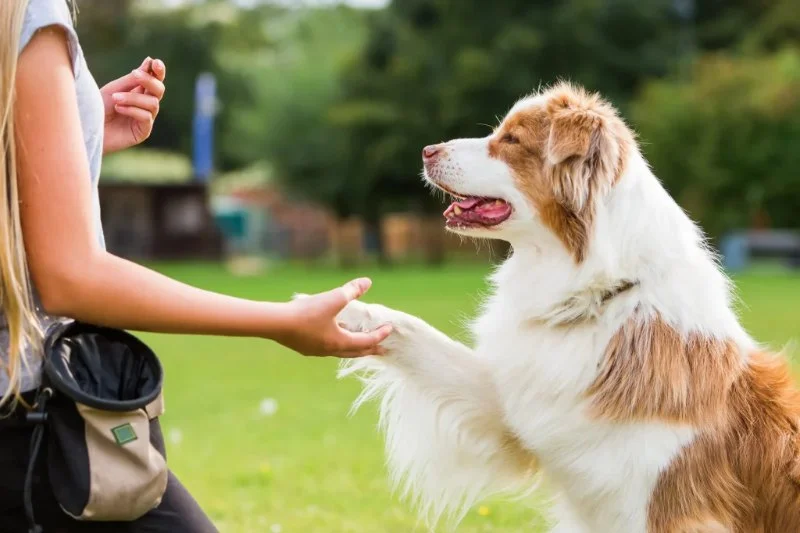
As your pet ages, you might think that training is a thing of the past. However, providing behaviour training for senior pets is crucial for their well-being. Many older pets face changes in their physical and mental health, which can lead to behavioural challenges. Just because your pet is no longer a puppy or kitten doesn't mean they can't benefit from training.
Training offers many benefits for senior pets, including:
- Improved Mental Stimulation: As pets age, mental sharpness can decline. Regular training exercises help keep their minds active and engaged.
- Enhanced Behaviour: Training can help manage issues like excessive barking, destructive behaviour, or difficulty with house training.
- Strengthened Bond: Training strengthens the bond between you and your pet, helping you both communicate better.
- Physical Health Benefits: Certain training techniques can also be a form of exercise, keeping your pet physically fit as they age.
Vet-approved behaviour training provides a great way to enhance the quality of life for senior pets while managing their behavioural issues.

2-Understanding the Challenges of Senior Pet Behaviour
Senior pets experience unique behavioural challenges, many of which are linked to aging. Understanding these challenges is the first step in addressing them effectively.
Some common issues seen in senior pets include:
- Health-Related Issues: Arthritis, hearing loss, or cognitive dysfunction can impact behaviour. For example, your pet may start to behave aggressively or seem anxious because of pain or confusion.
- Changes in Routine: Senior pets may struggle with changes in their daily routine or environment, which can cause stress or anxiety.
- Decreased Mobility: As pets age, they may experience difficulty moving, which can impact their ability to engage in regular training activities.
Being aware of these challenges will help you approach your senior pet’s behaviour with patience and understanding, ensuring that training is both effective and compassionate.

North West Equine Vets Ltd.
RathmellNorth YorkshireEngland
North West Equine Vets Ltd, Rathmell, Settle BD24 0LA, UK
3-Vet-Approved Training Techniques for Senior Pets
When training older pets, it's essential to use methods that are appropriate for their age and abilities. Here are some vet-approved training techniques that work well for senior pets:
- Positive Reinforcement: Focus on rewarding good behaviour rather than punishing undesirable actions. Use treats, praise, or toys to motivate your senior pet.
- Short and Frequent Sessions: Older pets may tire quickly, so it’s essential to keep training sessions short (10–15 minutes) and frequent. This helps keep them engaged without overwhelming them.
- Gentle Exercises: For pets with physical limitations, focus on low-impact exercises that don't strain their joints. Training can involve walking in a straight line, basic sit-stay commands, or targeting activities.
- Routine and Consistency: Older pets often thrive on routine, so try to keep training at the same time each day and use consistent commands.
- Patience and Adaptation: Be prepared to adapt your training techniques based on your pet's physical or mental limitations. The goal is to keep them comfortable while still encouraging improvement.
For example, if your senior dog struggles with basic commands like "sit" or "stay," try breaking the actions down into smaller steps, offering a reward at each successful stage.
4-Additional Resources and Support for Senior Pet Owners
If you’re unsure how to get started with behaviour training for your senior pet, there are plenty of resources available to help you:
- Veterinary Support: Always consult with your vet before beginning any new training routine. They can offer advice on what is suitable for your pet’s age, health, and physical condition.
- Professional Trainers: If you find it difficult to manage your pet's behaviour on your own, consider hiring a professional trainer who specialises in senior pets. Look for trainers who are familiar with veterinary-approved methods.
- Online Communities and Forums: Join online forums and communities for senior pet owners. Sharing experiences and advice with others can help you feel more confident in your approach.
- Pet Products: Products such as orthopaedic beds, ramps, and gentle toys can support your senior pet's comfort during training and throughout their daily routine. Check out resources like【RegPets】for recommended pet care items.
Training your senior pet might take time, but with the right approach and the proper support, it can significantly improve their quality of life, ensuring they remain active, engaged, and happy in their golden years.




 Gone Barking5.0 (7 reviews)
 Peejay Pet Superstore Ltd4.0 (1173 reviews)
 Sheerbliss Cattery5.0 (19 reviews)
 Calcaria Veterinary Practice4.0 (90 reviews)
 Crookedstone Cattery0.0 (0 reviews)
 Apisto Aquatics5.0 (25 reviews)
 Top 10 Behaviour Training Every Reptile Owner in the UK Should Know
 Common Vaccination Myths Debunked by UK Vets
 How to Handle Emergency Situations with Your Pet | Pet Safety Tips
 Complete Guide to Nutrition Tips for Hamsters: What Your Pet Needs to Stay Healthy
 Dealing with Anxiety and Stress in Pets: Vet Advice for UK Pet Owners
 Top 10 Behaviour Training Every Guinea Pig Owner in the UK Should Know