
Best Practices for Preventive Care in Dogs
- Why Preventive Care is Essential for Dogs
- Vaccinations and Regular Check-ups
- Proper Nutrition and Diet for Dogs
- Exercise and Mental Stimulation
- Grooming and Hygiene for Dogs
- Real-Life Success Stories of Preventive Care
1. Why Preventive Care is Essential for Dogs
Preventive care is the cornerstone of your dog’s health and longevity. It involves regular activities and practices that help keep your dog healthy, reduce the risk of disease, and ensure that your pet lives a long and active life. Just like humans, dogs need ongoing care to prevent health problems before they arise.
Many common health issues in dogs, such as dental disease, parasites, and obesity, can be prevented with proper care. Regular check-ups, vaccinations, and attention to diet and exercise are all part of a comprehensive preventive health plan for your dog. Early detection of potential problems can save you from expensive treatments and help maintain your dog’s well-being over the years.

2. Vaccinations and Regular Check-ups
Vaccinations and regular vet check-ups are the foundation of preventive care for dogs. By ensuring your dog receives the necessary vaccines, you are protecting them from serious, sometimes fatal diseases like rabies, parvovirus, and distemper. It’s important to consult with your veterinarian to create a vaccination schedule tailored to your dog's age, breed, and lifestyle.

Regular Vet Visits
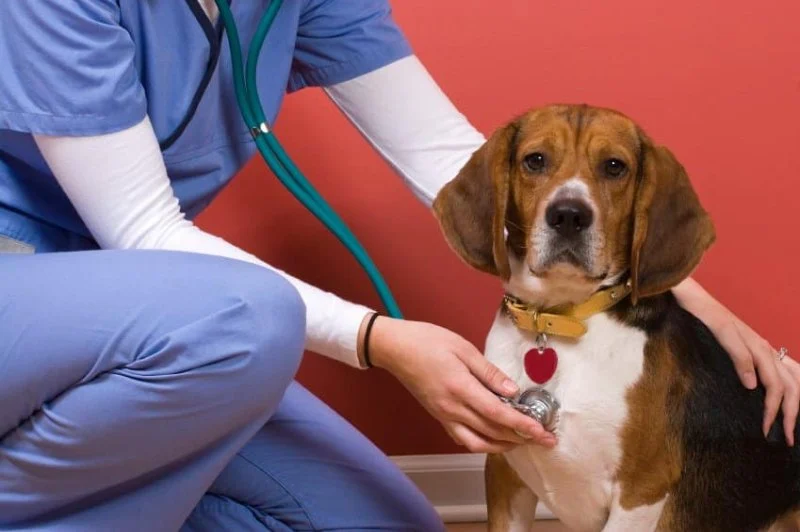
In addition to vaccinations, regular vet visits are essential. Annual check-ups allow your vet to monitor your dog’s overall health, check for signs of illness, and address any concerns before they become serious. During these visits, your vet will also perform important tests, such as blood work, to screen for hidden conditions.
Parasite Control
Parasites such as fleas, ticks, and worms can cause serious health problems for dogs. Preventive treatments like flea and tick preventatives, as well as regular deworming, are key to protecting your dog from these pests. Your veterinarian can recommend the best parasite control products for your dog’s specific needs.
3. Proper Nutrition and Diet for Dogs
A balanced diet is crucial to maintaining your dog’s health. Proper nutrition helps support their immune system, keeps their skin and coat healthy, and provides the energy they need for daily activities. Whether you’re feeding your dog commercial food or preparing homemade meals, it's important to ensure their diet is well-rounded and meets their nutritional requirements.
Choosing the Right Dog Food
When selecting dog food, consider your dog’s age, breed, size, and health conditions. Puppies, adult dogs, and senior dogs all have different dietary needs. For example, puppies require more protein and calories for growth, while senior dogs may benefit from food designed to support joint health and reduce weight gain.
Weight Management
Obesity is a common problem among dogs and can lead to a host of other health issues, including diabetes, heart disease, and joint problems. Ensure your dog maintains a healthy weight by monitoring their food intake, providing portion control, and avoiding excessive treats. Regular exercise is also vital for maintaining a healthy weight.
4. Exercise and Mental Stimulation
Physical exercise and mental stimulation are equally important for your dog’s health. Exercise helps keep your dog’s weight in check, strengthens their muscles and joints, and keeps them energized. Mental stimulation, on the other hand, prevents boredom and encourages cognitive health, which is especially important as your dog ages.
Exercise Needs for Different Breeds
Different breeds have different exercise needs. High-energy breeds like Border Collies and Labrador Retrievers require more vigorous exercise and mental stimulation than breeds like Bulldogs or Shih Tzus. Tailor your dog's activity level to their breed and personal needs, ensuring they get enough exercise without overexerting them.
Mental Enrichment
Mental stimulation can be achieved through activities such as puzzle toys, training sessions, and interactive games. Teaching your dog new tricks or allowing them to explore new environments also helps keep their mind sharp and engaged.
5. Grooming and Hygiene for Dogs
Grooming is a vital part of preventive care. Regular grooming helps maintain your dog’s skin and coat health, as well as reduces the risk of infections. Brushing your dog’s coat regularly removes dirt, prevents matting, and distributes natural oils that keep the fur shiny and healthy.
Bathing and Coat Care
How often you bathe your dog depends on their breed and lifestyle. Dogs with longer coats may need more frequent brushing and occasional baths, while short-haired breeds typically need less maintenance. Always use dog-friendly shampoos to prevent skin irritation.
Ear and Teeth Care
Cleaning your dog’s ears and teeth is also essential. Regular ear cleaning prevents infections, while brushing your dog’s teeth can help prevent dental disease, which is common in dogs. Dental chews and toys can also assist in maintaining oral hygiene.
6. Real-Life Success Stories of Preventive Care
Here are a few real-life examples of how preventive care has made a difference in the lives of dogs and their owners:
Case Study 1: Max the Border Collie
Max, a 5-year-old Border Collie, had a history of skin issues. After his owners introduced a new grooming routine and switched to a diet rich in Omega-3 fatty acids, his coat improved significantly, and his skin issues cleared up. Regular vet visits helped monitor his health and prevent more serious issues from arising.
Case Study 2: Bella the Golden Retriever
Bella’s owners started her on a weight management program when she began to gain excess weight. Along with a controlled diet and increased exercise, Bella lost weight and became more energetic, reducing her risk of arthritis and other joint problems.
Preventive care is an investment in your dog’s health and happiness. By following these best practices, you can help ensure your dog lives a long, healthy life. For more advice on dog care products and services, visit RegPets for the best recommendations and solutions tailored to your dog's needs.





 Medivet Hull the Avenues - Chants Vets4.0 (250 reviews)
 Vets4Pets - Worksop4.0 (461 reviews)
 Super Pets4.0 (399 reviews)
 Cardiff Veterinary Centre4.0 (183 reviews)
 Petwell1.0 (18 reviews)
 Cuerden Cattery5.0 (24 reviews)
 What Every UK Pet Owner Should Know About Parasite Control
 What to Expect During Your Pet’s First Vet Visit: A Guide for UK Pet Owners
 The Importance of Travel Safety for Kittens – UK Edition
 What to Expect During Your Pet’s First Vet Visit in the UK
 Allergy Care Explained: Keeping Your Hamsters Healthy in the UK
 Expert Vet Advice on First Aid Tips for Cats: Essential Care When Your Cat Needs Help