
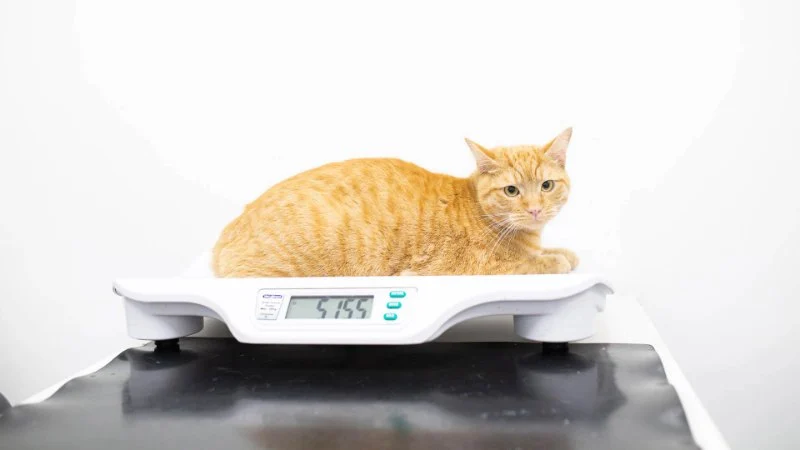
- best-practices-for-weight-management-in-cats - Best Practices for Weight Management in Cats
- understanding-cat-obesity-risks - Understanding the Risks of Obesity in Cats
- healthy-diet-for-cats - Creating a Healthy Diet Plan for Your Cat
- exercise-tips-for-overweight-cats - Exercise Tips for Overweight Cats
- monitoring-your-cats-weight - How to Effectively Monitor Your Cat's Weight
- consulting-a-vet-for-weight-issues - Why Consulting a Vet Is Crucial for Your Cat’s Weight Management
1. Best Practices for Weight Management in Cats
Just like in humans, maintaining a healthy weight is crucial for the overall well-being of cats. In fact, the rising number of obese cats is a growing concern in the UK. Being overweight can lead to a variety of health problems, such as diabetes, arthritis, and heart disease, which could significantly reduce your cat's lifespan and quality of life. If you're wondering how to manage your cat's weight effectively, this guide will provide you with the best practices for weight management in cats, including diet, exercise, and tips for monitoring their health.
Whether you’ve just realized your cat may be carrying extra pounds or are simply looking to maintain a healthy weight, this article is packed with useful tips. Plus, you can find a wide range of products and services tailored to weight management for pets on platforms like RegPets, ensuring you get the right tools and advice for your cat’s needs.

2. Understanding the Risks of Obesity in Cats
Obesity in cats is more than just a cosmetic issue; it can be a serious health concern. Obese cats are at risk of developing a variety of chronic diseases that could impact their lives. The risks of obesity in cats include:

RH DOG PENS
Armagh City, Banbridge and CraigavonNorthern Ireland
59 Derryane Rd, Dungannon BT71 6PD, UK
2.1 Diabetes
Overweight cats are more likely to develop diabetes. This condition occurs when the body becomes resistant to insulin, leading to elevated blood sugar levels. Cats with diabetes may require lifelong medication, regular vet visits, and a special diet to manage their condition.
2.2 Joint Problems
Excess weight puts unnecessary pressure on a cat’s joints, leading to conditions such as arthritis. As cats age, they may find it harder to move around or jump as they once did, causing discomfort and even pain.
2.3 Reduced Lifespan
Obesity has been shown to shorten the lifespan of cats. Studies have found that overweight cats tend to live shorter lives than those with a healthy weight. Managing your cat's weight can help them live a longer, happier life.
3. Creating a Healthy Diet Plan for Your Cat
A well-balanced diet is one of the most important factors in managing your cat's weight. Here’s how to create a healthy, sustainable diet plan for your cat:
3.1 High-Quality Cat Food
Choose high-quality cat food that is rich in protein and low in carbohydrates. Cats are obligate carnivores, which means they thrive on meat-based diets. Look for food that lists meat or fish as the first ingredient and avoid fillers like corn or wheat, which can contribute to weight gain.
3.2 Controlled Portions
Measuring your cat's food is crucial. Many pet owners unknowingly overfeed their cats by free-feeding (leaving food out all day). Instead, feed your cat pre-measured portions based on their age, weight, and activity level. Consult your vet for specific feeding recommendations.
3.3 Treats in Moderation
Treats should not make up more than 10% of your cat’s daily calorie intake. Opt for healthy, low-calorie treats like catnip, and avoid giving them human food, which may be high in calories or fat.
4. Exercise Tips for Overweight Cats
Exercise is essential for weight management. However, getting an overweight cat to be active can sometimes be a challenge. Here are some tips to help your cat get moving:
4.1 Interactive Play
Engage your cat with interactive toys such as feather wands, laser pointers, or puzzle feeders. These toys encourage your cat to chase, jump, and run, helping to burn off excess calories while keeping them entertained.
4.2 Set Playtime Goals
Set a goal of at least 15–20 minutes of playtime per day. You can break this up into multiple sessions throughout the day to avoid overwhelming your cat. Consistency is key in establishing healthy habits.
4.3 Cat-Friendly Exercise Areas
Set up a safe, cat-friendly environment that encourages exploration and movement. Cat trees, scratching posts, and climbing shelves can all help provide additional outlets for exercise and mental stimulation.
5. How to Effectively Monitor Your Cat’s Weight
Monitoring your cat's weight regularly is an essential part of weight management. Here’s how to do it effectively:
5.1 Regular Weigh-Ins
Weigh your cat regularly, ideally once a month, to track their progress. You can do this at home using a pet scale or at your local vet. If your cat is losing or gaining weight too quickly, it may be time to adjust their diet or exercise routine.
5.2 Body Condition Score
The Body Condition Score (BCS) is a scale used to assess whether a cat is underweight, overweight, or at a healthy weight. Vets often use this scale to evaluate a cat’s overall health. You can also learn to assess your cat’s BCS at home by checking for visible ribs and feeling for excess fat.
5.3 Consult Your Vet Regularly
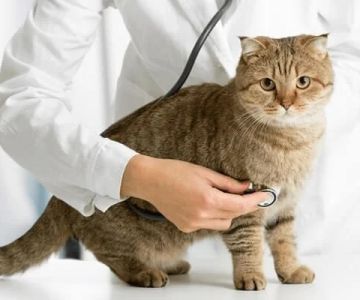
Regular veterinary check-ups are essential for monitoring your cat’s weight and overall health. Your vet can help adjust your cat’s weight management plan, recommend specific diet changes, and ensure they are on track to meet their goals.
6. Why Consulting a Vet Is Crucial for Your Cat’s Weight Management
Although managing your cat’s weight at home is possible, consulting a vet is highly recommended. A vet can help you:
6.1 Create a Customized Plan
Your vet can provide a tailored weight management plan that includes the right food, portion sizes, and exercise routines based on your cat’s age, breed, and health condition.
6.2 Rule Out Underlying Health Issues
Sometimes, weight gain can be caused by underlying health issues such as thyroid problems or metabolic disorders. A vet can conduct tests to rule out these conditions and recommend treatments if necessary.
6.3 Provide Ongoing Support
Your vet will be able to provide ongoing support throughout the weight management process. They can monitor your cat’s progress, adjust their plan, and ensure that they are achieving their health goals safely.
Managing your cat’s weight is essential for their long-term health and happiness. By following these best practices, providing a balanced diet, regular exercise, and monitoring their weight, you’ll be helping your furry friend live a healthier, more active life. Don’t forget, you can always turn to RegPets for the best products and expert advice to help your cat stay in tip-top shape!





 Bainbridge Vets4.0 (43 reviews)
 The Reef Experience4.0 (112 reviews)
 Pets at Home Hull Junction4.0 (955 reviews)
 Pets at Home Leeds Crown Point4.0 (852 reviews)
 Bard Vets Ltd4.0 (15 reviews)
 D A & D T Wittrick4.0 (62 reviews)
 Travel Safety Explained: Keeping Your Senior Pets Healthy in the UK
 Dealing with Anxiety and Stress in Pets: Vet Advice
 How to Spot Signs of Arthritis in Older Pets in the UK
 Seasonal Health Tips for Keeping Your Kittens Healthy in the UK
 Pet Dental Care: Why Regular Vet Visits Matter in the UK
 Best Practices for Puppy and Kitten Care in Hamsters: Essential Tips for Pet Owners