
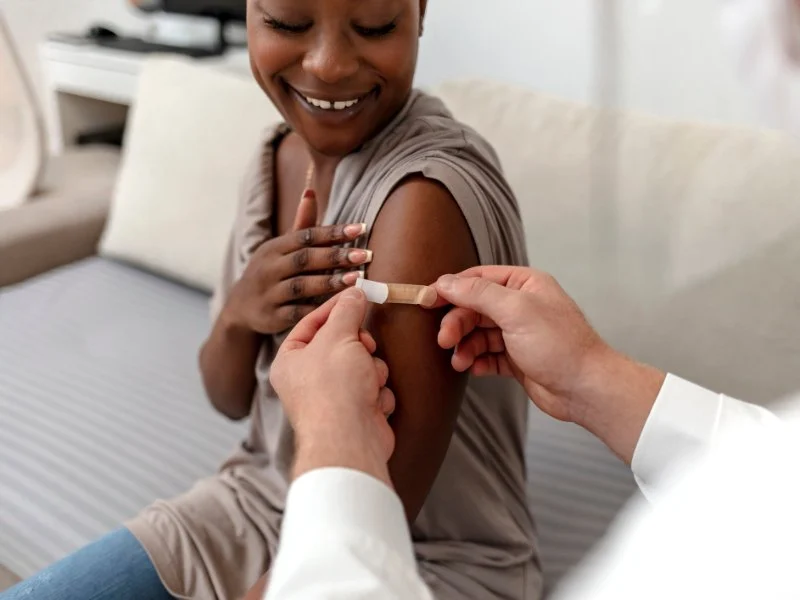
- vaccines-cause-illness-or-behavioural-changes
- indoor-pets-dont-need-vaccines
- natural-immunity-is-better-than-vaccination
- once-vaccinated-always-protected
- uk-vets-share-experiences-and-expert-advice
1. Vaccines Cause Illness or Behavioural Changes
One of the most common vaccination myths in the UK pet community is that vaccines make animals sick or cause lasting behavioural issues. According to Dr. Hannah Stevens, a Manchester-based vet with over 15 years of experience, “Most pets tolerate vaccines extremely well. Serious side effects are exceedingly rare—typically less than 0.01%.”

1.1 Understanding Normal Reactions
Some pets may be a bit sleepy or experience mild swelling at the injection site, but these are signs that their immune system is working. This is not illness—it’s protection in progress. These temporary effects are far outweighed by the diseases vaccines prevent, such as parvovirus or leptospirosis.

Jollyes - The Pet People Ballymena
Mid and East AntrimNorthern Ireland
Larne Road Retail Park, Larne Rd, Ballymena BT42 3HA, UK
1.2 Real-World Example
Mark from Bristol shared that after vaccinating his cockapoo Bailey, the dog was “a bit groggy for the afternoon, but back to zooming around the next day.” With guidance from his vet, Mark realised this was normal and nothing to worry about.
2. Indoor Pets Don’t Need Vaccines
This myth has become increasingly popular among urban pet owners, especially cat lovers. However, UK vets warn that this logic is flawed. Even indoor pets are at risk from pathogens that may be carried in on clothing, shoes, or other animals.
2.1 Risk Factors for Indoor Pets
Diseases like feline calicivirus and feline herpesvirus can spread through airborne particles or contact with contaminated objects. Fleas and ticks also carry diseases, and they can easily hitch a ride into your home—especially in warmer months or communal housing areas.
2.2 Vet-Endorsed Practices
Most UK vets, including those in London borough clinics, recommend keeping up-to-date vaccinations even for indoor pets. It’s about ensuring long-term safety, not just reacting to risk after the fact.
3. Natural Immunity Is Better Than Vaccination
There’s a growing belief, fuelled by online misinformation, that letting a pet “catch and beat” a disease naturally builds better immunity than vaccines. This idea is not only inaccurate—it’s dangerous.
3.1 The Reality of Disease Exposure
Letting your dog or cat contract something like parvovirus or panleukopenia means risking serious illness, high vet bills, and potential death. Vaccines give your pet’s immune system a practice run—minus the suffering.
3.2 Expert Insight
Dr. Lewis from a veterinary group in Leeds noted, “Vaccination is not just about the individual pet. It’s also about community protection. The fewer unvaccinated pets, the lower the chance of an outbreak.”
4. Once Vaccinated, Always Protected
Another myth still believed by many UK pet owners is that one round of vaccinations during puppy or kittenhood lasts a lifetime. Unfortunately, that’s not how immunity works.
4.1 Booster Shots Matter
Like humans, animals need booster shots to maintain strong immunity. Core vaccines generally require renewal every one to three years depending on the vaccine type and your vet’s schedule. Skipping boosters leaves your pet vulnerable.
4.2 Keeping Track Made Easier
Today, UK clinics and pet wellness platforms such as RegPets offer online reminders and digital health record tools that help you stay on schedule with boosters and annual checks.
5. UK Vets Share Experiences and Expert Advice
Vets across the UK are seeing more hesitant pet owners walk into their clinics armed with social media myths. But they also see how conversations and education can shift perspective.
5.1 Communication Makes the Difference
Veterinary nurse Amelia Clarke in Birmingham shared how she helped a new dog owner understand why vaccinating her rescued spaniel was vital. “Once she knew the risks of canine distemper and how fast it can spread in parks, she said, ‘Why didn’t anyone explain it like that before?’”
5.2 Finding the Right Resources
For pet owners still unsure, UK-trusted resources like RegPets provide articles, vet Q&As, and even access to approved pet health services. When it comes to vaccines, it’s not just about today—it’s about lifelong health and prevention.


 Bradgate View Luxury Cat Hotel4.0 (38 reviews)
 Lucavet Veterinary Practice4.0 (101 reviews)
 Vets for Pets - Bishop Auckland4.0 (388 reviews)
 Aquatib4.0 (13 reviews)
 Newlands Cattery5.0 (14 reviews)
 Tweed House Vets4.0 (283 reviews)
 Dealing with Anxiety and Stress in Pets: Vet Advice on Managing Pet Stress
 Essential Tips for Caring for Senior Pets: Expert Advice for British Pet Owners
 Pet Dental Care: Why Regular Vet Visits Matter for Your Pet’s Oral Health
 Best Practices for Allergy Care in Senior Pets
 Top 10 Behaviour Training Every Guinea Pig Owner in the UK Should Know
 Common Health Issues in UK Pets and How to Prevent Them