
- 1-Importance-of-Regular-Checkups
- 2-Preparing-Your-Home-for-Checkups
- 3-Observing-Behavioural-and-Physical-Signs
- 4-Using-Tools-and-Technology
- 5-Diet-and-Environment-Monitoring
- 6-Handling-and-Interacting-Safely
- 7-Recording-Health-Data
- 8-Case-Studies-and-Experiences
- 9-Discovering-RegPets-Resources
1. Importance of Regular Checkups
Ensuring your pet bird’s health requires consistent monitoring. Regular health checkups, even at home, can prevent illnesses and detect problems early. Birds often mask symptoms of disease, making proactive observation critical. By integrating at-home checkups, pet owners can maintain their bird's vitality, strengthen bonds, and potentially reduce emergency veterinary visits.
1.1 Early Detection of Health Issues
Subtle changes in weight, feather condition, or appetite can indicate underlying problems. Regular at-home assessments help detect these early warning signs, allowing timely intervention and improved treatment outcomes.
1.2 Benefits of Home Checkups
At-home checkups reduce stress for birds, as trips to veterinary clinics can be anxiety-inducing. Home assessments also allow owners to become familiar with their bird's normal behaviour and physical state, providing a baseline for comparison if health issues arise.
2. Preparing Your Home for Checkups
Creating a controlled environment enhances the effectiveness of at-home health monitoring.
2.1 Calm and Safe Space
Select a quiet area with minimal distractions. Ensure the bird’s cage is clean, and avoid introducing sudden noises or new pets during checkups. A calm setting allows for accurate observations of behaviour and responsiveness.
2.2 Hygiene and Safety Supplies
Keep disinfectants, gloves, and soft towels nearby. Using proper hygiene prevents contamination and reduces risk of infection. Soft towels help restrain the bird gently if needed, minimizing stress during handling.
3. Observing Behavioural and Physical Signs
Observation is key to evaluating a bird’s health at home. Owners should monitor:
3.1 Behavioural Indicators
Changes in vocalisation, energy levels, and social interaction can reveal illness. A normally active parrot that suddenly becomes lethargic may need attention. Likewise, shifts in sleeping patterns or aggressiveness can indicate stress or disease.
3.2 Physical Indicators
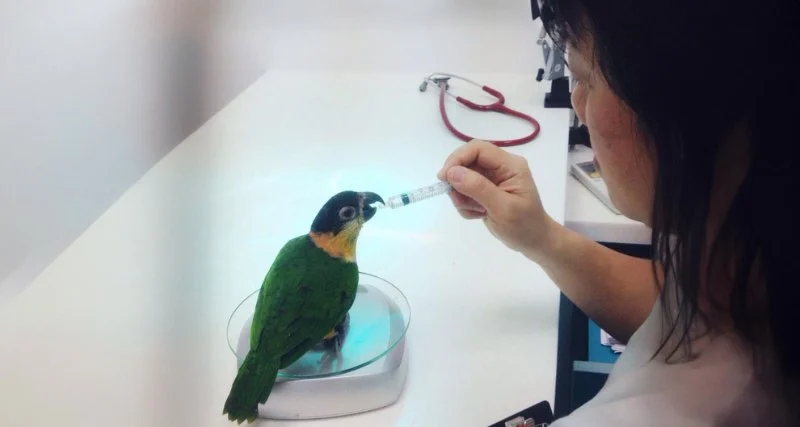
Check feathers for smoothness, shine, and absence of mites. Examine eyes and beak for discharge or irregularities. Inspect feet and nails for overgrowth or infection. Weight fluctuations should be tracked regularly using a reliable scale, as sudden weight loss is a critical warning sign.
4. Using Tools and Technology
Modern tools can enhance at-home checkups and make tracking health easier.
4.1 Digital Scales and Thermometers
Accurate weight measurements can detect subtle changes, while infrared thermometers allow safe temperature checks without handling stress. Keeping a record over time helps identify trends.
4.2 Cameras and Observation Devices
Installing a small camera or using motion-sensitive devices allows owners to monitor nocturnal behaviour and detect abnormalities in activity patterns. This insight is particularly helpful for birds that are shy or stressed by direct handling.
5. Diet and Environment Monitoring
Health is closely linked to diet and environmental conditions. Owners should monitor:
5.1 Food and Water Intake
Ensure consistent access to fresh water and nutritionally balanced food. Changes in consumption patterns can indicate illness. Using automated feeders or measuring portions daily can provide accurate intake data.
5.2 Environmental Factors
Maintain appropriate humidity, temperature, and lighting. Environmental stressors like drafts or poor air quality can contribute to respiratory issues. Regularly cleaning cages and perches reduces bacterial and fungal growth.
6. Handling and Interacting Safely
Gentle and safe handling is essential for accurate assessments without causing stress or injury.
6.1 Restraint Techniques
Use towels or soft gloves to restrain your bird when necessary. Avoid excessive force and monitor the bird's breathing and behaviour during handling. Gradual acclimation to handling builds trust and reduces fear.
6.2 Behavioural Bonding
Interacting through play and training also serves as an informal health check. Birds often display subtle discomfort or pain through changes in behaviour during these activities.
7. Recording Health Data
Systematic recording helps track changes and informs veterinary visits.
7.1 Journaling and Logs
Keep a daily log of food intake, weight, droppings, and behaviour. Over time, patterns emerge that allow owners to detect deviations promptly.
7.2 Digital Apps
Pet health tracking apps can store photographs, notes, and measurement data. Cloud storage enables easy sharing with veterinarians if professional consultation is needed.
8. Case Studies and Experiences
Many bird owners have reported improved outcomes by implementing at-home checkups.
8.1 Early Intervention Example
One owner noticed subtle changes in a cockatiel’s droppings and activity. Early detection and prompt diet adjustment prevented a potential gastrointestinal issue. This demonstrates how attentive observation can reduce health risks.
8.2 Stress Reduction Story
Another parrot owner avoided multiple stressful clinic visits by using at-home monitoring tools, resulting in a calmer bird with a stronger bond to its caregiver.
9. Discovering RegPets Resources
RegPets provides guidance, products, and expert tips for at-home bird health management. From nutritional advice to monitoring equipment, RegPets helps bird owners create a proactive care routine. Accessing their resources ensures comprehensive support, empowering owners to maintain their bird’s wellness with confidence.
By integrating observation, safe handling, environmental control, and systematic data recording, at-home checkups become a powerful tool to maintain bird health. With RegPets’ guidance, bird owners in the UK can ensure their feathered companions thrive year-round.

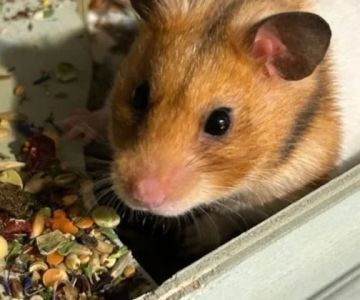

 Avenue Veterinary Centre4.0 (31 reviews)
 Vets for Pets - Sheffield Wadsley Bridge4.0 (507 reviews)
 West Mount Vets - Huddersfield4.0 (224 reviews)
 Vets4Pets - Mansfield4.0 (875 reviews)
 Millcroft Vets Egremont4.0 (210 reviews)
 Dovecote Lodge Cattery4.0 (20 reviews)
 How to Improve Exotic Pets First Aid Tips at Home
 How to Improve Fish Vaccination Guide at Home
 Essential Tips for Caring for Senior Pets: Expert Advice for British Pet Owners
 UK Pet Owner’s Guide to Preventive Care for Guinea Pigs
 Vet-Approved Preventive Care for Exotic Pets: Essential Tips for Pet Owners
 The Importance of Preventive Care for Fish – UK Edition