
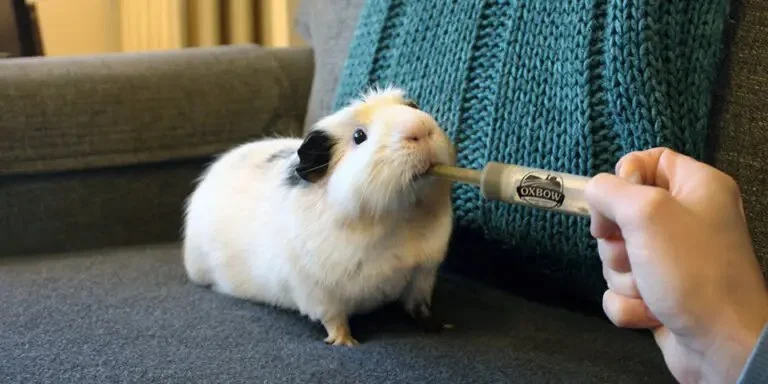
- Common Illnesses in Guinea Pigs
- Signs Your Guinea Pig May Be Unwell
- How to Prevent Illnesses in Guinea Pigs
- Treatment Options for Guinea Pig Illnesses
- When to Seek Professional Help for Your Guinea Pig
Common Illnesses in Guinea Pigs
Guinea pigs are relatively hardy pets, but like all animals, they are susceptible to certain illnesses. As a pet owner in the UK, it's important to know the common health issues that guinea pigs face so that you can ensure their well-being. Some of the most common illnesses in guinea pigs include:

1. Respiratory Infections
Guinea pigs are prone to respiratory infections, which can be caused by bacteria, viruses, or fungi. These infections typically result from poor ventilation or exposure to cold or damp environments. If left untreated, respiratory infections can be fatal, making it crucial to identify symptoms early.

2. Dental Issues
Guinea pigs have continuously growing teeth, and if they don’t wear down naturally from chewing, it can lead to dental problems. Issues like overgrown teeth can cause pain, difficulty eating, and even abscesses. Regular check-ups can prevent these issues.
3. GI Stasis
Gastrointestinal (GI) stasis occurs when the guinea pig’s digestive system slows down or stops entirely. This can be caused by stress, poor diet, or dehydration, and it is a potentially life-threatening condition that requires prompt medical attention.
Signs Your Guinea Pig May Be Unwell
As a guinea pig owner, you must be vigilant and look out for any signs that may indicate your pet is unwell. Early detection can lead to more effective treatments. Some common symptoms of illness in guinea pigs include:
1. Loss of Appetite
If your guinea pig stops eating or drinking, this is a serious sign that something is wrong. Loss of appetite can indicate digestive issues, dental problems, or a general decline in health.
2. Lethargy
A guinea pig that is usually active but suddenly becomes sluggish or lethargic may be suffering from an illness. If your guinea pig is not moving around or interacting with you, it could be a sign of pain or discomfort.
3. Unusual Breathing Sounds
If your guinea pig is making wheezing, sneezing, or coughing sounds, it may be suffering from a respiratory infection. These sounds are a sign of distress and should be addressed immediately.
How to Prevent Illnesses in Guinea Pigs
Prevention is key to ensuring your guinea pig remains healthy. By providing the right environment and care, you can reduce the risk of common illnesses. Here are a few tips to help you keep your guinea pig healthy:
1. Provide a Clean and Safe Environment
Guinea pigs are very sensitive to their living environment. Ensure that their cages are clean, dry, and well-ventilated. Regularly clean their bedding and avoid exposing them to drafts or extreme temperatures.
2. Proper Diet
A balanced diet is essential for your guinea pig’s health. Provide a variety of fresh vegetables, high-quality hay, and a small amount of guinea pig pellets. Ensure they have access to fresh water at all times, and avoid sugary foods that can lead to obesity and other health problems.
3. Regular Vet Checkups
Regular vet visits are important for monitoring your guinea pig’s health. A vet can check for early signs of illness and provide vaccines or other treatments as needed. Annual checkups help prevent many health issues before they become serious.
Treatment Options for Guinea Pig Illnesses
When your guinea pig becomes ill, it’s important to seek veterinary help as soon as possible. Depending on the illness, treatment may involve medication, dietary adjustments, or even surgery. Some common treatments include:
1. Antibiotics
Respiratory infections and some other bacterial illnesses in guinea pigs are often treated with antibiotics prescribed by a vet. Always follow the vet’s instructions and ensure your guinea pig completes the full course of medication.
2. Dental Care
If your guinea pig suffers from dental problems, your vet may need to trim their teeth or provide other dental care. This is especially important if the guinea pig has difficulty eating or shows signs of pain.
3. Fluid Therapy
In cases of dehydration or GI stasis, your vet may recommend fluid therapy to help rehydrate your guinea pig and get their digestive system working again. This can involve administering fluids subcutaneously or through an IV.
When to Seek Professional Help for Your Guinea Pig
If you notice any of the symptoms mentioned above, it’s important to seek veterinary care immediately. Guinea pigs are prey animals and are good at hiding their pain, so by the time symptoms become obvious, the illness may already be advanced. Early intervention can make a significant difference in recovery.
If your guinea pig is not eating, has difficulty breathing, or shows any other signs of distress, don’t hesitate to consult a professional vet who specializes in small animals.
If you need more advice or supplies for your guinea pig, visit RegPets for all the products and services you need to keep your pet healthy and happy!

 Hercabella Limited5.0 (1 reviews)
 Grace Lane Vets4.0 (302 reviews)
 Springfield Veterinary Group - Hackenthorpe4.0 (254 reviews)
 Rose and Ralph5.0 (17 reviews)
 Laird Ian P4.0 (318 reviews)
 Ballymena Pet Vets4.0 (91 reviews)
 Pet Dental Care: Why Regular Vet Visits Matter for UK Pets
 Recognizing Symptoms of Allergies in Dogs and Cats
 How to Improve Your Dog's Mental Health at Home
 Effective Flea and Tick Prevention for Pets in the UK | Expert Tips
 The Importance of Emergency Vet Advice for Reptiles in the UK
 Vet-Approved Dental Care for Senior Pets