
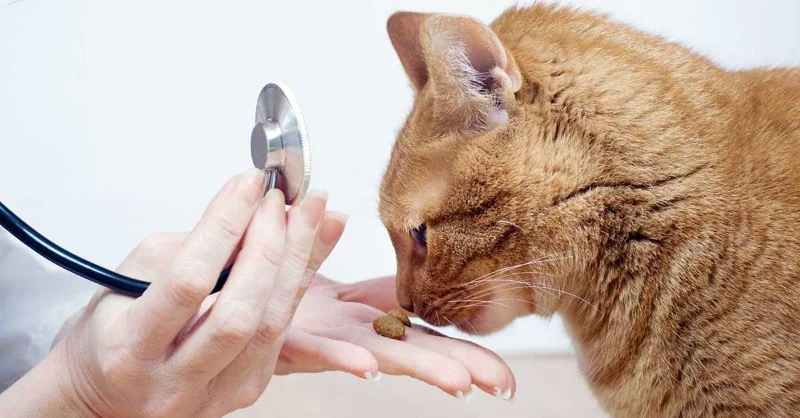
Dealing with Anxiety and Stress in Pets: Vet Advice
- 1- Understanding Pet Anxiety and Stress
- 2- Common Causes of Anxiety and Stress in Pets
- 3- Signs and Symptoms of Anxiety and Stress
- 4- How to Help Your Pet Cope with Stress
- 5- When to Seek Professional Help
As a pet owner, it’s important to understand that anxiety and stress in pets are not uncommon. Much like humans, animals can experience anxiety due to various factors, and in some cases, it can significantly impact their health and well-being. Whether it’s separation anxiety, fear of loud noises, or stress from changes in their environment, pets may need your help in managing these emotions. In this article, we’ll explore how to identify stress in pets, the common causes, and how to help your furry friend cope.

1- Common Causes of Anxiety and Stress in Pets
Pets can become stressed for a variety of reasons. Understanding these causes is the first step in managing their stress. Some common causes include:
- Separation Anxiety: Pets, especially dogs, can experience anxiety when left alone or separated from their owners.
- Changes in Environment: Moving to a new home or changes in the household (e.g., new pets, new people) can cause stress for pets.
- Loud Noises: Thunderstorms, fireworks, and other loud noises can be frightening for pets.
- Health Issues: Pain, discomfort, or illness can cause anxiety in pets. Chronic conditions like arthritis or dental issues can trigger stress responses.
- Changes in Routine: Pets are creatures of habit, and disruptions to their routine, such as changes in feeding times or exercise schedules, can lead to stress.
2- Signs and Symptoms of Anxiety and Stress
Recognizing the signs of anxiety and stress in pets is essential to providing timely care. While each pet may show different symptoms, here are some common signs to look out for:
- Excessive Barking or Meowing: Vocalization can be a sign of distress in dogs and cats.
- Destructive Behavior: Chewing on furniture, scratching, or tearing up household items may indicate stress or anxiety.
- Excessive Grooming: Cats and dogs may groom themselves excessively when stressed, leading to hair loss or skin issues.
- Changes in Eating or Sleeping Patterns: Stress can cause pets to lose their appetite or sleep more than usual.
- Aggression or Fear: Some pets may exhibit fear or aggression when stressed, especially in situations that are unfamiliar to them.
3- How to Help Your Pet Cope with Stress
There are several strategies you can use to help your pet manage stress and anxiety:
- Provide a Safe Space: Create a calm and quiet environment for your pet. This could be a designated bed or crate where they feel secure.
- Exercise and Play: Physical activity can help reduce stress and anxiety in pets. Regular walks, playtime, and mental stimulation are essential.
- Positive Reinforcement: Reward your pet for calm behavior to reinforce positive actions and reduce anxiety.
- Calming Products: There are several products designed to help pets feel more relaxed, such as calming collars, pheromone diffusers, and anxiety wraps.
- Establish a Routine: Keeping a consistent routine with feeding, exercise, and playtime can help reduce stress by providing a sense of predictability and security for your pet.
4- When to Seek Professional Help
In some cases, pet anxiety may require professional intervention. If your pet’s stress or anxiety is severe or persistent, consider consulting a veterinarian or a pet behaviorist. Signs that you should seek professional help include:
- Extreme fear or aggression that interferes with daily life.
- Uncontrollable behaviors, such as constant destruction or incessant barking/meowing.
- Inability to manage the stress even with at-home interventions.
- Health issues that may be contributing to their anxiety, requiring medical treatment.
Veterinarians can offer behavioral therapy or prescribe medications to help alleviate anxiety in your pet. Consulting a professional will ensure that your pet’s stress is managed in the most effective way possible.
For more tips, calming products, and professional recommendations for managing your pet’s stress, visit RegPets, your trusted resource for pet care in the UK.




 Gone Barking5.0 (7 reviews)
 Peejay Pet Superstore Ltd4.0 (1173 reviews)
 Sheerbliss Cattery5.0 (19 reviews)
 Calcaria Veterinary Practice4.0 (90 reviews)
 Crookedstone Cattery0.0 (0 reviews)
 Apisto Aquatics5.0 (25 reviews)
 Top 10 Behaviour Training Every Reptile Owner in the UK Should Know
 Common Vaccination Myths Debunked by UK Vets
 How to Handle Emergency Situations with Your Pet | Pet Safety Tips
 Complete Guide to Nutrition Tips for Hamsters: What Your Pet Needs to Stay Healthy
 Dealing with Anxiety and Stress in Pets: Vet Advice for UK Pet Owners
 Top 10 Behaviour Training Every Guinea Pig Owner in the UK Should Know