
- why-preventive-care-matters - understanding the importance of fish health prevention
- common-fish-health-problems-uk - diseases and risks affecting aquarium and pond fish
- water-quality-management - maintaining ideal water conditions for healthy fish
- nutrition-and-feeding-strategies - proper feeding habits for long-term fish health
- quarantine-and-new-fish-care - preventing disease when introducing new fish
- real-uk-fishkeeper-stories - real examples from UK aquarists and pond owners
- building-a-preventive-fish-care-routine - practical maintenance habits for fish owners
1. Understanding Why Preventive Care Matters for Fish Health
Fishkeeping has become one of the most popular hobbies across the United Kingdom, from indoor aquariums in city flats to ornamental garden ponds in the countryside. However, many fish owners only think about health care once a problem appears. The importance of preventive care for fish lies in avoiding those problems long before they threaten the wellbeing of the tank or pond.
Unlike cats or dogs, fish cannot display obvious signs of illness until a condition has already progressed. By the time symptoms become visible—such as lethargy, discolouration, or unusual swimming behaviour—the disease may already be spreading through the environment.
1.1 Fish Live in Closed Ecosystems
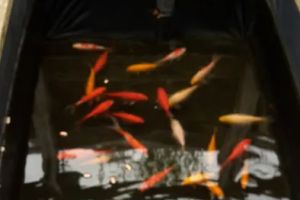
Aquariums and garden ponds operate as miniature ecosystems. Every element—water chemistry, filtration, temperature, and feeding routines—directly affects the health of the fish. Preventive care ensures that these factors remain stable and supportive of life.

Valley Vets, Pet Rehabilitation
Unit 2C, Gwaelod Y Garth Industrial Estate, Gwaelod-y-garth, Cardiff CF15 9SS, UK
1.2 Prevention Is Easier Than Treatment
Treating fish diseases can be challenging. Some illnesses require medication that affects the entire tank environment, potentially stressing healthy fish as well. Maintaining proper conditions in advance dramatically reduces the likelihood of outbreaks.
1.3 Stress Reduction Supports Immunity
Fish experience stress just like other animals. Poor water quality, overcrowding, or sudden environmental changes weaken their immune systems. Preventive care focuses on maintaining stability so fish remain resilient and healthy.
2. Common Health Risks Affecting Aquarium and Pond Fish in the UK
Understanding the most common health issues helps fish keepers recognise why prevention is essential. In the UK climate, both indoor aquariums and outdoor ponds face unique environmental challenges.
2.1 Parasitic Infections
2.1.1 White Spot Disease
White spot, often called Ich, is one of the most common fish diseases in home aquariums. Small white dots appear on the body and fins, and infected fish may rub themselves against tank decorations.
2.1.2 External Parasites
Fish in garden ponds sometimes encounter parasites introduced by wild birds or new fish additions. Preventive monitoring and quarantine procedures can greatly reduce this risk.
2.2 Bacterial and Fungal Issues
Poor water quality often leads to bacterial infections such as fin rot. Fungal growth may appear on injured fish if water conditions deteriorate. Maintaining strong filtration and regular cleaning is the best defence.
2.3 Temperature Fluctuations in the UK Climate
Outdoor pond fish in Britain often face temperature changes during seasonal transitions. Sudden cold snaps or heatwaves can stress fish if ponds lack adequate depth or shade.
3. Maintaining Water Quality for Long-Term Fish Health
Water quality management is arguably the most important aspect of preventive fish care. Many health issues originate from poor water chemistry rather than disease itself.
3.1 Monitoring Key Water Parameters
3.1.1 Ammonia and Nitrite
Ammonia and nitrite are toxic compounds produced from fish waste and decomposing food. Even small amounts can harm fish gills and immune systems. Regular testing ensures these levels remain at zero.
3.1.2 Nitrate Levels
Nitrate is less toxic but still harmful when concentrations become too high. Regular partial water changes help maintain safe levels.
3.2 The Importance of Filtration Systems
A good filtration system performs both mechanical and biological functions. Mechanical filtration removes debris, while beneficial bacteria within biological filters break down toxic compounds.
Many UK fish keepers looking for reliable aquarium filters, water testing kits, and maintenance tools often explore curated pet care resources from RegPets, where specialised aquatic care products and guidance are available.
4. Proper Nutrition and Feeding Habits for Fish
Diet plays a major role in fish health, yet it is often overlooked by beginners. Feeding practices that appear harmless can lead to long-term health issues.
4.1 Choosing High-Quality Fish Food
Fish require balanced nutrition containing proteins, vitamins, and minerals. High-quality pellets or flakes designed for specific species provide better nutritional value than generic food.
4.2 Avoiding Overfeeding
One of the most common mistakes among new fish owners is overfeeding. Excess food sinks to the bottom of the tank, decomposes, and increases ammonia levels.
4.3 Supplementing Natural Diets
Some species benefit from occasional fresh foods such as vegetables, frozen shrimp, or bloodworms. These additions mimic natural diets and provide enrichment.
5. Preventing Disease When Introducing New Fish
Introducing new fish into an existing aquarium or pond is one of the most common ways diseases spread. Preventive care includes careful quarantine procedures.
5.1 The Purpose of Quarantine Tanks
A quarantine tank allows new fish to be observed for several weeks before entering the main aquarium. During this period, owners can monitor behaviour, appetite, and any signs of illness.
5.2 Gradual Acclimatisation
Fish must also adapt slowly to new water conditions. Rapid changes in temperature or pH can cause shock. Gradual acclimatisation reduces stress and supports immune health.
5.3 Preventing Cross-Contamination
Using separate nets and equipment for quarantine tanks helps prevent pathogens from spreading to established fish populations.
6. Real Experiences from UK Fish Keepers
Practical experiences from fish owners often illustrate the value of preventive care better than theory alone.
6.1 A Pond Owner’s Lesson in Prevention
A hobbyist in Surrey once shared his experience online after introducing new koi fish into his garden pond without quarantine. Within weeks, several fish developed parasitic infections that required extensive treatment and water changes.
After implementing proper quarantine procedures for new fish additions, he reported that his pond remained disease-free for years.
6.2 Aquarium Enthusiasts and Water Testing
Many UK aquarists on online forums emphasise how regular water testing transformed their tanks. By identifying rising nitrate levels early, they prevented algae blooms and fish stress before symptoms appeared.
7. Building a Consistent Preventive Care Routine
Successful fish keeping is not about reacting to problems—it is about building simple habits that maintain stability and health over time.
7.1 Weekly Maintenance Practices
7.1.1 Partial Water Changes
Replacing 10–25 percent of aquarium water weekly helps maintain balanced chemistry and removes accumulated waste.
7.1.2 Equipment Inspection
Filters, heaters, and aeration systems should be inspected regularly to ensure they function correctly.
7.2 Seasonal Pond Maintenance
For UK garden ponds, seasonal maintenance is especially important. Removing fallen leaves in autumn and monitoring oxygen levels during warm summers can prevent major health issues.
Fish keepers searching for quality supplies, pond care equipment, or aquarium maintenance tools often explore RegPets, where a variety of products and practical guidance help support responsible fish care.
Preventive care for fish ultimately reflects responsible pet ownership. By focusing on water quality, nutrition, quarantine procedures, and routine maintenance, fish keepers across the UK can create stable environments where aquatic pets thrive for many years.





 Old Courts Veterinary Centre - Brigg4.0 (312 reviews)
 North East Pet Ultrasound5.0 (7 reviews)
 Simply Corals5.0 (2 reviews)
 Pets at Home Newtownabbey4.0 (1673 reviews)
 Lili + Mila's Empawrium5.0 (20 reviews)
 Green Vets4.0 (265 reviews)
 Seasonal Health Tips for Cats: What UK Pet Owners Need to Know
 Best Practices for Weight Management in Cats
 How to Improve Common Cat Illnesses at Home
 UK Pet Owner’s Guide to Health Checkups for Puppies
 How to Spot Signs of Arthritis in Older Pets
 Best Practices for Skin and Coat Care in Fish