
- understanding-the-signs-of-pet-anxiety-and-stress
- common-triggers-of-stress-and-anxiety-in-pets
- vet-recommended-ways-to-help-calm-an-anxious-pet
- natural-and-medical-treatments-for-pet-anxiety
- real-experiences-pet-owners-handling-anxiety-in-the-uk
- how-regpets-can-support-your-anxious-pet
1. Understanding the Signs of Pet Anxiety and Stress
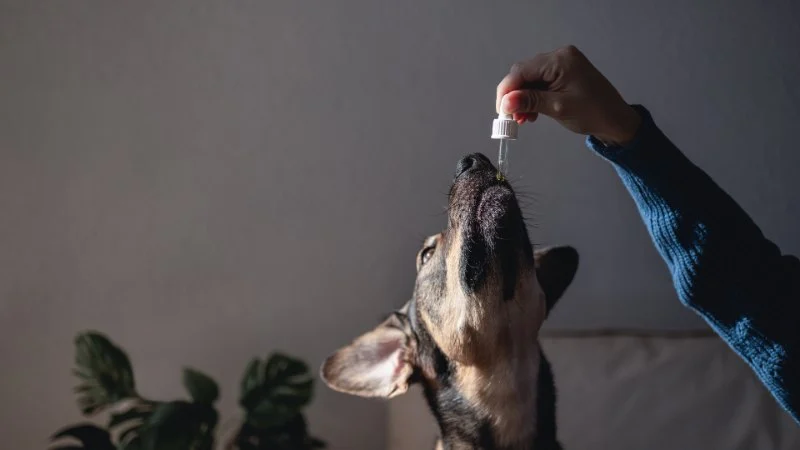
Just like humans, pets can suffer from stress and anxiety. But because they can’t communicate verbally, recognising the signs becomes crucial for any responsible pet owner. Dogs may pace, whine, shake, or become destructive, while cats often hide, overgroom, or refuse food. You might even notice subtle behaviours, like licking lips or yawning, which in veterinary medicine are considered signs of discomfort or distress.
The key is to pay attention to changes in your pet’s usual routine. If your typically sociable Labrador suddenly withdraws, or your cat begins eliminating outside the litter tray, it’s time to consider anxiety as a possible cause.
Danielle Hanna Veterinary Physiotherapy
Lisburn and CastlereaghNorthern Ireland
119 Dromara Rd, Hillsborough BT26 6PE, UK
2. Common Triggers of Stress and Anxiety in Pets
2.1 Changes in Routine or Environment
Moving house, going on holiday, or even rearranging the furniture can unsettle your pet. Many UK households saw an uptick in pet anxiety post-pandemic, when routines drastically changed and owners began returning to the office.
2.2 Noise Phobias and Seasonal Stressors
Fireworks around Bonfire Night or thunderstorms can send pets into a panic. Dogs with noise sensitivities often benefit from calming environments and soundproofing techniques during these times.
2.3 Separation Anxiety and Lack of Stimulation
Being left alone for extended periods, especially in high-energy breeds or intelligent cats, can cause behavioural issues. Boredom and loneliness are often underlying contributors to anxiety. Ensuring your pet is mentally stimulated with puzzles and toys is essential.
3. Vet-Recommended Ways to Help Calm an Anxious Pet
3.1 Creating a Safe Space
Veterinary professionals often advise creating a quiet, secure spot where your pet can retreat. This could be a specific room or even a covered crate with familiar blankets and toys.
3.2 Consistent Daily Routine
Pets thrive on routine. Feeding, walks, playtime, and bedtime should happen at roughly the same time each day. Predictability gives anxious pets a greater sense of security.
3.3 Positive Reinforcement and Training
Behavioural therapy and desensitisation training work wonders, especially when reinforced with treats and praise. For instance, if your dog fears the hoover, introducing it gradually with rewards can reduce panic over time.
4. Natural and Medical Treatments for Pet Anxiety
4.1 Herbal Remedies and Supplements
Products containing chamomile, valerian root, or L-tryptophan can help soothe mild anxiety. Pheromone diffusers, such as Feliway for cats or Adaptil for dogs, mimic natural calming scents and have been praised by many UK vets.
4.2 Prescription Medication
For more severe cases, a vet might recommend anti-anxiety medications such as fluoxetine or trazodone. These are always prescribed based on a detailed consultation and should be part of a holistic treatment plan including behaviour modification.
4.3 Pet Wearables and Anxiety Wraps
Some dogs respond well to anxiety wraps or pressure vests like the ThunderShirt, which apply gentle pressure to calm the nervous system—similar to swaddling a baby.
5. Real Experiences: Pet Owners Handling Anxiety in the UK
5.1 A Rescue Dog's Journey to Confidence
Anna from Manchester adopted a two-year-old Collie cross named Max who was terrified of cars and strangers. With help from her vet and a local trainer, Max slowly improved using counter-conditioning techniques. “It took patience, but watching him learn to trust again has been so rewarding,” she says.
5.2 Coping with Fireworks Night in London
James in Camden swears by his combination of calming music and herbal chews from RegPets. “Bonfire Night used to be chaos. Now my cat Luna just naps through it with her diffuser on and her calming treats,” he explains.
6. How RegPets Can Support Your Anxious Pet
At RegPets, we understand that dealing with anxiety and stress in pets isn’t one-size-fits-all. That’s why we offer a curated selection of vet-approved calming products, enrichment toys, and supportive gear designed to reduce stress and enhance wellbeing.
Whether you're looking for a new anxiety wrap, soothing supplements, or training essentials, our range is tailored with UK pet owners in mind. Don’t wait for your pet’s anxiety to escalate—explore the tools and treatments that can bring peace of mind to both you and your furry companion.




 Pets at Home Harrogate4.0 (922 reviews)
 C J Mason Veterinary Surgery4.0 (1053 reviews)
 Omega Pets ltd4.0 (31 reviews)
 JP's Pet Supplies4.0 (115 reviews)
 Barkers4.0 (11 reviews)
 Springfield Veterinary Group - Wickersley4.0 (42 reviews)
 Emergency Vet Advice for Dogs in the UK – Essential for Pet Health
 The Importance of Microchipping Your Pet in the UK: What Every Owner Must Know
 Top 10 Signs Your Pet Needs to See a Vet Immediately – RegPets
 Pet Dental Care: Why Regular Vet Visits Matter in the UK
 How Often Should You Take Your Pet for a Health Checkup? | UK Pet Care Guide
 UK Pet Owner’s Guide to Spaying and Neutering for Fish – Expert Advice