
Vet-Approved Skin and Coat Care for Kittens
- 1. Understanding the Importance of Skin and Coat Care for Kittens
- 2. Common Skin and Coat Issues in Kittens
- 3. Vet-Approved Skincare Products for Kittens
- 4. Tips for Maintaining Your Kitten's Skin and Coat
- 5. When to See a Vet for Skin and Coat Issues
Caring for your kitten’s skin and coat is essential for their overall health and well-being. Not only does a healthy coat look great, but it also indicates good internal health. In this guide, we’ll explore the importance of skin and coat care for kittens, common issues they may face, and vet-approved products that can help keep them in tip-top shape.

Church Walk Veterinary Centre - Ulverston
Westmorland and FurnessEngland
St Mary's Place, Ulverston LA12 7EN, UK
1. Understanding the Importance of Skin and Coat Care for Kittens
The skin is the largest organ of the body, and a kitten’s coat is a direct reflection of their overall health. Regular care can help prevent many common issues, such as dry skin, fur loss, and parasitic infections. A healthy coat protects your kitten from environmental factors, helps regulate body temperature, and can also prevent infections.
By paying attention to your kitten’s skin and coat, you are not only ensuring they look their best but also promoting their overall comfort and health. Regular grooming and proper care can also help foster a closer bond with your furry friend.

2. Common Skin and Coat Issues in Kittens
Kittens are prone to several skin and coat issues, many of which can be managed or prevented with proper care. Some common problems include:
- Fleas and Ticks: These external parasites can irritate the skin and cause discomfort. Left untreated, they may lead to infections or anemia.
- Dry Skin: Dry or flaky skin can be caused by a variety of factors, including poor diet, dehydration, or environmental factors such as low humidity.
- Ringworm: This fungal infection can cause hair loss, red patches, and irritation on the skin. It’s highly contagious, so prompt treatment is essential.
- Allergies: Kittens can develop allergies to certain foods, environmental factors, or products, leading to itching, redness, and discomfort.
- Excessive Shedding: While shedding is natural, excessive shedding can be a sign of stress, poor diet, or underlying health issues.
3. Vet-Approved Skincare Products for Kittens
Using the right skincare products for kittens is essential for maintaining a healthy coat and skin. Always opt for products that are specifically formulated for kittens and are approved by veterinarians. Some products to consider include:
- Flea and Tick Treatments: There are many vet-approved flea and tick treatments available, including topical treatments and oral medications. Make sure to choose one that is safe for kittens and follow the recommended dosage.
- Shampoos and Conditioners: Look for gentle, kitten-safe shampoos and conditioners that help to soothe dry skin and maintain a healthy coat. Avoid using human shampoos, as they can be too harsh for a kitten’s delicate skin.
- Skin Moisturizers: If your kitten has dry or flaky skin, use a moisturizing product recommended by your vet to help restore moisture and alleviate discomfort.
- Allergy Relief Sprays: If your kitten has allergies, consult your vet about safe allergy relief sprays or ointments that can help relieve symptoms like itching and redness.
4. Tips for Maintaining Your Kitten's Skin and Coat
Maintaining your kitten’s skin and coat involves more than just applying topical products. It also requires a proactive approach to care. Here are a few tips to keep your kitten’s skin and coat in top condition:
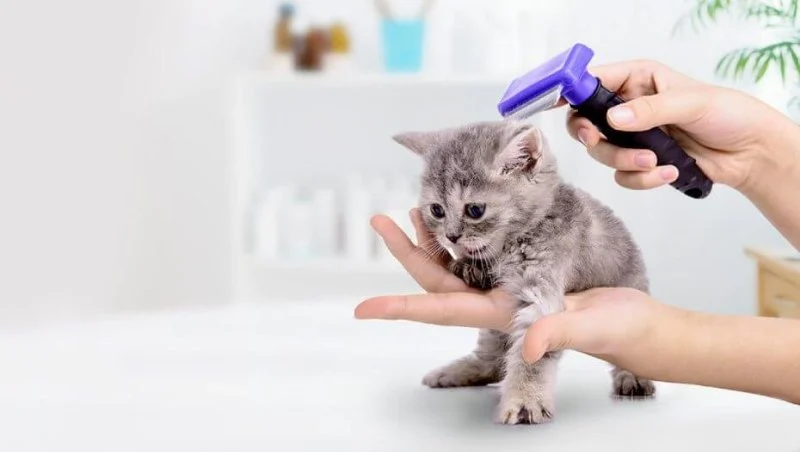
- Regular Grooming: Brush your kitten’s coat regularly to prevent tangles and remove loose fur. This will also help distribute natural oils, keeping their coat shiny and healthy.
- Proper Nutrition: A balanced diet rich in essential fatty acids (like omega-3 and omega-6) supports healthy skin and a shiny coat. Consult your vet for the best food options for your kitten.
- Hydration: Ensure your kitten always has access to fresh water. Dehydration can lead to dry skin, so it's important to keep them hydrated.
- Environment: Avoid placing your kitten in overly dry or harsh environments. A humidifier can help maintain moisture in the air, especially during the winter months.
5. When to See a Vet for Skin and Coat Issues
While many common skin issues can be treated at home with vet-approved products, some cases may require professional intervention. Seek veterinary help if:
- Your kitten has persistent or severe skin irritation, hair loss, or scabbing.
- There are signs of infection, such as swelling, pus, or a foul odor.
- Your kitten is excessively scratching or biting their skin, leading to sores or infections.
- You suspect a more serious underlying condition, such as ringworm, mange, or a food allergy.
Early intervention is key to addressing skin and coat issues before they escalate into more serious problems.
By taking proper care of your kitten’s skin and coat, you’re not only enhancing their appearance but also ensuring their health and comfort. For more expert-approved skincare products and advice, visit RegPets for the best products for your kitten’s health.





 Grange Veterinary Surgery4.0 (206 reviews)
 Sunderland PDSA Pet Hospital4.0 (1052 reviews)
 Pet City4.0 (1160 reviews)
 Medivet Ramsbottom4.0 (388 reviews)
 Catnaps4.0 (30 reviews)
 Cavehill Veterinary Clinic4.0 (237 reviews)
 Top 10 Signs Your Pet Needs to See a Vet Immediately – RegPets
 Complete Guide to Parasite Prevention for Hamsters
 Flea and Tick Prevention for Pets in the UK: Essential Guide
 What to Expect During Your Pet’s First Vet Visit: A Complete Guide
 The Importance of Spaying and Neutering for Guinea Pigs in the UK
 Common Health Issues in UK Pets and How to Prevent Them | Pet Health Guide